Kyoto Travel Guide
About Kyoto
Explore the map of Kyoto

Kyoto Tower
• Offers a lot of entertainment inside.
• Enjoy the panoramic view from Kyoto Tower's observatory deck.
• Get a new angle on sightseeing famous sights such as Kiyomizu-dera Temple, Toji Temple and so on.
Standing tall in front of Kyoto Station, Kyoto Tower is one of the landmarks of Kyoto, remembered by almost every visitor to the city. The tower itself is designed in the shape of a candle, while the observatory deck provides a great place to look out over the streets of Kyoto and enjoy panoramic views of the surrounding shrines, temples, and Higashiyama mountains. In addition to the observatory, a restaurant, hot spring, and hotel can be found inside the tower.
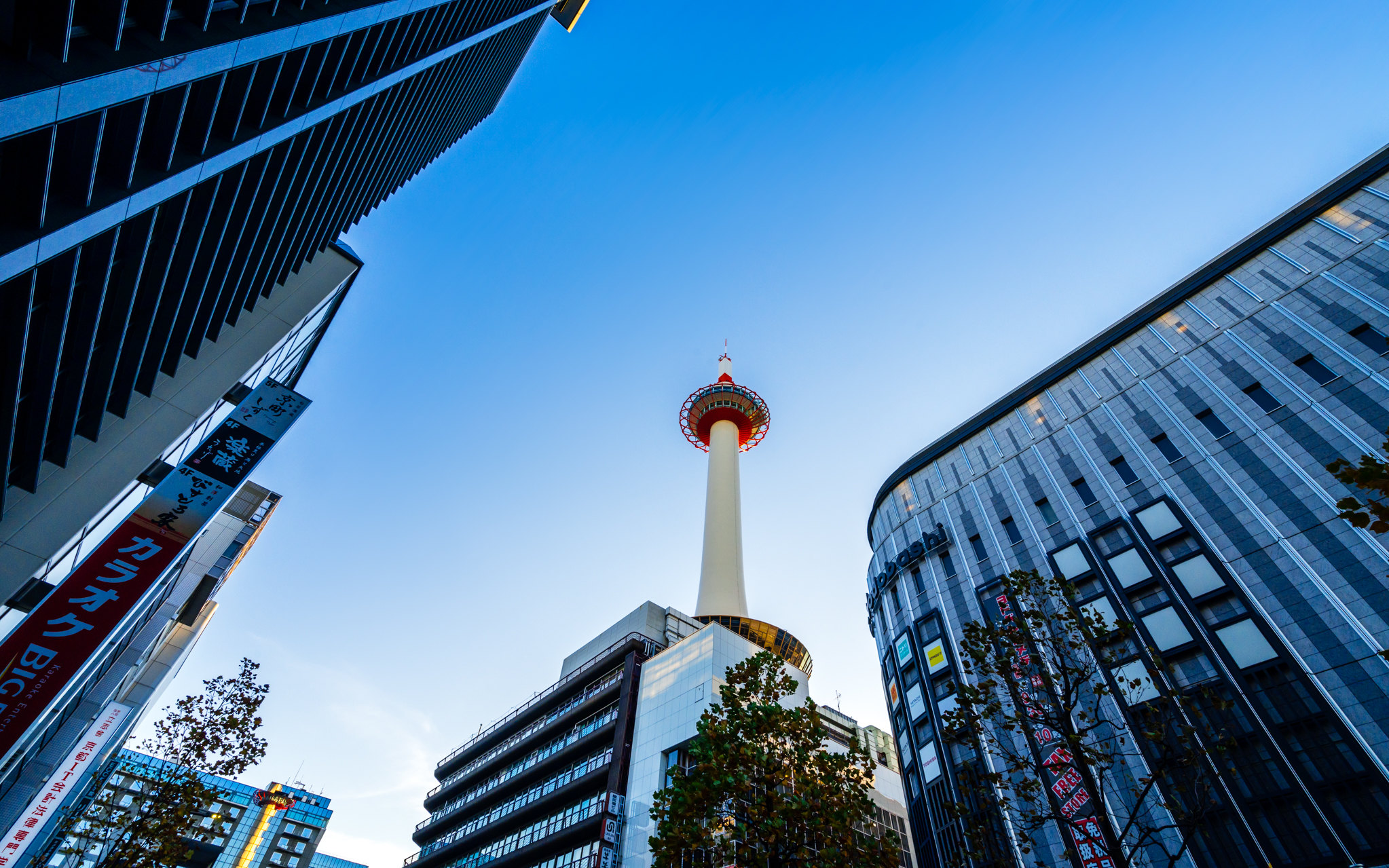
△ The elegant white and slim structure of Kyoto Tower was built with the motif of a lighthouse.
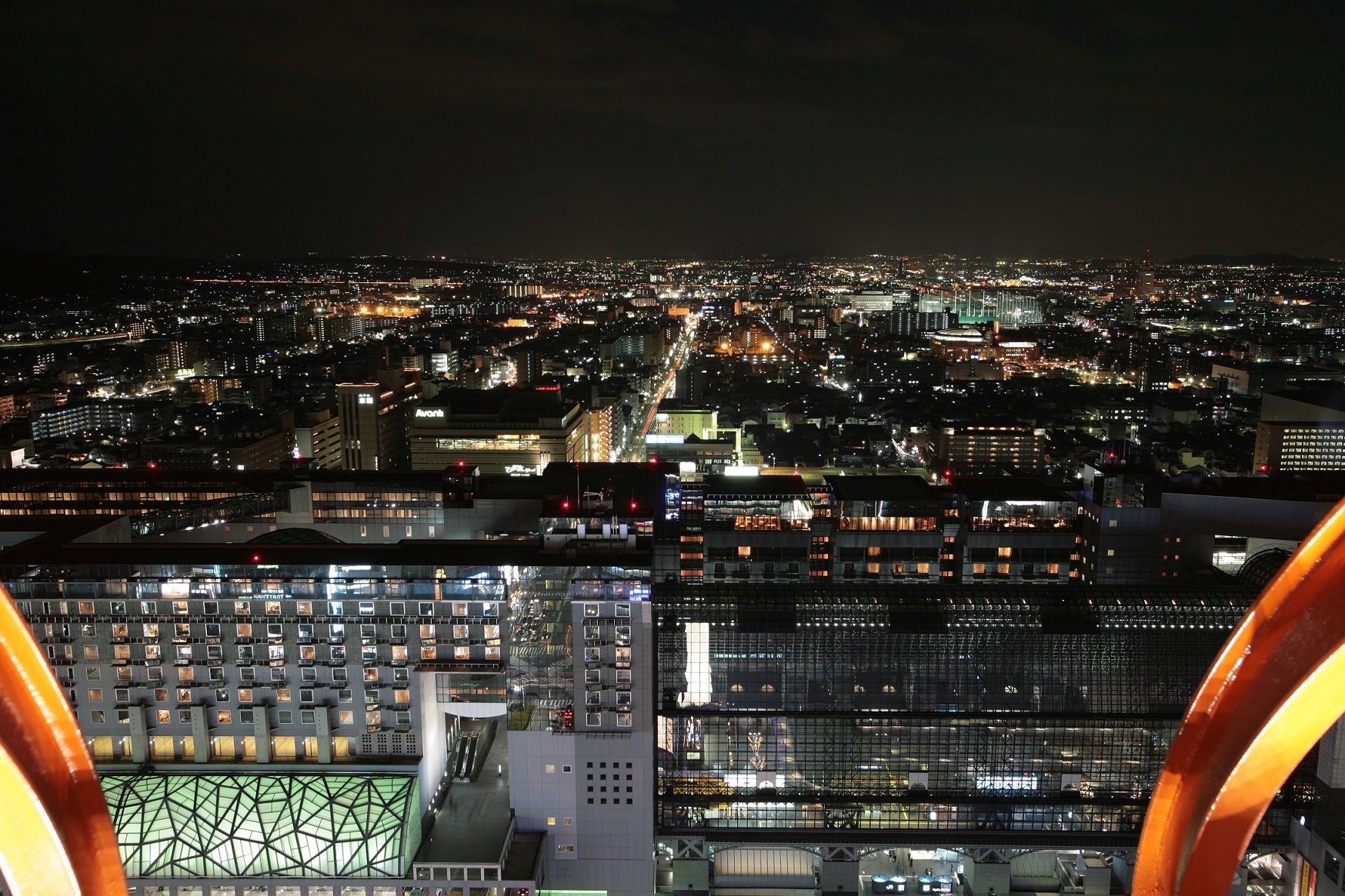
△ A glance at the night view of Kyoto
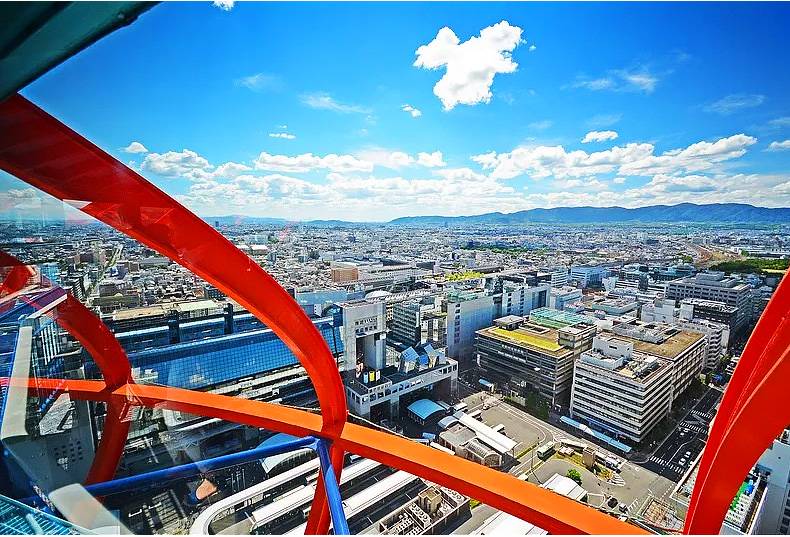
△ The 100-meter observation deck is the highest in the city of Kyoto and provides picturesque panoramic views of the former capital.

Kyoto Festivals & Events
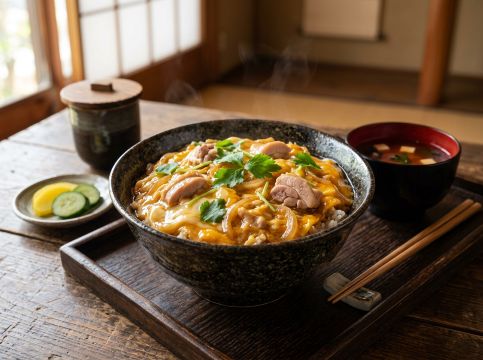
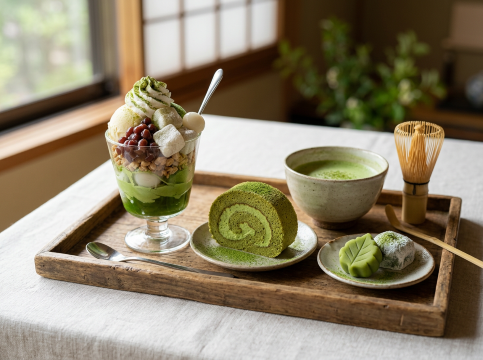
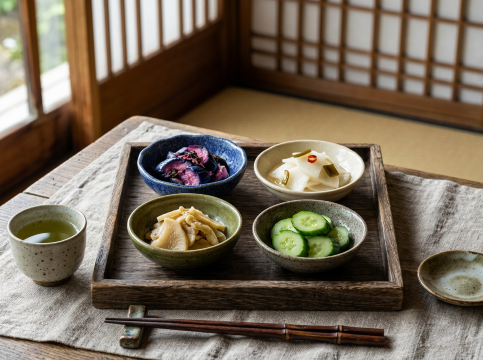
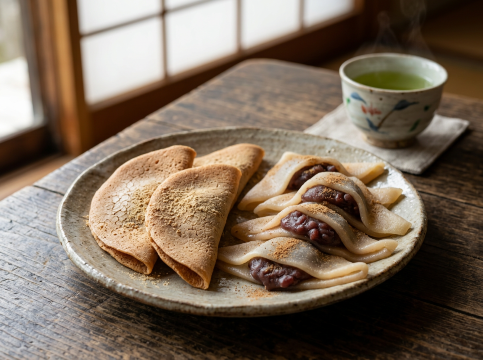
Taste the City
Plan Your Trip
City Transport Guide
Airport Access
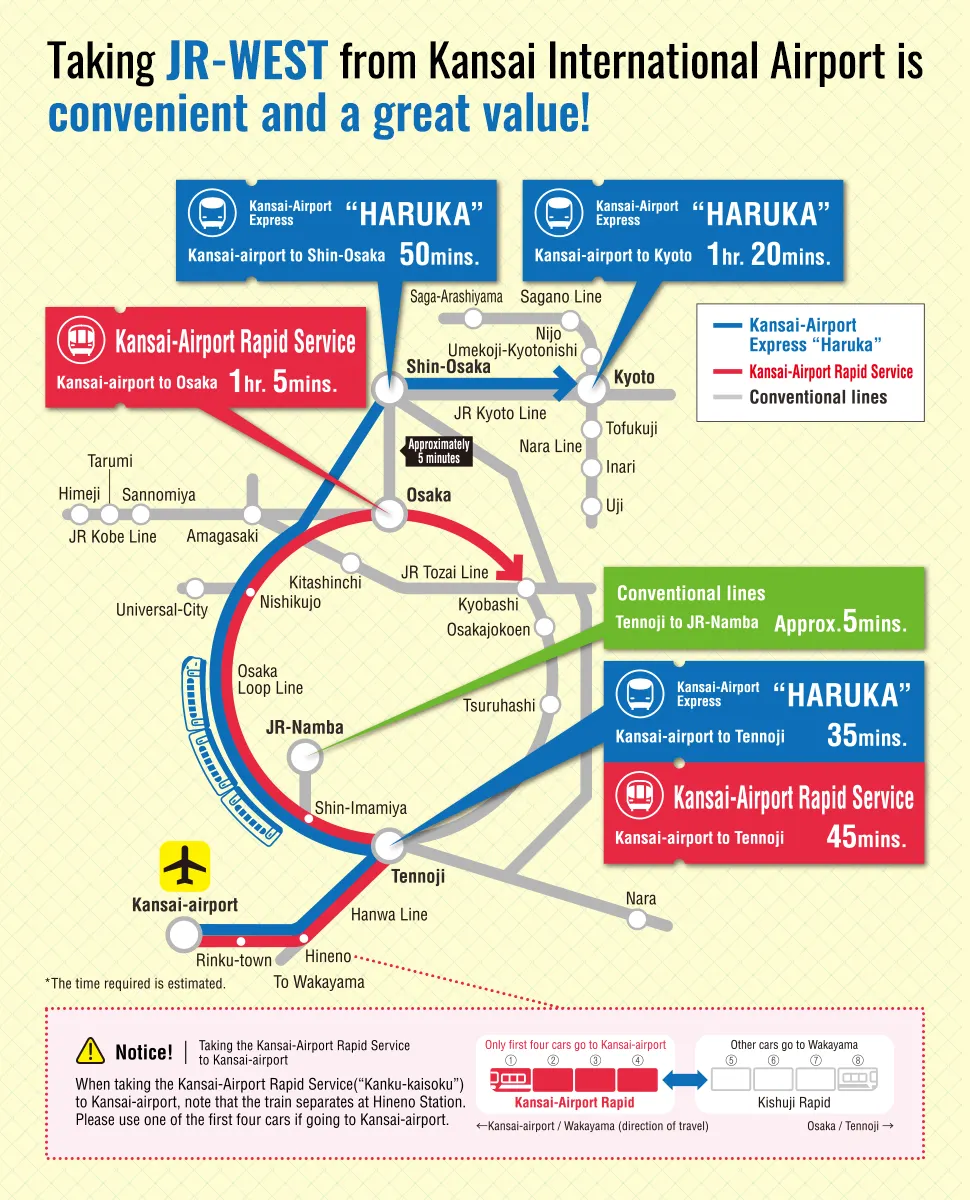
Explore morePlan your journey from Kansai or Itami Airport to Kyoto. Compare all transport options including the Haruka Express, airport buses, and JR trains to find the best route for your trip
JR Lines
Explore moreMaster Osaka's JR network to travel efficiently between Kyoto, Osaka, Nara, and Kobe. This guide covers JR lines, passes, station maps, and money-saving tips for the Kansai region
Haruka Express
Explore moreThe Haruka Express is the fastest direct train from Kansai Airport to Kyoto Station. Learn about schedules, fares, discount tickets, and how to make the most of this convenient limited express service
Nara Transport
Explore moreDiscover the best ways to get around Nara and travel between Kyoto, Osaka, and Nara. This guide covers trains, buses, and walking routes to help you explore the ancient capital's temples and friendly deer
Pro Tips
- Use buses, not trains. The subway is limited. Buses reach most temples and shrines.
- Buy a one day bus pass. It costs 700 yen and pays for itself after three rides.
- Get an ICOCA or Suica card. Tap on and off buses. No need to carry coins.
- Board from the back door and exit at the front. Pay when you get off. Don't leave until the bus stops completely.
Metro Map
Recommended Stays
 1
$96
1
$96
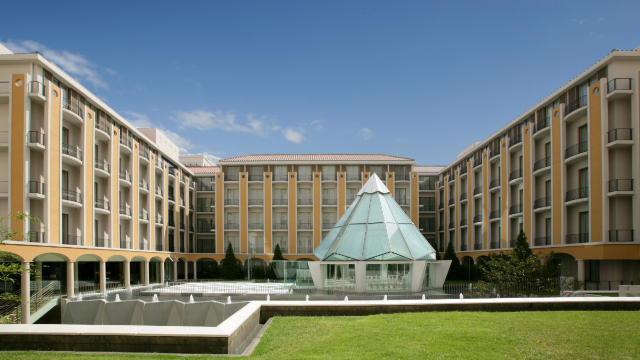
Make use of convenient amenities such as complimentary wireless Internet access, concierge services, and gift shops/newsstands. Additional amenities at this hotel include a hair salon, a vending machine, and bike parking.
Stop by the hotel's restaurant, Restaurant LE PLAISIR, for lunch or dinner. Dining is also available at the coffee shop/cafe, and room service is provided. Quench your thirst with your favorite drink at the bar/lounge. Continental breakfasts are available daily from 7 AM to 10 AM for a fee.
Featured amenities include complimentary wired Internet access, dry cleaning/laundry services, and a 24-hour front desk. Self parking (subject to charges) is available onsite.
Make yourself at home in one of the 986 air-conditioned rooms featuring refrigerators and LCD televisions. Complimentary wired and wireless Internet access keeps you connected, and digital programming provides entertainment. Private bathrooms with shower/tub combinations feature complimentary toiletries and bidets. Conveniences include phones.
We do not accept purchases made for resale purposes. In the event that a reservation was made for resale and there is a discrepancy in the reservation details, the responsibility lies with the website where the reservation was purchased. Due to the potential risk of mismatched reservation information or even fraud in some cases, changing the reservation name is generally not allowed.
 2
$73
2
$73
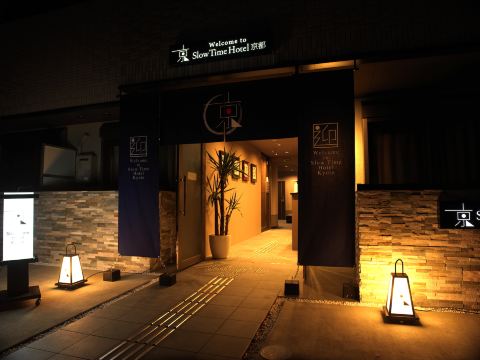
This hotel offers designated smoking areas.
Featured amenities include multilingual staff, an elevator, and microwave in a common area.
Make yourself at home in one of the 23 guestrooms featuring refrigerators and LCD televisions. Complimentary wireless internet access is available to keep you connected. Private bathrooms have bidets and hair dryers. Conveniences include safes and desks.
 3
$106
3
$106
 4
$63
4
$63
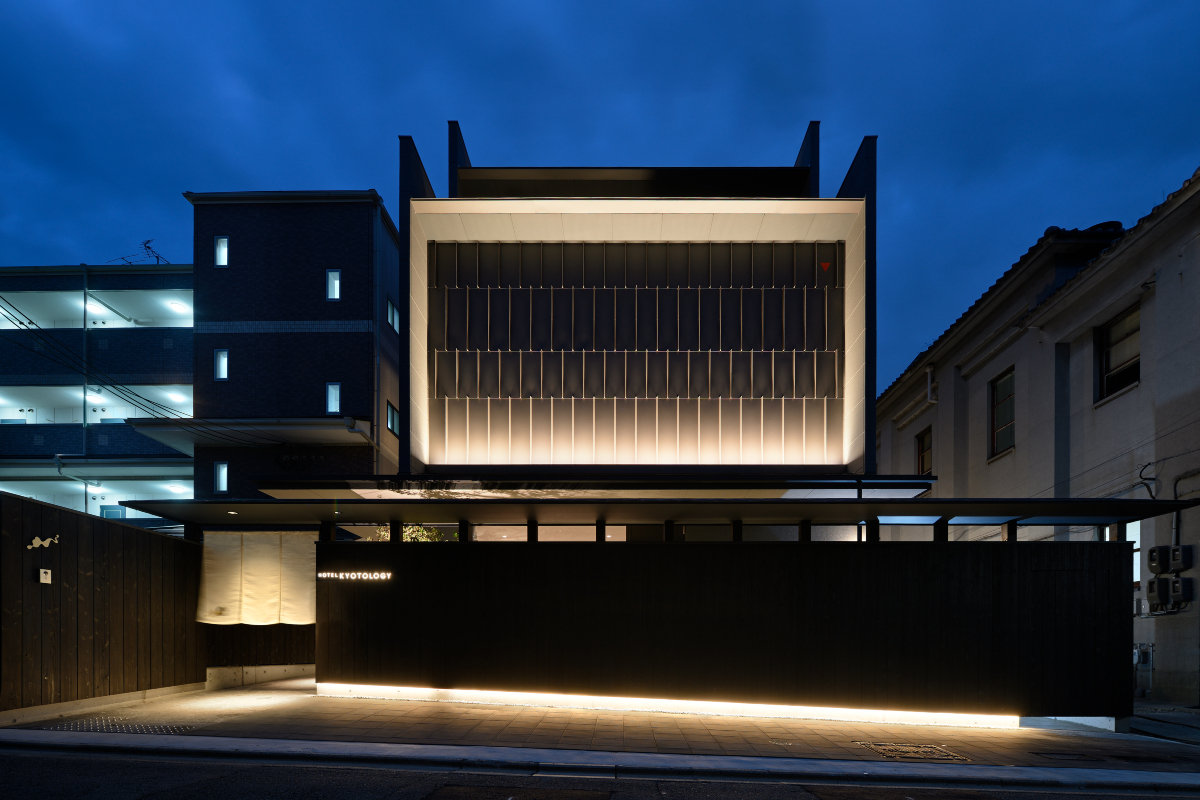
Lake Biwa is approximately 12.3 km away, and Nijō Castle is about 5.8 km from the hotel.
Guests can relax in a calm atmosphere with access to a terrace and garden.
Complimentary Wi-Fi is available throughout the property, along with a shared living room and vending machines.
Additional services include express check-in, luggage storage, and laundry facilities to ensure a comfortable stay.
Each of the 14 guest rooms is equipped with a refrigerator and an LCD television.
Complimentary Wi-Fi and digital TV programming are provided for your convenience.
Private bathrooms feature complimentary toiletries and hair dryers, and in-room amenities include a safe and an electric kettle.
Please note that quiet hours are observed from 10:00 PM to 8:00 AM. We appreciate your understanding.
 5
$126
5
$126
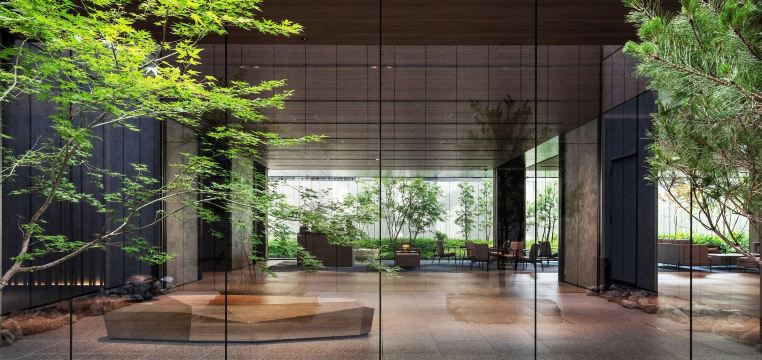
Take in the views from a garden and make use of amenities such as complimentary wireless internet access and a vending machine.
Self-serve breakfasts are available daily from 7:00 AM to 10:30 AM for a fee.
Featured amenities include dry cleaning/laundry services, a 24-hour front desk, and luggage storage.
Make yourself at home in one of the 184 air-conditioned rooms featuring flat-screen televisions. Complimentary wired and wireless internet access keeps you connected, and satellite programming provides entertainment. Private bathrooms with shower/tub combinations feature complimentary toiletries and bidets. Conveniences include phones, as well as safes and electric kettles.
 6
$60
6
$60
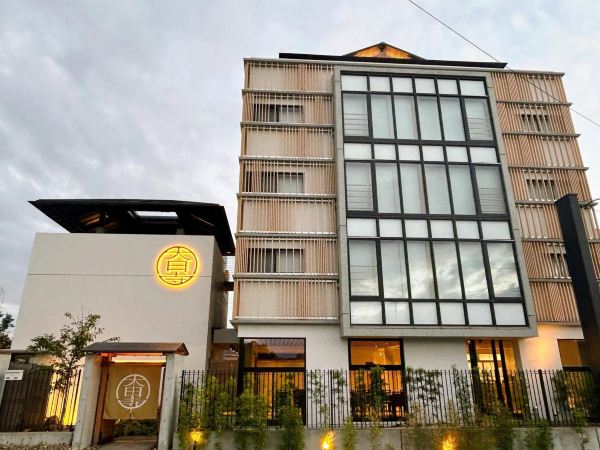
At Hotel Dainichi-ji Temple Kyoto Kisshoin, enjoy a satisfying meal at the restaurant.
Featured amenities include a 24-hour front desk and laundry facilities. A train station pick-up service is provided at no charge.
Make yourself at home in one of the 23 air-conditioned guestrooms. Complimentary wireless internet access is available to keep you connected.
 7
$161
7
$161
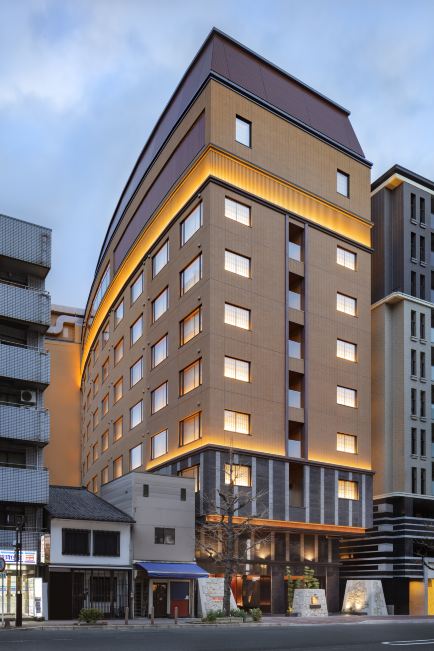
Make use of convenient amenities such as complimentary wireless Internet access, concierge services, and a vending machine.
Japanese breakfasts are available daily from 7:30 AM to 9:00 AM for a fee.
Featured amenities include a 24-hour front desk, a safe deposit box at the front desk, and an elevator.
Make yourself at home in one of the 102 air-conditioned guestrooms. Complimentary wireless Internet access is available to keep you connected. Private bathrooms have bidets and hair dryers. Conveniences include safes, and housekeeping is provided daily.
 8
$165
8
$165
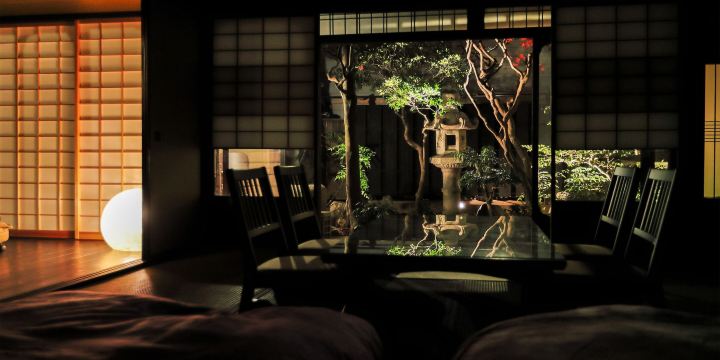
Take in the views from a garden and make use of amenities such as complimentary wireless internet access and shopping on site.
Satisfy your appetite at the guesthouse's coffee shop/cafe.
Featured amenities include luggage storage and laundry facilities.
Make yourself at home in one of the 3 guestrooms featuring refrigerators. Your bed comes with down comforters, and all rooms are furnished with sofa beds. Complimentary wireless internet access is available to keep you connected. Bathrooms have complimentary toiletries and bidets.
 9
$87
9
$87
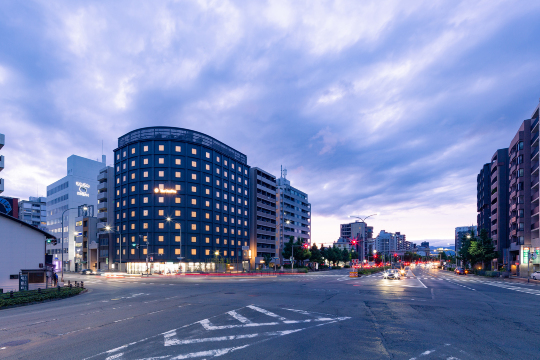
Make use of convenient amenities, which include complimentary wireless Internet access and a vending machine.
Featured amenities include express check-out, a 24-hour front desk, and multilingual staff.
Stay in one of 146 guestrooms featuring flat-screen televisions. Complimentary wireless Internet access keeps you connected. Private bathrooms with showers feature bidets and hair dryers. Conveniences include safes and desks, and housekeeping is provided on request.
 10
$83
10
$83
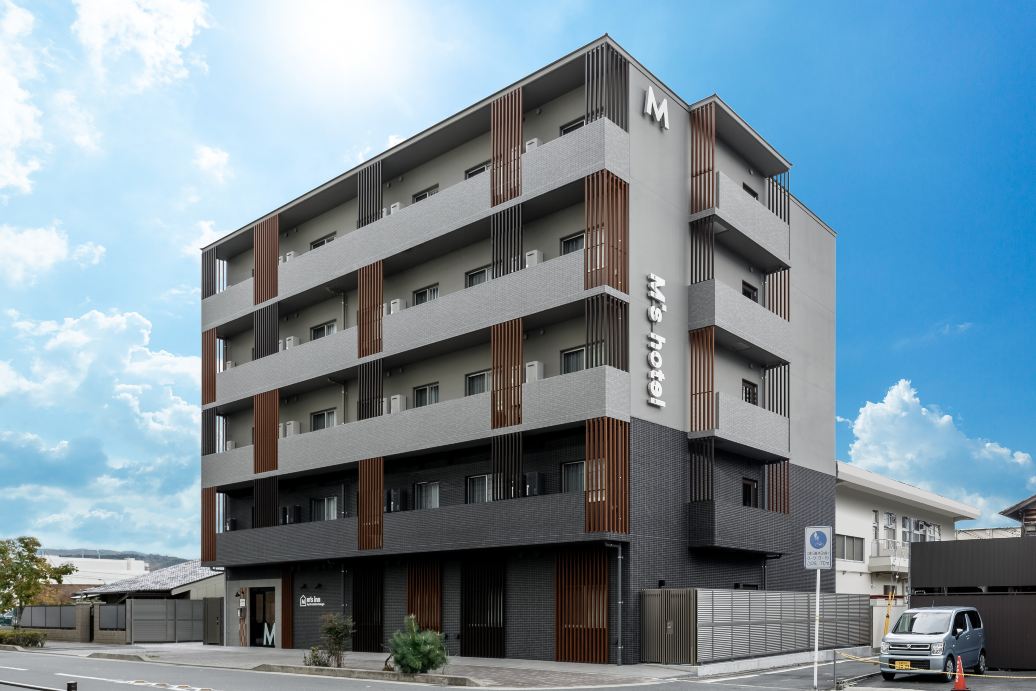
This hotel has 5 floors in 1 building and offers designated smoking areas.
Featured amenities include multilingual staff, laundry facilities, and an elevator.
Stay in one of 61 guestrooms featuring flat-screen televisions. Complimentary wireless internet access keeps you connected, and digital programming is available for your entertainment. Private bathrooms with shower/tub combinations feature complimentary toiletries and bidets. Conveniences include electric kettles and free tea bags/instant coffee, and you can also request irons/ironing boards.
 11
$75
11
$75
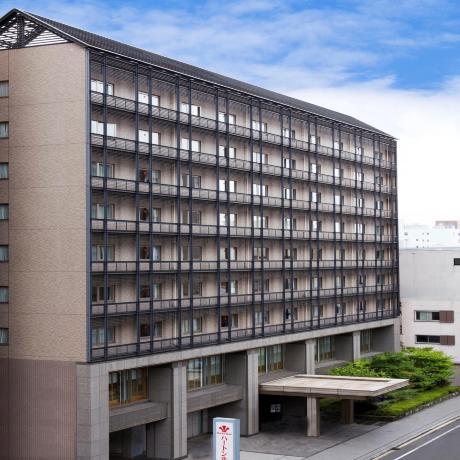
Make use of convenient amenities such as complimentary wireless internet access, concierge services, and gift shops/newsstands. This hotel also features a banquet hall and a vending machine.
Enjoy international cuisine at Patio, one of the hotel's many dining establishments, which include 2 restaurants and a coffee shop/cafe. Buffet breakfasts are available daily from 7 AM to 9:30 AM for a fee.
Featured amenities include dry cleaning/laundry services, a 24-hour front desk, and multilingual staff. Extended parking is available onsite.
Make yourself at home in one of the 294 air-conditioned rooms featuring refrigerators and flat-screen televisions. Complimentary wireless internet access keeps you connected, and satellite programming is available for your entertainment. Private bathrooms with shower/tub combinations feature complimentary toiletries and bidets. Conveniences include desks and electric kettles, and housekeeping is provided daily.
 12
$61
12
$61
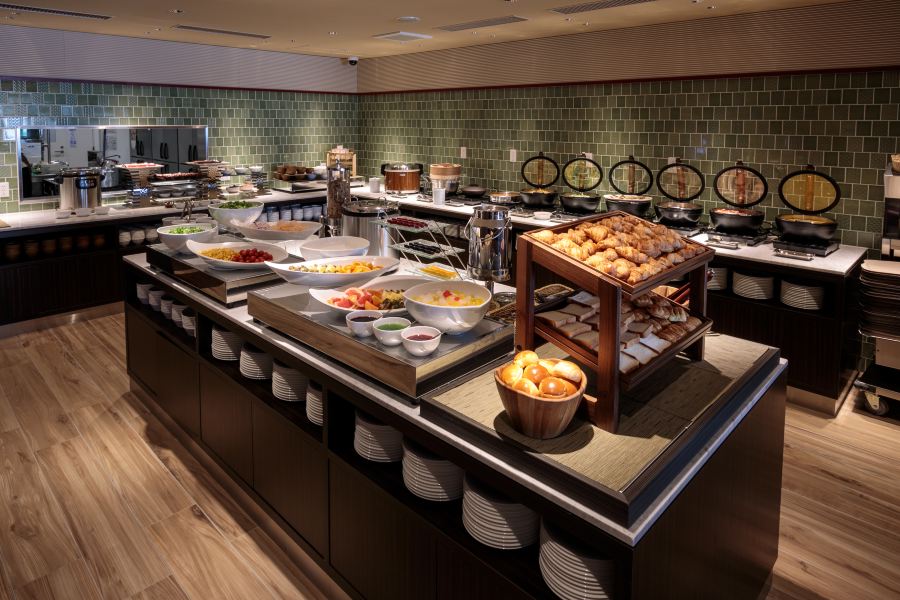
Take time to pamper yourself with a visit to the full-service spa. Additional amenities at this hotel include complimentary wireless internet access and a vending machine.
At S-Peria Hotel Kyoto, enjoy a satisfying meal at the restaurant. Buffet breakfasts are available daily from 6:30 AM to 10:00 AM for a fee.
Featured amenities include dry cleaning/laundry services, a 24-hour front desk, and luggage storage.
Stay in one of 165 guestrooms featuring flat-screen televisions. Complimentary wireless internet access is available to keep you connected. Bathrooms have complimentary toiletries and hair dryers. Conveniences include safes and desks, and housekeeping is provided daily.
 13
$108
13
$108
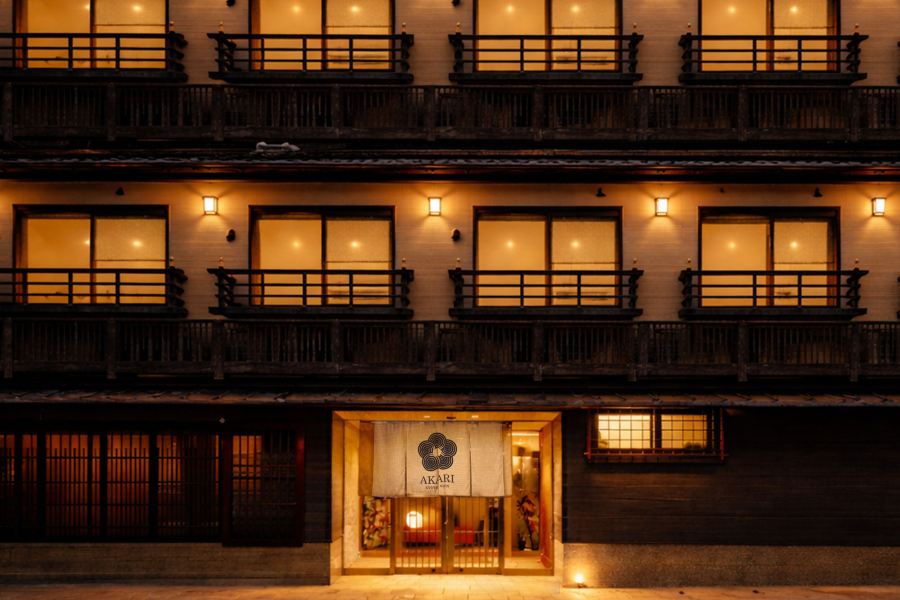
The hotel is just 600m away from Gion-Shijo Station. The closest major public transportation, Higashiyama Metro Station, is only 1km away. With Yasaka Shrine, Rokuharamitsuji Temple and Kyoto | ayumi hamasaki JAPAN TOUR 2026 A -Scapegoat- all within a short distance, there is no shortage of things to do in the area.
In their spare time, guests can explore the hotel's surroundings. Guests of this Kyoto hotel can make use of the parking facilities.
 14
$80
14
$80
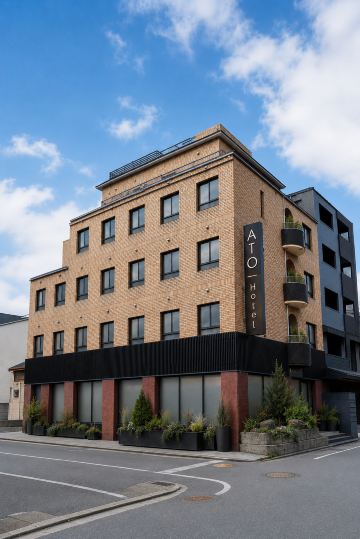
From the hotel, Sanjo Station is just 200m away. Being just minutes away from Sanjō Keihan Metro Station allows guests to explore the city with ease. With multiple attractions nearby including Kyoto | ayumi hamasaki JAPAN TOUR 2026 A -Scapegoat-, Ningeki NARUTO and Kyoto-Kawaramachi Station, guests will find plenty to keep themselves occupied.
When guests have some time on their hands they can make use of the onsite facilities.
Our guests rate this hotel as one of the best hotels for cleanliness.
 15
$67
15
$67
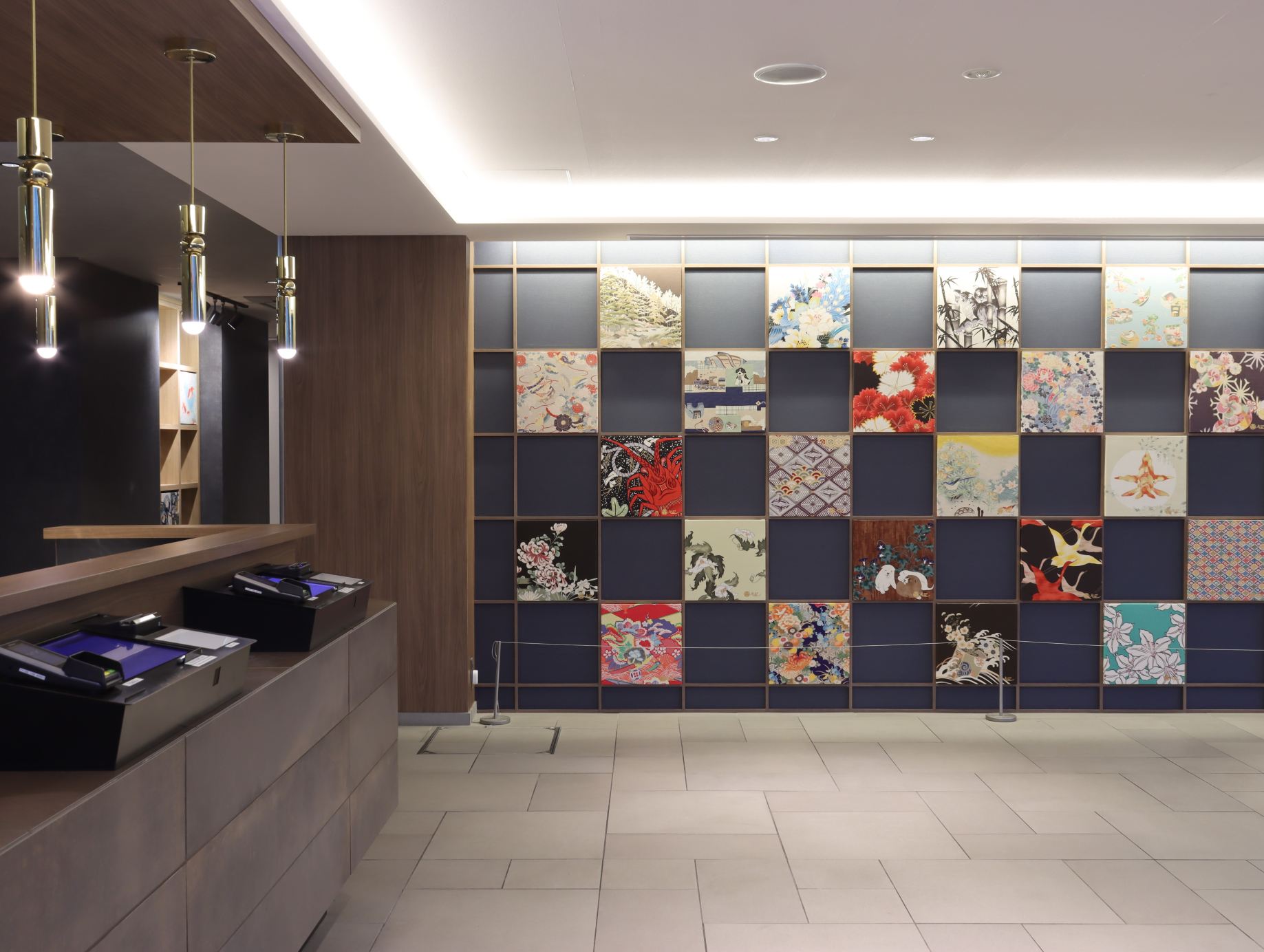
This hotel offers designated smoking areas.
Featured amenities include a 24-hour front desk, multilingual staff, and luggage storage.
Stay in one of 97 guestrooms featuring flat-screen televisions. Complimentary wireless internet access keeps you connected, and digital programming is available for your entertainment. Private bathrooms with shower/tub combinations feature complimentary toiletries and bidets. Conveniences include safes and electric kettles, and housekeeping is provided daily.
 16
$61
16
$61
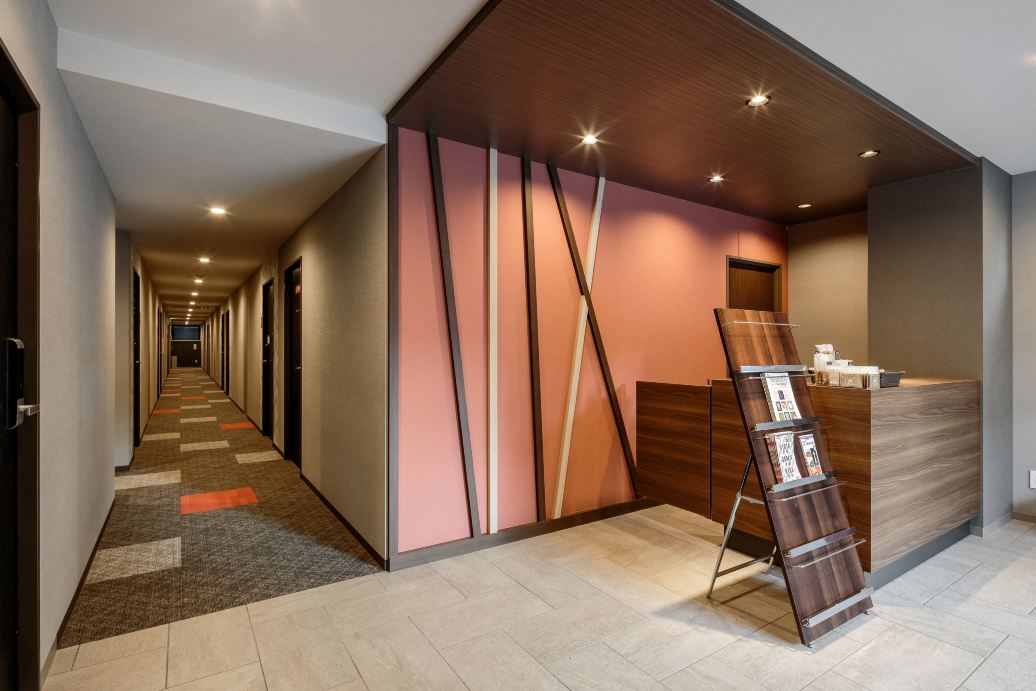
This hotel has 3 floors in 1 building and offers designated smoking areas.
Featured amenities include express check-out, multilingual staff, and laundry facilities.
Stay in one of 42 guestrooms featuring flat-screen televisions. Complimentary wireless internet access keeps you connected, and digital programming is available for your entertainment. Private bathrooms with shower/tub combinations feature complimentary toiletries and bidets. Conveniences include electric kettles, and irons/ironing boards can be requested.
 17
$148
17
$148
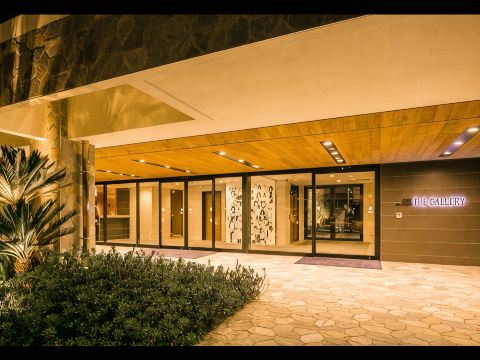
Take in the views from a terrace and make use of amenities such as complimentary wireless internet access and concierge services.
Enjoy a meal at the restaurant or snacks in the hotel's coffee shop/cafe. Quench your thirst with your favorite drink at the bar/lounge. Buffet breakfasts are available daily from 7 AM to 9:30 AM for a fee.
Featured amenities include dry cleaning/laundry services, a 24-hour front desk, and luggage storage.
Make yourself at home in one of the 220 individually decorated guestrooms, featuring refrigerators and flat-screen televisions. Complimentary wireless internet access keeps you connected, and cable programming is available for your entertainment. Bathrooms have complimentary toiletries and hair dryers. Conveniences include phones and desks, and housekeeping is provided daily.
 18
$71
18
$71
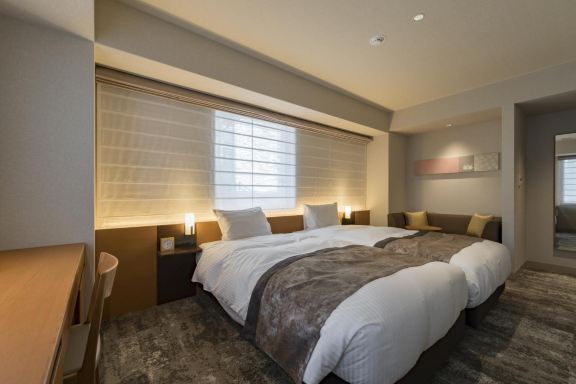
Pamper yourself with onsite massages or make use of the other amenities, which include complimentary wireless internet access.
Quench your thirst with your favorite drink at the bar/lounge. Local cuisine breakfasts are available daily from 7:00 AM to 8:30 AM for a fee.
Featured amenities include luggage storage and an elevator.
Make yourself at home in one of the 12 guestrooms featuring refrigerators and flat-screen televisions. Complimentary wireless internet access is available to keep you connected. Bathrooms feature shower/tub combinations, complimentary toiletries, and slippers. Conveniences include desks and electric kettles, and housekeeping is provided daily.
 19
$70
19
$70
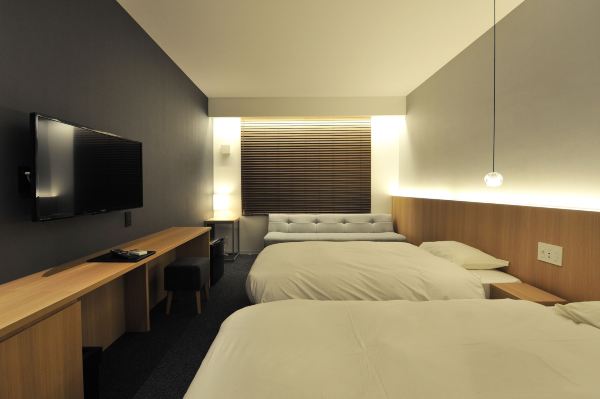
Featured amenities include a 24-hour front desk, luggage storage, and an elevator.
Stay in one of 26 guestrooms featuring flat-screen televisions. Complimentary wireless internet access is available to keep you connected. Private bathrooms with shower/tub combinations feature complimentary toiletries and bidets. Conveniences include safes and electric kettles, and housekeeping is provided daily.
 20
$31
20
$31
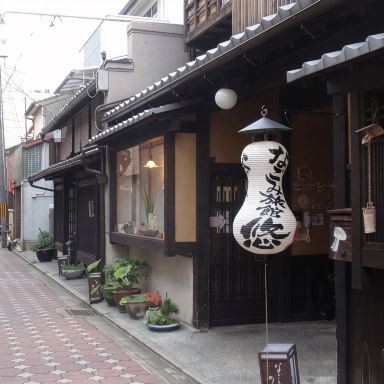
*Please note that due to the nature of wooden structures, sound may carry easily within the building. The hotel kindly asks that you understand the characteristics of traditional houses before making your reservation. Additionally, the hotel may accommodate you in a separate annex building with the same room type.
Nagomi Ryokan Yuu – Kyoto Machiya Guest House
Located in the heart of Kyoto, just a short walk from Gojo Station and Kyoto Station, Nagomi Ryokan Yuu is a traditional machiya townhouse that combines classic Japanese charm with modern comfort.
Rooms feature tatami flooring and nostalgic interior decor, along with free WiFi.
Cultural experiences such as Japanese breakfast, kimono rental, tea ceremony, and a private open-air bath are available by reservation.
Recommended activities
Popular articles






Travel essentials
Pro Tips
- Use buses, not trains. The subway is limited. Most temples and shrines are on bus routes.
- Buy the one‑day bus pass (700 yen). Pays for itself after three rides.
- Get an ICOCA or Suica card. Tap on and off buses. No need to carry coins.
- Board at the back, exit at the front. Pay when you get off. Wait until the bus stops completely.
- Skip taxis. Traffic near Kiyomizu‑dera and Gion is terrible. Walk or take the bus.
- Book popular temples (Kinkaku‑ji, Fushimi Inari) early morning. Before 8 am is the only quiet time.