
Tokyo Travel Guide
About Tokyo
Explore the map of Tokyo
Tokyo Disneyland
Tokyo Disney Resort is a themed resort offering more than can be enjoyed in just a day. Here you'll find two Disney theme parks – Tokyo Disneyland and Tokyo DisneySea – as well as six Disney hotels, several Tokyo Disney Resort Official Hotels, the shopping and dining complex Ikspiari, and a convenient monorail line around the Resort. Enjoy the parks and stay for the shopping, dining, and more at Tokyo Disney Resort.

Tokyo Disneyland, the Kingdom of Dreams and Magic, consists of seven themed lands, each offering fun attractions in line with its theme, as well as a variety of unique shops and restaurants.
· World Bazaar: A bustling early 20th century American town center
· Adventureland: A world of adventure rich in nature and cultural diversity
· Westernland: America's “Wild West” abounding with the frontier spirit
· Critter Country: A neighborhood of friendly creatures and their stories
· Fantasyland: A world of fairytales and dreams replete with Disney magic
· Toontown: A fun-filled neighborhood where Mickey and his friends live
· Tomorrowland: A land of tomorrow where science and technology are in harmony

Have a magical day at Tokyo Disneyland with your Disney friends!

1. “it's a small world”: As children of the world sing, enjoy the “happiest cruise that ever sailed.”

2. Enchanted Tale of Beauty and the Beast: Board magical cups that seem to dance through this enchanting story.

3. Big Thunder Mountain: A wild ride with sudden drops and turns on runaway mine train.

4. Dumbo The Flying Elephant: Fly high through the sky on Dumbo's back.

5. Splash Mountain: A thrilling trip on a log boat awaits you!

6. Minnie's Style Studio: Minnie Mouse, as a fashion designer, will greet guests wearing her latest design. Visit her office and pass through the workroom, then enter the photo studio for a photo with Minnie!
Tokyo DisneySea
Tokyo Disney Resort is a themed resort offering more than can be enjoyed in just a day. Here you'll find two Disney theme parks – Tokyo Disneyland and Tokyo DisneySea – as well as six Disney hotels, several Tokyo Disney Resort Official Hotels, the shopping and dining complex Ikspiari, and a convenient monorail line around the Resort. Enjoy the parks and stay for the shopping, dining, and more at Tokyo Disney Resort.
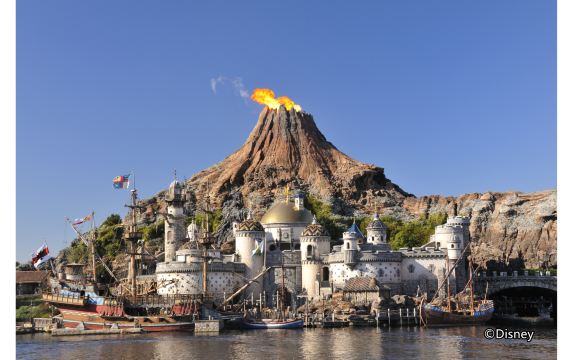
The only Disney park themed to the myths and legends of the sea. Each of the eight themed ports features attractions, restaurants, shops, and more, inviting guests to a world “Where Adventure and Imagination Set Sail!”

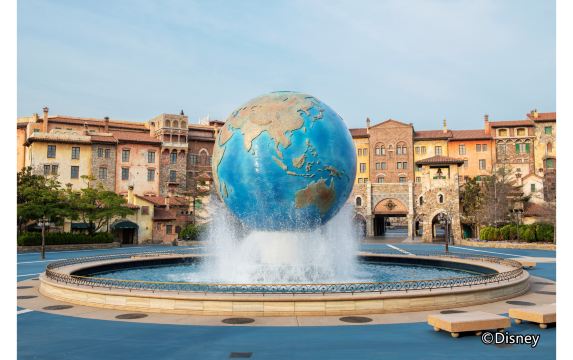
· Mediterranean Harbor: A romantic Southern European port town
· American Waterfront: The nostalgia-filled American harbors of New York and Cape Cod
· Port Discovery: A futuristic marina located across the horizons of time
· Lost River Delta: The ruins of an ancient civilization in the Central American jungles

· Fantasy Springs: Magical springs that lead to worlds of Disney fantasy
· Arabian Coast: The world of The Arabian Nights filled with magic and mystery
· Mermaid Lagoon: An undersea kingdom home to Ariel, the little mermaid, and her friends
· Mysterious Island: The eccentric genius Captain Nemo's secret base

1. Toy Story Mania!: Board a tram and play some fun carnival games with Woody, Buzz, and their pals.

2. Journey to the Center of the Earth: While exploring on a subterranean vehicle, unexpected danger sends you hurtling through the caverns.
3. Soaring: Fantastic Flight: Enjoy a journey over famous landscapes of the world!

4. Tower of Terror: Board an elevator for the penthouse, but beware! A terrifying experience awaits you.

5. Anna and Elsa's Frozen Journey: In this attraction, guests board a boat and enjoy the heartwarming tale of Anna and Elsa, accompanied by well-known songs from the Disney Animation film, Frozen.

6. Rapunzel's Lantern Festival: This attraction takes guests on a romantic boat ride that leads to the annual Lantern Festival.
Tokyo Disney Resort
Tokyo Disney Resort is a themed resort offering more than can be enjoyed in just a day. Here you'll find two Disney theme parks – Tokyo Disneyland and Tokyo DisneySea – as well as six Disney hotels, several Tokyo Disney Resort Official Hotels, the shopping and dining complex Ikspiari, and a convenient monorail line around the Resort. Enjoy the parks and stay for the shopping, dining, and more at Tokyo Disney Resort.
Tokyo Disneyland, the Kingdom of Dreams and Magic, consists of seven themed lands, each offering fun attractions in line with its theme, as well as a variety of unique shops and restaurants.
· World Bazaar: A bustling early 20th century American town center
· Adventureland: A world of adventure rich in nature and cultural diversity
· Westernland: America's “Wild West” abounding with the frontier spirit
· Critter Country: A neighborhood of friendly creatures and their stories
· Fantasyland: A world of fairytales and dreams replete with Disney magic
· Toontown: A fun-filled neighborhood where Mickey and his friends live
· Tomorrowland: A land of tomorrow where science and technology are in harmony
Have a magical day at Tokyo Disneyland with your Disney friends!
1. “it's a small world”: As children of the world sing, enjoy the “happiest cruise that ever sailed.”
2. Enchanted Tale of Beauty and the Beast: Board magical cups that seem to dance through this enchanting story.
3. Big Thunder Mountain: A wild ride with sudden drops and turns on runaway mine train.
4. Dumbo The Flying Elephant: Fly high through the sky on Dumbo's back.
5. Splash Mountain: A thrilling trip on a log boat awaits you!
6. Minnie's Style Studio: Minnie Mouse, as a fashion designer, will greet guests wearing her latest design. Visit her office and pass through the workroom, then enter the photo studio for a photo with Minnie!
The only Disney park themed to the myths and legends of the sea. Each of the eight themed ports features attractions, restaurants, shops, and more, inviting guests to a world “Where Adventure and Imagination Set Sail!”
· Mediterranean Harbor: A romantic Southern European port town
· American Waterfront: The nostalgia-filled American harbors of New York and Cape Cod
· Port Discovery: A futuristic marina located across the horizons of time
· Lost River Delta: The ruins of an ancient civilization in the Central American jungles
· Fantasy Springs: Magical springs that lead to worlds of Disney fantasy
· Arabian Coast: The world of The Arabian Nights filled with magic and mystery
· Mermaid Lagoon: An undersea kingdom home to Ariel, the little mermaid, and her friends
· Mysterious Island: The eccentric genius Captain Nemo's secret base
1. Toy Story Mania!: Board a tram and play some fun carnival games with Woody, Buzz, and their pals.
2. Journey to the Center of the Earth: While exploring on a subterranean vehicle, unexpected danger sends you hurtling through the caverns.
3. Soaring: Fantastic Flight: Enjoy a journey over famous landscapes of the world!

4. Tower of Terror: Board an elevator for the penthouse, but beware! A terrifying experience awaits you.
5. Anna and Elsa's Frozen Journey: In this attraction, guests board a boat and enjoy the heartwarming tale of Anna and Elsa, accompanied by well-known songs from the Disney Animation film, Frozen.
6. Rapunzel's Lantern Festival: This attraction takes guests on a romantic boat ride that leads to the annual Lantern Festival.
Sensō-ji
Sensō-ji is a temple with a long history and great popularity in Tokyo, dedicated to the sacred Kannon, and serves as the center of faith and culture in the Asakusa area. It was first built in the 7th century and was rebuilt many times after repeated fires. Legend has it that two fishermen caught a small golden statue of Kannon while fishing at sea, and the temple was built to enshrine it.

The symbol of Sensō-ji is the Kaminarimon Gate at the entrance, flanked by the wind god and thunder god who guard the temple. A giant red lantern bearing the characters for "Kaminarimon" hangs on the gate, creating a truly impressive sight.
Passing through Kaminarimon Gate leads to Nakamise Shopping Street, which stretches toward the temple plaza. The rows of shops are filled with various small items full of Japanese charm, such as traditional fans and paper trinkets. This is one of Tokyo's lively shopping streets, and many visitors browse and pick out exquisite crafts here.
After passing through Nakamise, you arrive at Hozomon Gate. Beyond it lies a roughly hundred-meter stone-paved path leading to the main hall where the Kannon statue is enshrined. In the plaza stands a large incense burner, and many people fan the smoke onto themselves for good health. The main hall's roof is distinctive, with a pronounced slope and a notably high ridge, giving it a striking and well-defined structure. On the east side, Nitenmon Gate is an ancient vermilion-lacquered gate and serves as another entrance to the temple grounds.
In addition, there are many buildings and historical sites within Sensō-ji that are worth taking the time to appreciate.


Harry Potter Studio Tour Tokyo
Harry Potter Studio Tour Tokyo is an entertainment facility where you can experience the behind-the-scenes production of the "Harry Potter" and "Fantastic Beasts" films.
In addition to the popular Hogwarts Great Hall and the Hogwarts Express at Platform 9¾, you can also enjoy many wonderful scenes created by the world's outstanding filmmakers.
Ride a broomstick, sip refreshing Butterbeer, become a living portrait in the moving staircase area of Hogwarts, and more.
In addition, there is a store selling a wide range of Studio Tour merchandise. It will be the first to open in Asia and will feature indoor "Harry Potter" facilities.
© & ™ Warner Bros. Entertainment Inc. Publishing Rights © JKR.

Platform nine and three-quarters
The seemingly unremarkable Platform Nine and Three-Quarters at King's Cross Station in London was, for Harry, the entrance to the wizarding world.
Harry Potter fans, step onto Platform Nine and Three-Quarters and board the express train to Hogwarts!

Hogwarts Great Hall
For Hogwarts students, the Great Hall is the center of school life.
Open the main doors and enter the Great Hall, where you can see statues built in the image of the four houses (snake, badger, lion, eagle) lined up along one wall.
The house point counter, which uses glass beads to display the scores of each house, is also located here.

Ministry of Magic
Only in Tokyo! At Harry Potter Studio Tour Tokyo, you can step into the full-scale set of the British Ministry of Magic, walk into the fireplace like a Ministry employee, and experience the magical effect of Floo Powder through smoke and lighting.
*Photo and video capability
Diagon Alley
In Diagon Alley, you can withdraw Galleons at Gringotts Wizarding Bank or pick out a beloved pet at the Magical Menagerie—everything Hogwarts students need is gathered here. As you walk into Diagon Alley, you can observe up close this exquisitely crafted set built by the film production team.

Tokyo Skytree
Tokyo Skytree is Tokyo's iconic radio tower and sightseeing landmark. Standing 634 m tall, it set a new world height record for tower structures when completed. The tower's body gradually transitions from a triangular shape at the base to a circular shape toward the top, and its clean, upright steel structure combines a futuristic feel with traditional charm. The exterior paintwork is based on the traditional Japanese color "aihaku" (blue-white), presenting a slightly blue-tinged white. The tower has an observation deck at 350 m and another at 450 m. From the top, visitors can enjoy a 360-degree panoramic view of Tokyo, and on clear days the view can extend to distant mountain ranges. The Tembo Galleria at 450 m features a spiral glass walkway encircling the tower, including a section with a glass floor where you can look straight down at the ground below, as if floating in midair. After nightfall, the tower is alternately lit in two lighting modes, "Iki" and "Miyabi"—the former sky blue and the latter purple—adding an elegant charm to Tokyo's nightscape. The image of Tokyo Skytree also frequently appears in Japanese dramas and anime, becoming a symbolic marker of Tokyo's skyline in the minds of many. The area beneath the tower has been developed into the mixed-use commercial and entertainment district Skytree Town, combining shopping, dining, and entertainment, and the Sumida Aquarium is located within it. In addition to going up the tower for the view, visitors can also take a leisurely stroll through the streets below and experience the landmark's different charms from day to night.


Tokyo Tower
Tokyo Tower, also known as Tokyo Iron Tower, is a popular tourist attraction in Tokyo. It is a radio tower located in Shiba Park, Tokyo, Japan. The red-and-white iron tower was modeled after the Eiffel Tower in Paris and stands 333 m tall. Since its completion in 1958, it has been one of Tokyo's city symbols, and its image and name frequently appear in various works of art. In recent years, as the public's requirements for views have increased, the tower no longer has color restrictions, but the original paintwork is highly distinctive and has thus been retained. The lighting is designed and supervised by world-renowned lighting designer Motoko Ishii, with illumination from sunset to midnight. The light colors change with the seasons: white in summer, and orange in spring, fall, and winter.
Tokyo Tower offers a wide range of sightseeing services, including a bright and airy observation deck as well as leisure and entertainment facilities such as a museum, restaurants, and shops. A stroll here is a truly relaxing choice.
The light particles around Tokyo Tower sparkle like diamonds. This lighting installation can change the color of the lights into as many as 7 colors, each containing a message.

The tower's main observation platforms are the Main Deck and Top Deck. On clear days, visitors may also catch a glimpse of Mount Fuji.

△ [Grand Observation Hall] is located at a height of 150 m, surrounded by floor-to-ceiling windows.

△The Grand Observation Hall also features several glass-floor "Skywalk Windows," allowing visitors to look directly down at the lower levels and experience a thrilling sensation.

△[Special Observation Deck] is a sightseeing area open only to visitors with advance reservations. It has a strong futuristic design sense, with dazzling mirror installations everywhere. The entire tour is received and guided by guide staff. Their warm and friendly service and detailed explanations will give you a certain experience and understanding of Tokyo Tower's past and future.
Mount Fuji
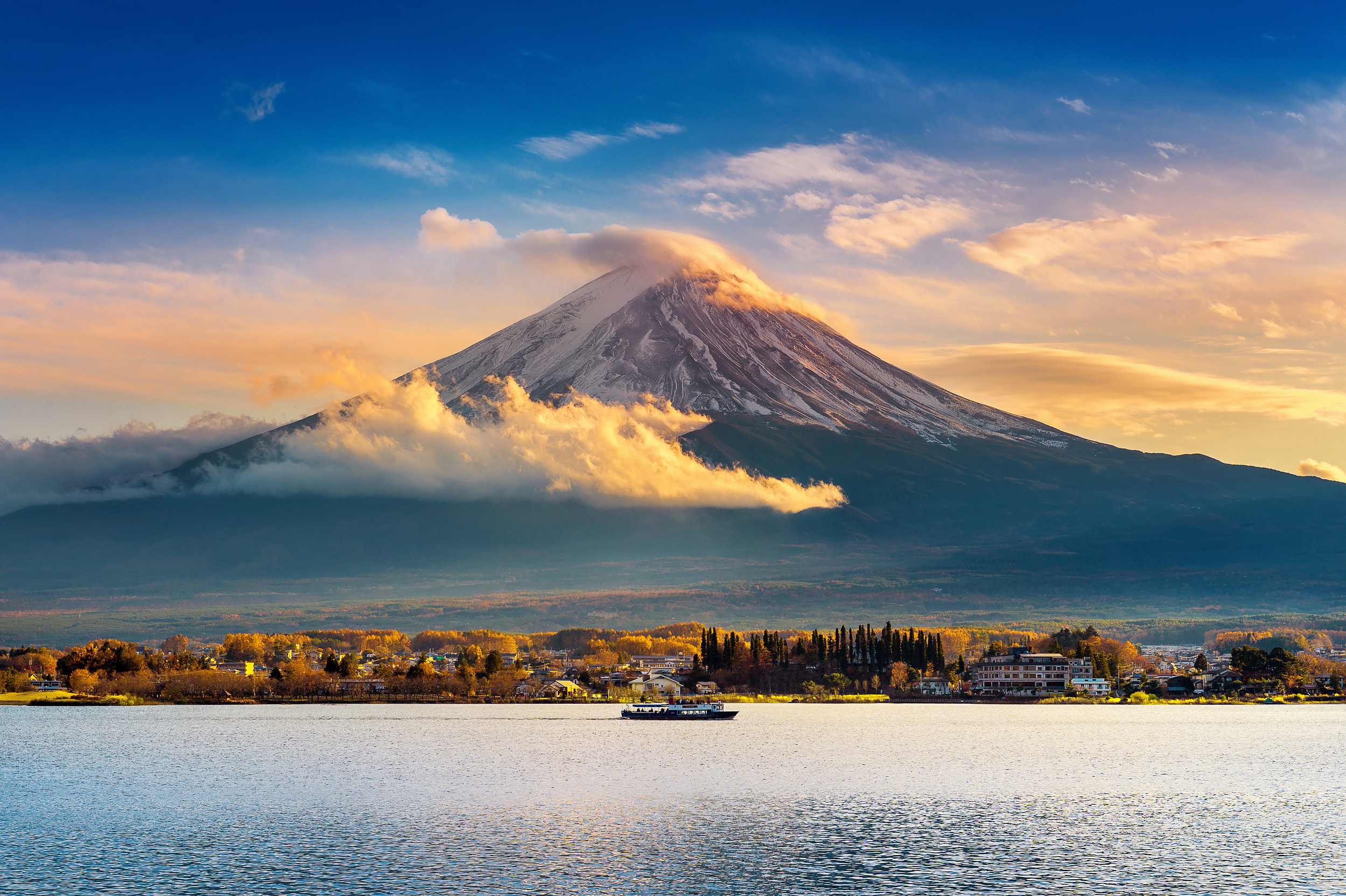
Mount Fuji spans Shizuoka Prefecture and Yamanashi Prefecture. This mountain, revered by the Japanese as the "sacred peak," has been dormant since its eruption in 1707 and remains a major symbol of Japan.
Of course, if you want to experience Mount Fuji and the surrounding natural scenery up close, the Fuji Five Lakes area at the foot of the mountain to the north is a great choice. Among these, the reflection of Mount Fuji in Lake Kawaguchi is a classic view well worth seeing, and the nearby Oshino Hakkai is also a famous sight. Heiwa Park to the southeast is an excellent spot for viewing Mount Fuji; on clear, cloudless days you can clearly see the conical peak of Mount Fuji, and in fall or winter you can also see snow on the summit, which is especially beautiful.
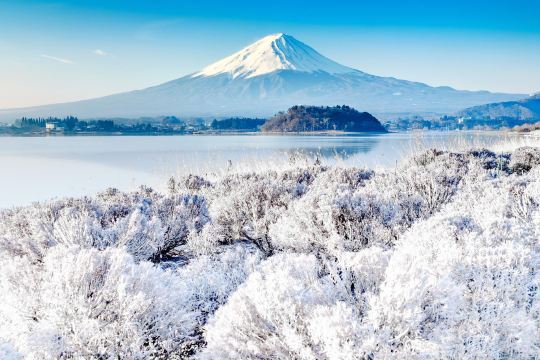
Mount Fuji has 4 main climbing entrances, namely Fujinomiya entrance, Subashiri entrance, Gotemba entrance, and Fujiyoshida (Kawaguchiko) entrance, with the first 3 all located within Shizuoka Prefecture. The route from the foot to the summit is divided into 10 stages, each called a "station," all equipped with rest areas for visitors, and most visitors take a bus from Kawaguchiko to the halfway point of the mountainMount Fuji fifth station, then start climbing the mountain from here.
Upon reaching the summit of Mount Fuji, you can see the beautiful crater lake formed by the volcano, surrounded by eight peaks. As you tour around the crater, there is a weather station—the highest point in Japan—where you may want to take a commemorative photo. There is also a post office at the summit where you can send a postcard to family and friends. Additionally, watching the sunrise from Mount Fuji will be an unforgettable and wonderful experience.
In addition to Mount Fuji itself, the scenery around its base is also very beautiful. At the northern foot are caves left by volcanic eruptions, in all kinds of shapes, some of which continuously emit steam. Among them, the walls of the Fugaku Wind Cave are covered with stalactite-like icicles, known as "perpetual snow." The southern foot is a vast highland pasture with beautiful scenery throughout the year, as well as many places for leisure activities; in summer you can go camping, swimming, and fishing, and in winter you can go skiing and ice skating.

TeamLab Planets TOKYO
TeamLab Planets TOKYO is an immersive digital art attraction created by art collective teamLab where visitors "step into water." Here, you take off your shoes, roll up your pants, and walk barefoot through water, strolling among flowers and light. The artworks are generated in real-time by algorithms and continuously transform in response to your movements and those around you, subtly blurring the boundaries between people, artworks, and others. This venue once set the Guinness World Record for annual attendance by a single art group's attraction and has twice been awarded "Asia's leading tourist attraction" at the World Travel Awards.
Water-themed spaces are the signature here. "The infinite water surface depicted by dancing koi and people" allows you to step into water approx. knee-deep, where countless koi swim across the endlessly extending surface, transforming into scattered flowers upon contact and blooming flora that changes with the seasons. In the "Boundless crystal universe," strings of light sculptures stretch infinitely in all directions, letting you use your phone to cast stars into the space and personally shape this sea of stars. The garden area's "Floating garden" fills the entire space with soil-free orchids growing in midair, where flowers rise as you walk and their fragrance subtly shifts with the time of day.
The "Sports forest" zone transforms the art museum into a three-dimensional playground: leap on glowing bouncing balls, climb colorful poles suspended in midair, step on balance stones that change with your movements, and explore the world with your body. The "Capture and collect forest" lets you use a mobile app to capture various extinct animals and compile your own illustrated guide. The "Co-create! Future garden" invites everyone to paint together, with finished airplanes and butterflies flying into the world in 3D—especially great for family-friendly fun.
Experience tips: Barefoot is required in water and garden areas. We recommend wearing pants or shorts with roll-up hems for convenience. Some areas have mirrored floors where pants are more practical than skirts. For 3D exploration areas like the sports forest, wear shoes suitable for activity.

△Carp swim across the boundless water surface. When they collide with people, they scatter and flee into the flowers.

△A series of light sculptures extend infinitely.

△In this space, a world full of life is unfolding, with flowers blooming all year round, constantly changing and evolving over time.
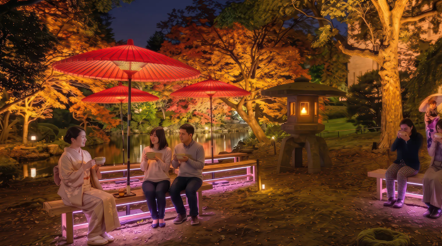

Roppongi Hills
Roppongi Hills is located in Roppongi, Tokyo, and is a representative large-scale urban complex in Japan, opened in 2003. The entire project centers around Mori Tower, integrating office, commercial, cultural, and residential functions, with approx. half of the area being open spaces such as gardens and plazas, blending modern urban life with recreational spaces within the same area.

The upper floors of Mori Tower house the Mori Art Museum and an observation deck. The Mori Art Museum focuses on contemporary art and hosts various themed exhibitions throughout the year; the observation deck offers panoramic views of Tokyo and is a popular spot for overlooking the city skyline. The Mori Garden is located right next to Mori Tower and is a Japanese-style garden that retains a large pond and traditional landscaping elements. Its predecessor can be traced back to the site of the Mori clan residence from the Edo period. The garden forms a striking contrast with the surrounding modern high-rise buildings and is a suitable place for a stroll and relaxation.
Keyakizaka-dori is a well-known commercial street in the new city area, lined with cafes and boutique shops. Its winter light decorations make it one of Tokyo's popular spots for viewing illuminations. The headquarters building of TV Asahi is also located here, with a publicly accessible exhibition space on the first floor showcasing content related to the station's programs. The new city area also features cinemas and numerous dining and shopping options. From Roppongi subway station, visitors can directly access the commercial zone through a glass atrium, ensuring convenient connectivity.

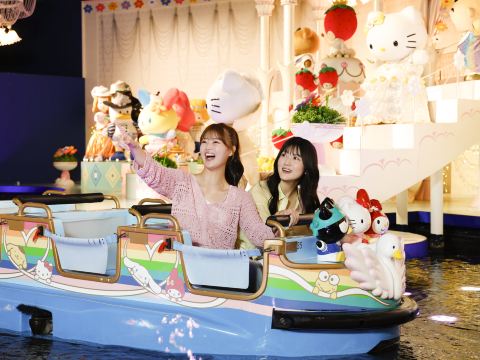
Sanrio Puroland(Tokyo)
Sanrio Puroland, located in Tama City, Tokyo, is an indoor theme park where you can enjoy the world of popular Sanrio characters such as Hello Kitty, Cinnamoroll, Kuromi, and My Melody!
Opened on December 7, 1990, it was created as a place where people can actually interact with Sanrio characters and experience their world, and has been loved by many fans for many years.

Inside the building, there are plenty of things to see and do, including character greetings, spectacular parades and shows, and attractions that let you enjoy a cute and charming world!
The park features character-themed food, limited-edition merchandise, and plenty of photogenic spots.

Since it's an indoor facility, you can enjoy it regardless of the weather, whether it's raining or hot!
It's recommended not only for family trips, but also for outings with friends or as a couple.

When you come to Tokyo, why not spend a special time with your favorite character in a dreamlike place filled with Sanrio's "cuteness"?

Shinjuku Gyoen National Garden

Shinjuku Gyoen National Garden is a large park located in the city center, featuring a Japanese garden, a French formal garden, and an English landscape garden.

Originally, Shinjuku Gyoen National Garden was a tranquil Japanese garden, and later a French garden was built. The park features lush forests, beautiful views, and 1,500 cherry trees, which attract many visitors to view the cherry blossoms in spring.

The origins of Shinjuku Gyoen National Garden date back to 1906, on the site of the Edo-period residence of the Naito family, lords of the Takato Domain in Shinshu. Originally built as an imperial garden, it became a national park after the war and has been loved by many people. The park covers an area of 58.3 hectares, with a perimeter of 3.5 km, and features unique garden views such as a beautiful plane tree avenue.


Landmarks & attractions


Tokyo Festivals & Events
Taste the City


Plan Your Trip
City Transport Guide
Metro
Explore moreTokyo Metro is essential for exploring Japan's capital. This guide covers route maps, fares, IC cards, day passes, and tips for navigating one of the world's most complex subway systems
Haneda Airport
Explore moreGet from Haneda Airport to central Tokyo quickly and affordably. Compare the Tokyo Monorail, Keikyu Line, limousine bus, taxi, and other options with travel times and fares
Narita Airport
Explore moreNavigate your way from Narita Airport to Tokyo with this comprehensive guide. Compare the N'EX, Skyliner, Access Express, limousine bus, and other options to find the best fit
Transportation
Explore moreMaster Tokyo's complex transport network with this ultimate guide covering JR lines, metro, buses, monorails, and travel passes. Essential reading for first-time visitors to Japan's capital
Limousine Bus
Explore moreThe Airport Limousine Bus offers comfortable direct service from Haneda Airport to major hotels and stations across Tokyo. Learn about routes, schedules, fares, and how to book
Pro Tips
- Get a Suica or Pasmo card. Tap and go on trains, buses, and subways.
- Avoid rush hour: 8–9 am and 6–7 pm. The Yamanote line gets packed.
- Women only cars run during morning and evening rush hours. Also, don't take phone calls on the train – keep your phone on silent.
- Stick with JR and subway trains. Taxis are expensive and slow.
Metro Map
Recommended Stays
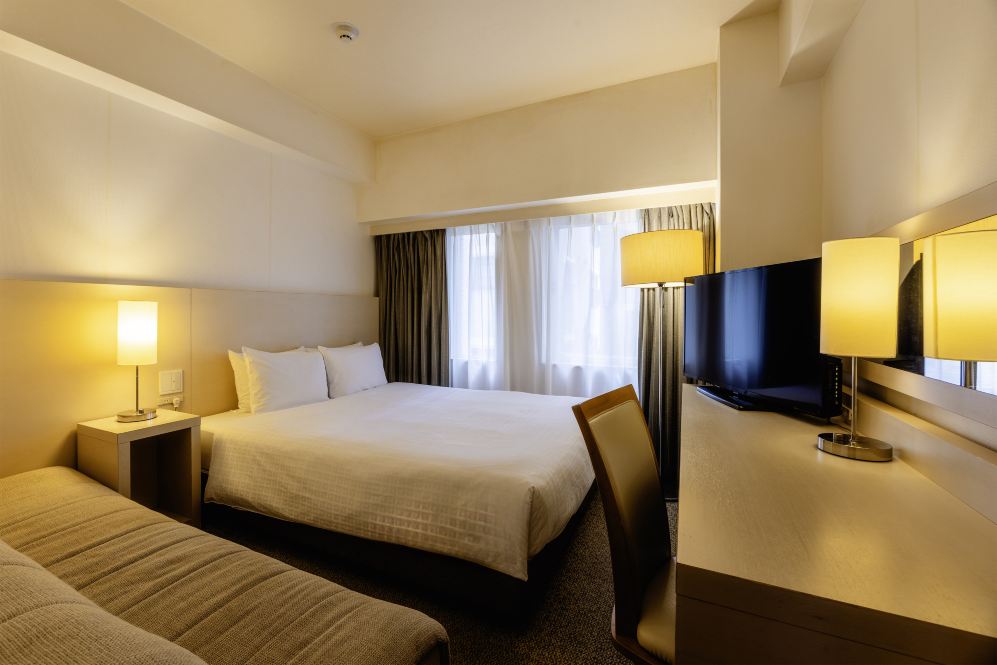 1
$71
This hotel offers designated smoking areas.
Buffet breakfasts are available daily from 6:30 AM to 9:00 AM for a fee.
Featured amenities include a 24-hour front desk, luggage storage, and laundry facilities.
Make yourself at home in one of the 184 air-conditioned guestrooms. Complimentary wireless internet access is available to keep you connected. Private bathrooms with bathtubs or showers feature complimentary toiletries and hair dryers.
 2
$129
Take advantage of recreation opportunities such as a seasonal outdoor pool, or other amenities including complimentary wireless internet access and concierge services. Additional features at this hotel include a hair salon, a ballroom, and a vending machine. Getting to nearby attractions is a breeze with the area shuttle (surcharge).
Grab a bite at The Artists Cafe, one of the hotel's 6 restaurants, or stay in and take advantage of the room service (during limited hours). Snacks are also available at the coffee shop/cafe. Wrap up your day with a drink at the bar/lounge.
Featured amenities include express check-in, express check-out, and complimentary newspapers in the lobby. Self parking (subject to charges) is available onsite.
Make yourself at home in one of the 1006 air-conditioned guestrooms. Bathrooms feature shower/tub combinations, complimentary toiletries, and hair dryers. Conveniences include safes and desks, and housekeeping is provided daily.
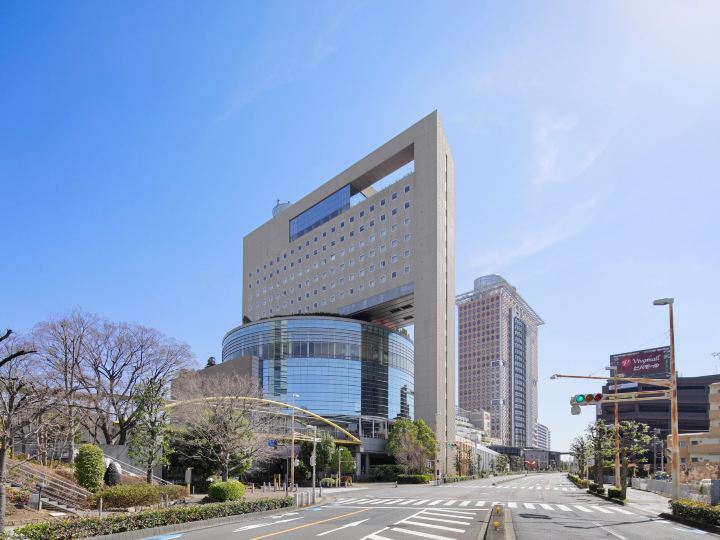 3
$48
Conveniently located for travel in the Kanto region and for concerts and events.
・Within walking distance of two stations: Saitama Shintoshin Station and Kita-Yono Station
・No transfers required from Tokyo Station to the nearest station to the hotel
・One train stop or approximately 10 minutes by taxi to Omiya Station, where Shinkansen trains arrive and depart
• Approximately a 10-minute walk to the limousine bus stop for Haneda Airport
Guests staying on the Grand Floor (13th–14th floors) enjoy free parking and free-flow service at the hotel bar.
Enjoy a relaxing and luxurious stay at this hotel, the perfect base for your trip.
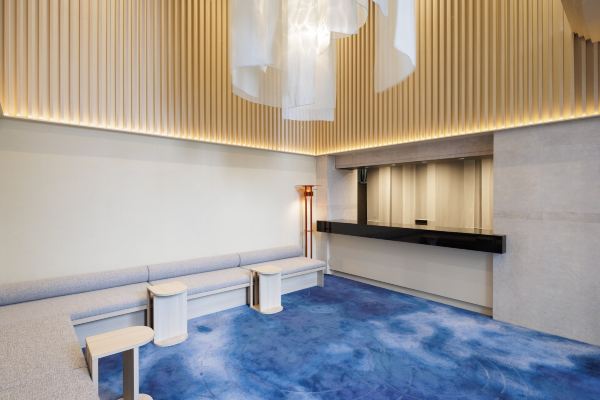 4
$0
Make use of convenient amenities, which include complimentary wireless internet access and a vending machine.
Buffet breakfasts are available daily from 6:30 AM to 9:30 AM for a fee.
Featured amenities include a 24-hour front desk, luggage storage, and laundry facilities.
Make yourself at home in one of the 96 guestrooms. Complimentary wireless internet access is available to keep you connected. Private bathrooms with shower/tub combinations feature bidets and hair dryers. Conveniences include safes and desks, and housekeeping is provided on request.
 5
$113
 6
$188
 7
$160
Take advantage of recreation opportunities such as hot springs, or other amenities including complimentary wireless internet access and a banquet hall.
Satisfy your appetite with French cuisine at RESTAURANT SACHI, a restaurant where you can take in the ocean view. Snacks are also available at the coffee shop/cafe. Quench your thirst with your favorite drink at the bar/lounge. Buffet breakfasts are available daily from 6:00 AM to 9:30 AM for a fee.
Featured amenities include express check-in, a 24-hour front desk, and luggage storage. Self parking (subject to charges) is available onsite.
Stay in one of 558 guestrooms featuring LCD televisions. Complimentary wireless internet access keeps you connected, and digital programming is available for your entertainment. Bathrooms have bidets and hair dryers. Conveniences include safes and desks, and housekeeping is provided daily.
*Regarding meals*we are unable to accommodate allergies outside of the 28 specified ingredients, changes in ingredients due to medication or pregnancy, religious reasons, or personal food preferences. Please check our official website for more details.
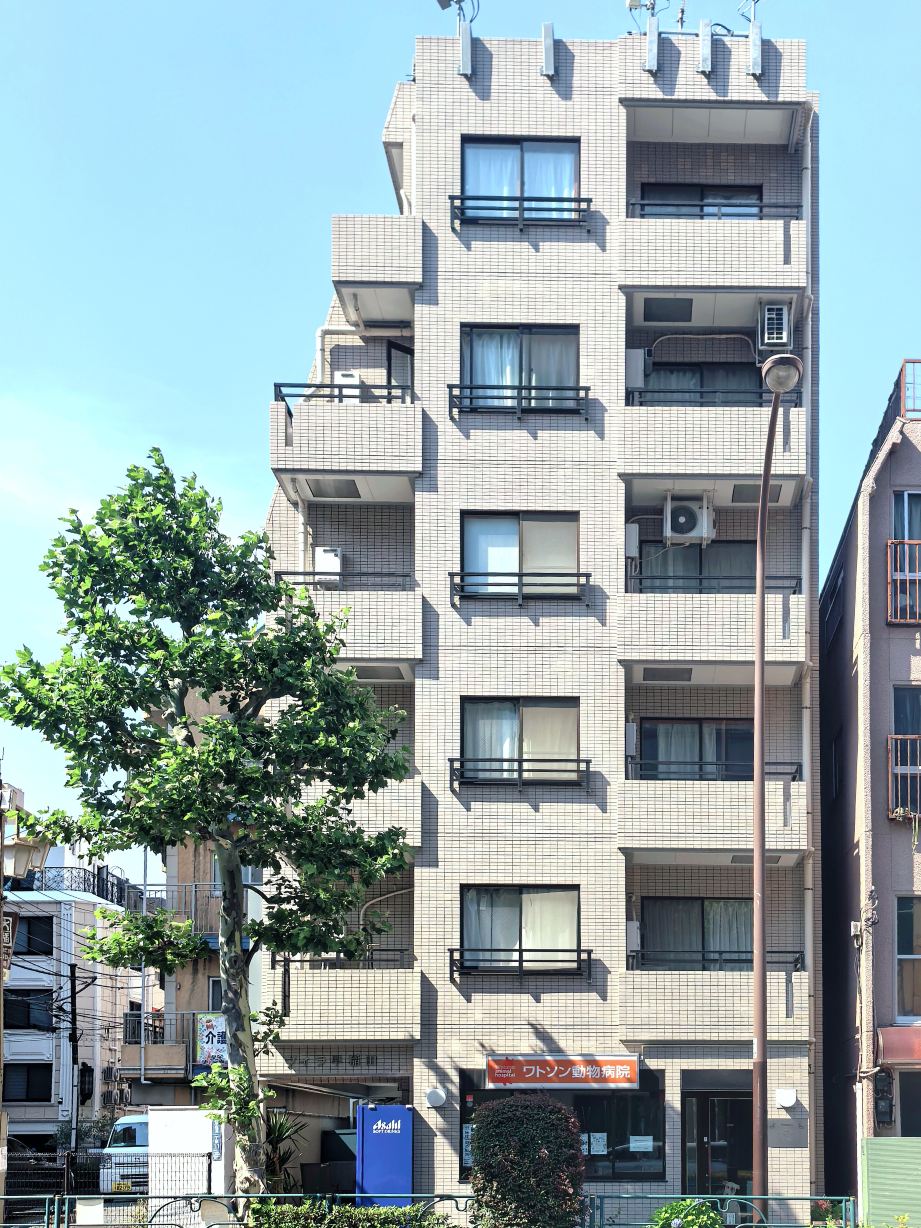 8
$0
This property is located in Nishi-Waseda, Shinjuku City. In the surrounding area, spots perfect for sightseeing and strolling are scattered about, including Waseda University, Okuma Garden, Higo-Hosokawa Garden, Chinzanso Tokyo Garden, St. Mary’s Cathedral Tokyo, Kansen-en Park, and Toyama Park.
[Train]
■ Tokyo Metro Tozai Line “Waseda Station”: about 8 minutes on foot from Exit 2
→ Direct to Takadanobaba / Otemachi / Nihombashi / Kudanshita / Kagurazaka
■ Toden Arakawa Line “Waseda Station”: about 4 minutes on foot
→ Direct to Otsuka / Higashi-Ikebukuro
[Bus]
* 「早77」 Route: Toward Shinjuku Station West Exit / Kabukicho
* 「池86」 Route: Toward Ikebukuro Station East Exit / Shibuya Station East Exit / Omotesando
* 「上69」 Route: Toward Ueno Station / Ueno Park / University of Tokyo / Takadanobaba Station
* 「飯64」 Route: Toward Iidabashi Station / Kudanshita / Takadanobaba Station
* 「上58」 Route: Toward Ueno
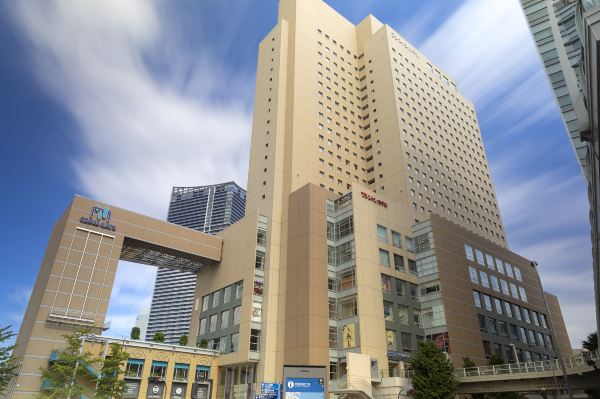 9
$52
Make use of convenient amenities such as complimentary wireless Internet access, gift shops/newsstands, and a vending machine.
Stop by the hotel's restaurant, Bayside, for lunch or dinner, or grab snacks at the coffee shop/cafe. Quench your thirst with your favorite drink at the bar/lounge. Buffet breakfasts are available daily from 6:30 AM to 9:30 AM for a fee.
Featured amenities include complimentary wired Internet access, dry cleaning/laundry services, and a 24-hour front desk. Event facilities at this hotel consist of conference space and meeting rooms. Self parking (subject to charges) is available onsite.
Make yourself at home in one of the 553 air-conditioned rooms featuring refrigerators and LCD televisions. Your bed comes with down comforters and premium bedding. Complimentary wired and wireless Internet access keeps you connected, and digital programming provides entertainment. Private bathrooms with shower/tub combinations feature rainfall showerheads and complimentary toiletries.
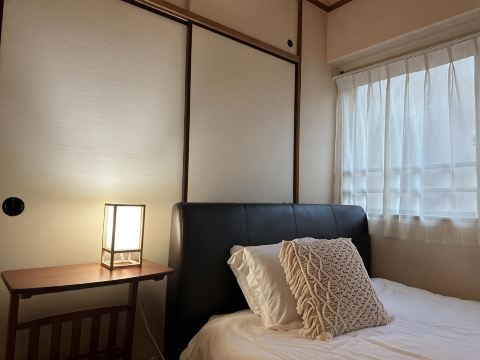 10
$0
 11
$121
Take in the views from a rooftop terrace and a garden and make use of amenities such as complimentary wireless internet access. Additional features at this hotel include tour/ticket assistance and a vending machine.
Enjoy a meal at the restaurant or snacks in the hotel's coffee shop/cafe. Wrap up your day with a drink at the bar/lounge. Continental breakfasts are available daily from 7 AM to 10:00 AM for a fee.
Featured amenities include dry cleaning/laundry services, a 24-hour front desk, and luggage storage. Self parking (subject to charges) is available onsite.
Make yourself at home in one of the 485 individually furnished guestrooms, featuring refrigerators and Smart televisions. Your bed comes with down comforters and premium bedding. Complimentary wireless internet access keeps you connected, and digital programming is available for your entertainment. Private bathrooms with shower/tub combinations feature designer toiletries and bidets.
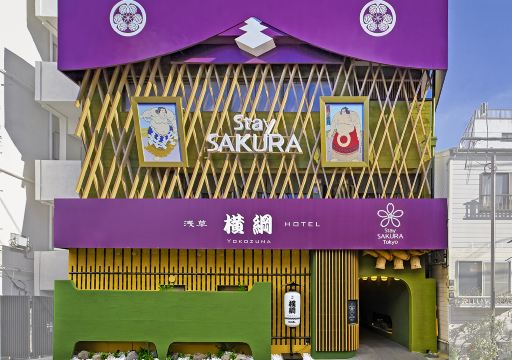 12
$183
Take in the views from a terrace and make use of amenities such as complimentary wireless internet access and a vending machine.
Featured amenities include express check-out, multilingual staff, and luggage storage.
Make yourself at home in one of the 17 guestrooms, featuring kitchenettes with stovetops and microwaves. Complimentary wireless internet access keeps you connected, and flat-screen televisions are provided for your entertainment. Conveniences include safes and desks.
 13
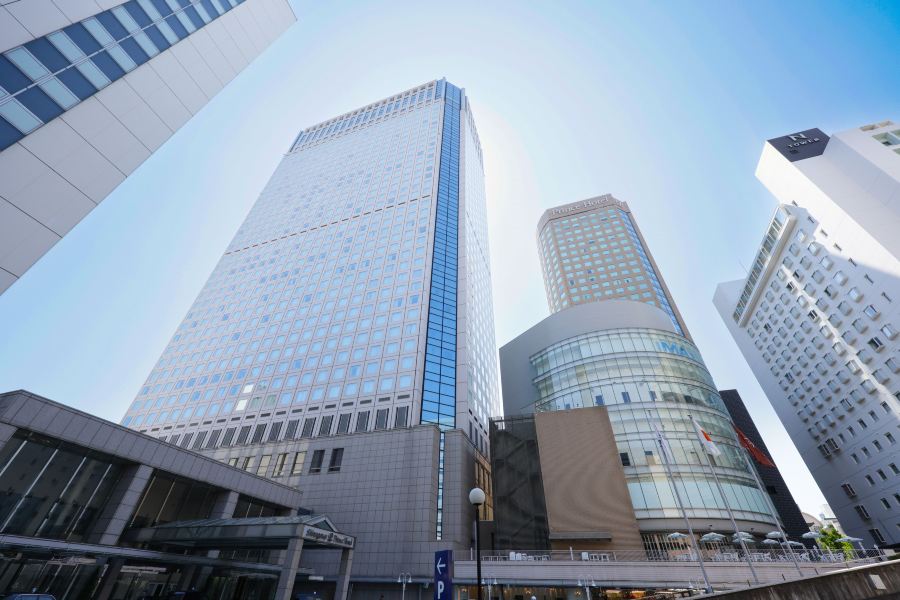
$170
Don't miss out on recreational opportunities including indoor tennis courts and a fitness center. Additional features at this hotel include complimentary wireless Internet access, concierge services, and babysitting (surcharge).
Grab a bite to eat at DINING & BAR TABLE 9 TOKY, one of the hotel's many dining establishments, which include 5 restaurants and a coffee shop/cafe. Wrap up your day with a drink at the bar/lounge. Buffet breakfasts are available daily from 6:00 AM to 10:00 AM for a fee.
Featured amenities include complimentary wired Internet access, express check-in, and dry cleaning/laundry services. Self parking (subject to charges) is available onsite.
Make yourself at home in one of the 3560 guestrooms featuring refrigerators. Complimentary wired and wireless Internet access is available. Private bathrooms with shower/tub combinations feature complimentary toiletries and bidets. Conveniences include safes and desks, and housekeeping is provided daily.
-Notice Regarding the Use of Portable Chargers-
Recently, there have been reports of portable chargers causing smoke or fire both in Japan and overseas.
To ensure safety and comfort to all our guests, we kindly ask for your cooperation in observing the following
precautions when using portable chargers in the guest rooms:
- Please keep your portable chargers with you and take responsibility for its safekeeping.
- While charging, please make sure the portable charger remains within sight and can be checked
regularly to prevent any accidents.
- Do not leave your portable chargers charged in your room.
- When charging a portable charger or using it to charge other devices, please avoid placing the devices
in direct sunlight or on flammable materials such as beds and bed sheets.
- Do not use portable chargers that are damaged, swollen, or unusually hot.
If our housekeeping staff notice any of the above situations during room cleaning, they may move the portable
chargers or stop charging them to ensure safety. We appreciate your understanding and cooperation.
Breakfast is expected to be crowded from 7:00 AM onwards, so please allow ample time for your meal.
-Policy on Group Reservations-
Please note that a different cancellation policy applies to group reservations compared to standard bookings; please be sure to check the details in advance.
For group reservations involving 15 or more guests, a penalty fee equivalent to 10% of the deposit will be charged if the reservation is cancelled 20 days or less prior to the scheduled check-in date.
For further details, please refer to the "Cancellation Fees" page on Hotel Official Website.
Hotel prohibit the use of this reservation for purposes such as organizing tours, reselling, or any other commercial activities.
If it is confirmed that the usage is not available, the corresponding reservation may be canceled.
For group reservations, please contact hotel directly.
 14
$44
Take advantage of recreation opportunities including hot springs and bicycles to rent. This hotel also features complimentary wireless Internet access, concierge services, and gift shops/newsstands.
You can enjoy a meal at Japanese & Chinese Cuisin serving the guests of ART HOTEL NARITA, or stop in at the grocery/convenience store. Buffet breakfasts are available daily from 6:30 AM to 10:00 AM for a fee.
Featured amenities include a computer station, dry cleaning/laundry services, and a 24-hour front desk. Planning an event in Narita? This hotel has 8611 square feet (800 square meters) of space consisting of conference space and meeting rooms. A roundtrip airport shuttle is complimentary at scheduled times, and a train station pick-up service is also provided at no charge.
Make yourself at home in one of the 489 air-conditioned rooms featuring refrigerators. Complimentary wired and wireless Internet access keeps you connected, and premium TV channels provides entertainment. Private bathrooms with shower/tub combinations feature complimentary toiletries and toilets with an electronic bidet. Conveniences include coffee/tea makers, and housekeeping is provided daily.
 15
$184
・Children under 5 years old can stay free of charge when using existing bedding, but will be charged separately for breakfast and other meals.
・Tokyo Tower can only be viewed from the Superior Twin Room (or Double Room) and Higher floors Superior Twin Room (or Double Room) . Tokyo Tower cannot be viewed from other rooms.
・If there is room availability on the day, early check-in is possible at an additional cost. We also offer free luggage storage (excluding valuables and perishable items).
・The only room that can accommodate 3 people is the Non-smoking Deluxe Twin Room (with an extra bed). Also, Tokyo Tower cannot be seen from this room.
Make use of convenient amenities such as complimentary wireless Internet access, a hair salon, and shopping on site. Additional features at this hotel include a ballroom and a vending machine.
Grab a bite to eat at Restaurant Porto, one of the hotel's many dining establishments, which include 5 restaurants and a coffee shop/cafe. Need to unwind? Take a break with a tasty beverage at one of the 2 bars/lounges. Buffet breakfasts are available daily from 6:30 AM to 10:00 AM for a fee.
Featured amenities include a 24-hour business center, dry cleaning/laundry services, and a 24-hour front desk. Self parking (subject to charges) is available onsite.
Make yourself at home in one of the 462 guestrooms featuring refrigerators and flat-screen televisions. Complimentary wireless Internet access keeps you connected, and digital programming is available for your entertainment. Private bathrooms with shower/tub combinations feature complimentary toiletries and bidets. Conveniences include phones, as well as safes and desks.
 16
$108
Make use of convenient amenities, which include complimentary wireless internet access and a vending machine.
Featured amenities include luggage storage, laundry facilities, and microwave in a common area.
Make yourself at home in one of the 92 guestrooms featuring refrigerators and flat-screen televisions. Digital television is provided for your entertainment. Private bathrooms with shower/tub combinations feature hair dryers and slippers. Conveniences include safes and desks, and housekeeping is provided on request.
 17
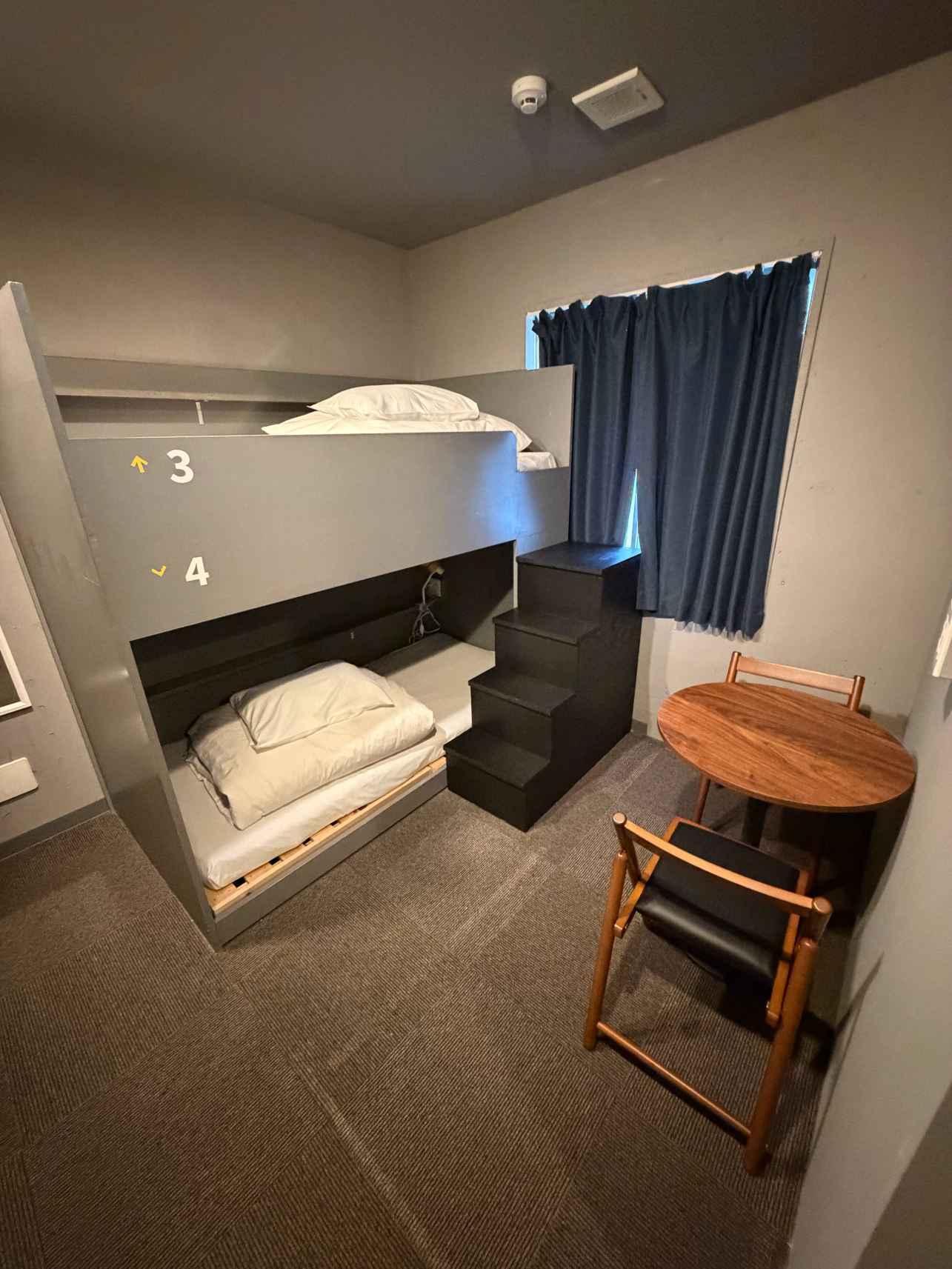
$41
Make use of convenient amenities, which include complimentary wireless internet access and a communal living room.
Featured amenities include laundry facilities and microwave in a common area.
 18
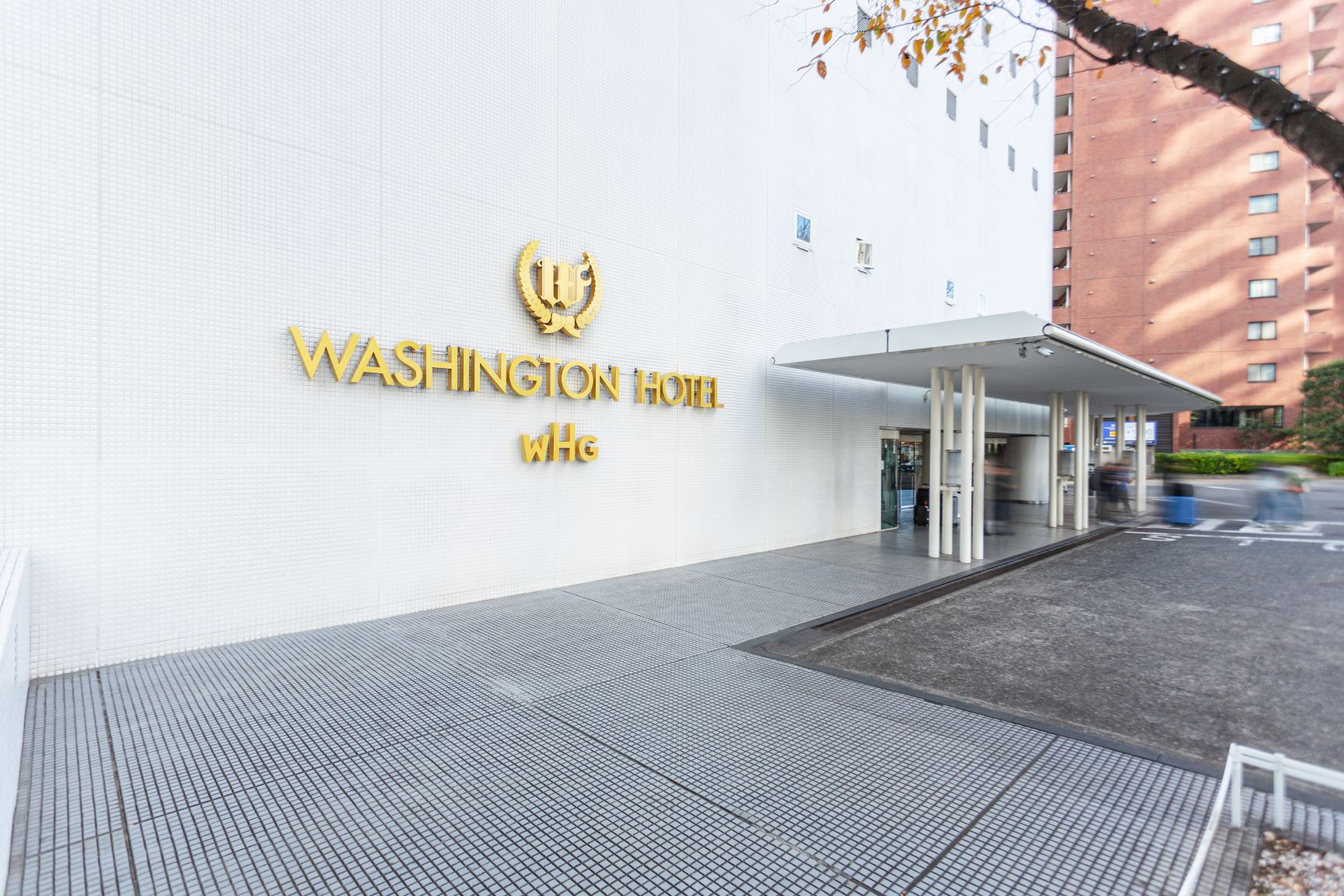
$79
This hotel has 25 floors in 1 building and offers designated smoking areas.
Grab a bite to eat at Manhattan Table, one of the hotel's many dining establishments, which include 15 restaurants and a coffee shop/cafe. Buffet breakfasts are served on weekdays from 7:00 AM to 10:00 AM and on weekends from 7:00 AM to 11:00 AM for a fee.
Featured amenities include dry cleaning/laundry services, a 24-hour front desk, and multilingual staff. Self parking (subject to charges) is available onsite.
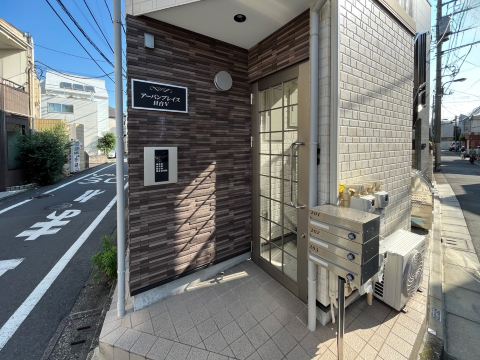
Make yourself at home in one of the 1280 air-conditioned rooms featuring refrigerators and LED televisions. Complimentary wireless Internet access keeps you connected, and digital programming is available for your entertainment. Private bathrooms with shower/tub combinations feature complimentary toiletries and bidets. Conveniences include phones, as well as desks and electric kettles.
 19
$0
Staff at this property's front desk can speak 3 languages, including English.
 20
$86
Make use of convenient amenities such as complimentary wireless Internet access, tour/ticket assistance, and a vending machine.
At New Otani Inn Yokohama Premium, enjoy a satisfying meal at the restaurant. Quench your thirst with your favorite drink at the bar/lounge. Buffet breakfasts are available daily from 7:00 AM to 10:00 AM for a fee.
Featured amenities include dry cleaning/laundry services, a 24-hour front desk, and luggage storage.
Make yourself at home in one of the 240 guestrooms featuring refrigerators and LCD televisions. Complimentary wired and wireless Internet access keeps you connected, and digital programming provides entertainment. Bathrooms have complimentary toiletries and hair dryers. Conveniences include phones, as well as safes and coffee/tea makers.
Recommended activities


Popular articles








Travel essentials
Pro Tips
- Get a Suica card on your phone. Tap trains, buses, and stores. No paper tickets.
- Carry cash. Many small shops and ramen places don't take cards.
- Rent pocket Wi‑Fi or get an eSIM at the airport. Free Wi‑Fi is spotty.
- Book Shibuya Sky and Skytree online a week early. Sunset slots vanish fast.
- Stand left on escalators. Keep quiet on trains.
- Queue at platform marks. Don't rush the doors.