Beijing Travel Guide
About Beijing
Explore the map of Beijing
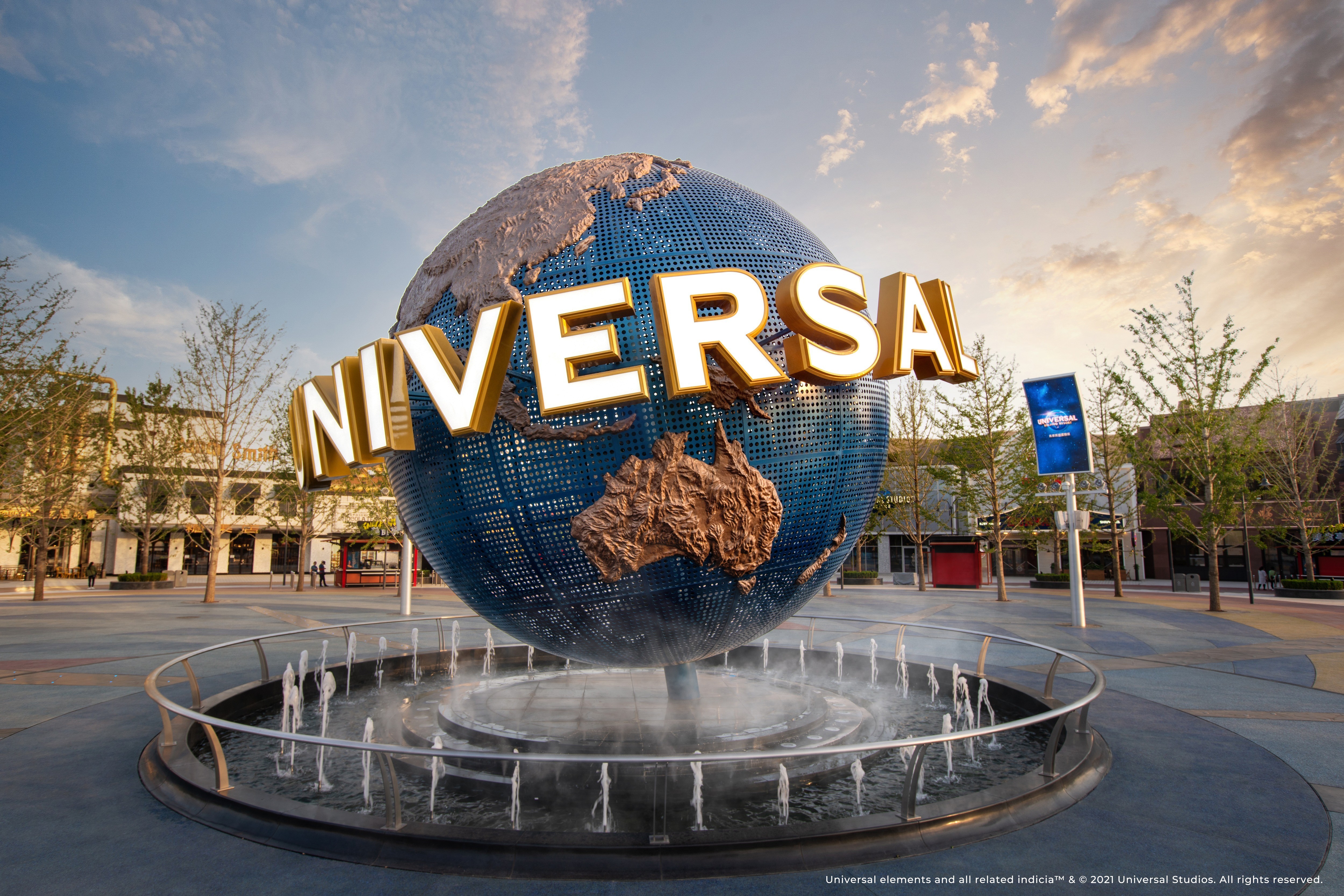
Universal Beijing Resort
Beijing Universal Studios is a highly anticipated theme park destination, including Universal Theme Park, Beijing Universal CityWalk, and two resort hotels. It features brand new selected Attraction and includes popular entertainment facilities and attractions from Universal Theme Parks around the world.
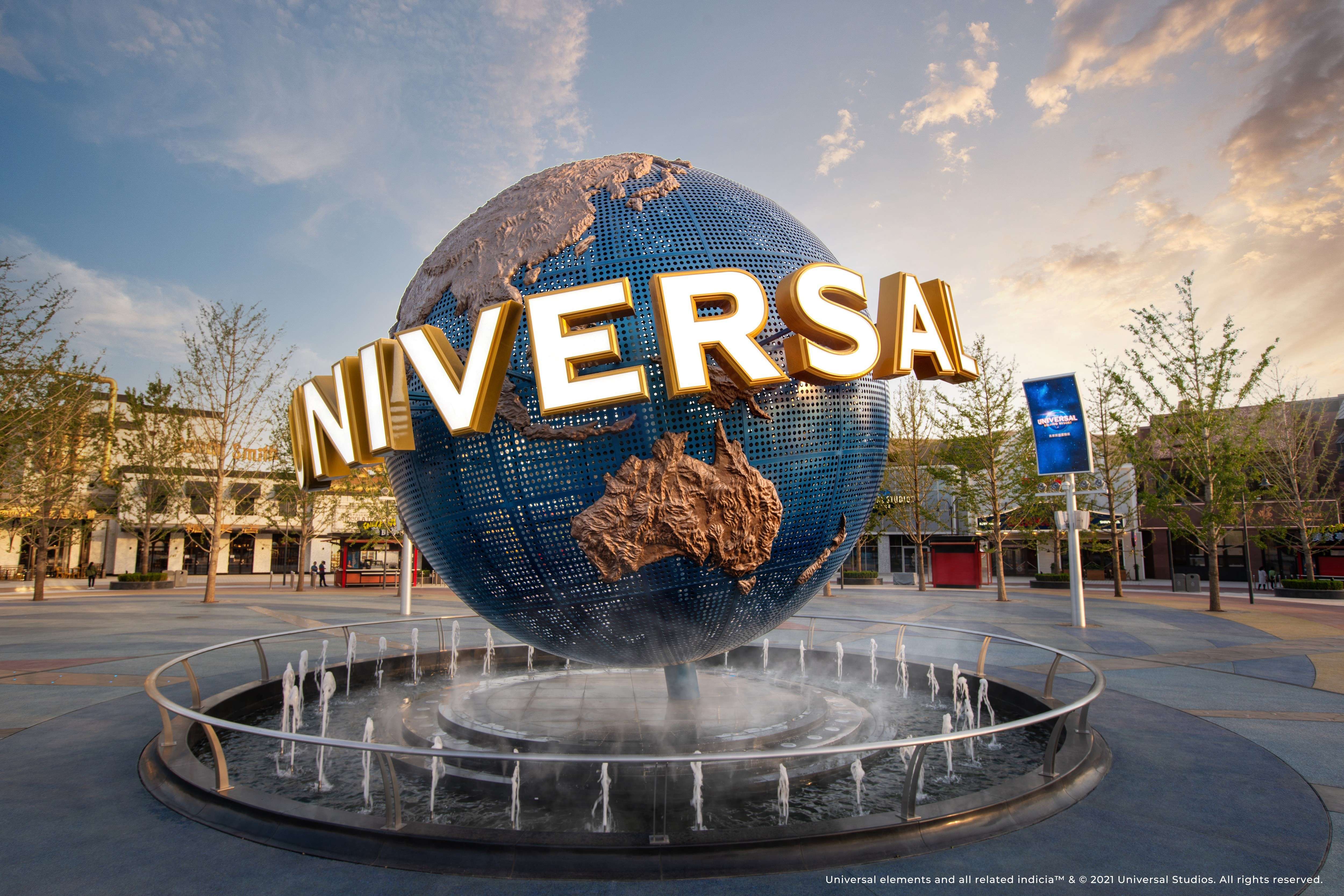
▲Universal Studios Beijing: Blending Chinese cultural elements to create a unique experience, it has seven theme Attraction, 37 rides and entertainment facilities and landmark attractions, 24 performances, 80 Dining and 30 retail stores.
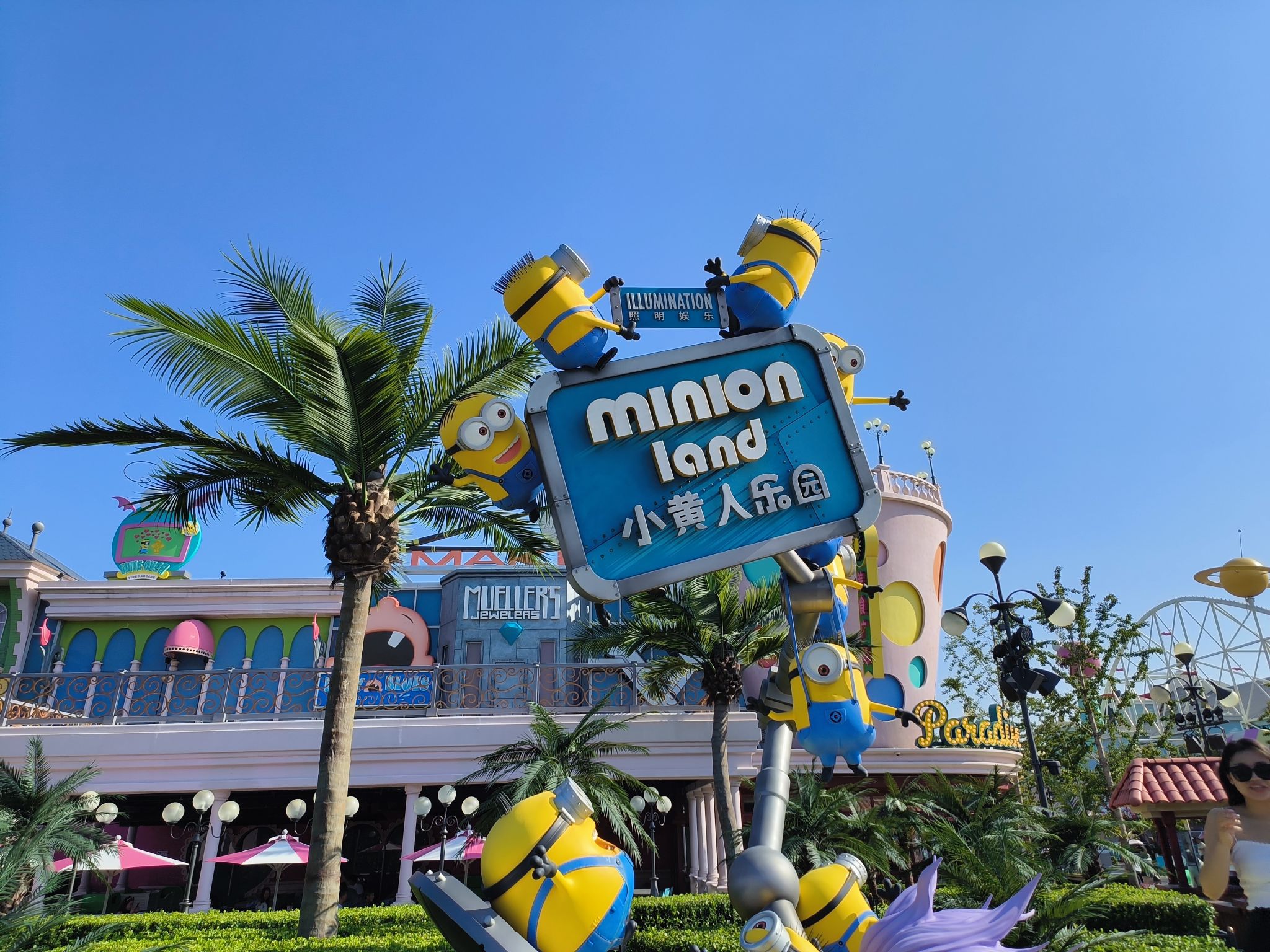
▲Minion Land: It is a colorful world full of joy! At this moment, these naughty Minions are walking around the streets, ports and city centers, having fun all over the world without restraint! At the same time, Gru is also recruiting soldiers for the Minions Army, so hurry up and sign up at Gru's house!
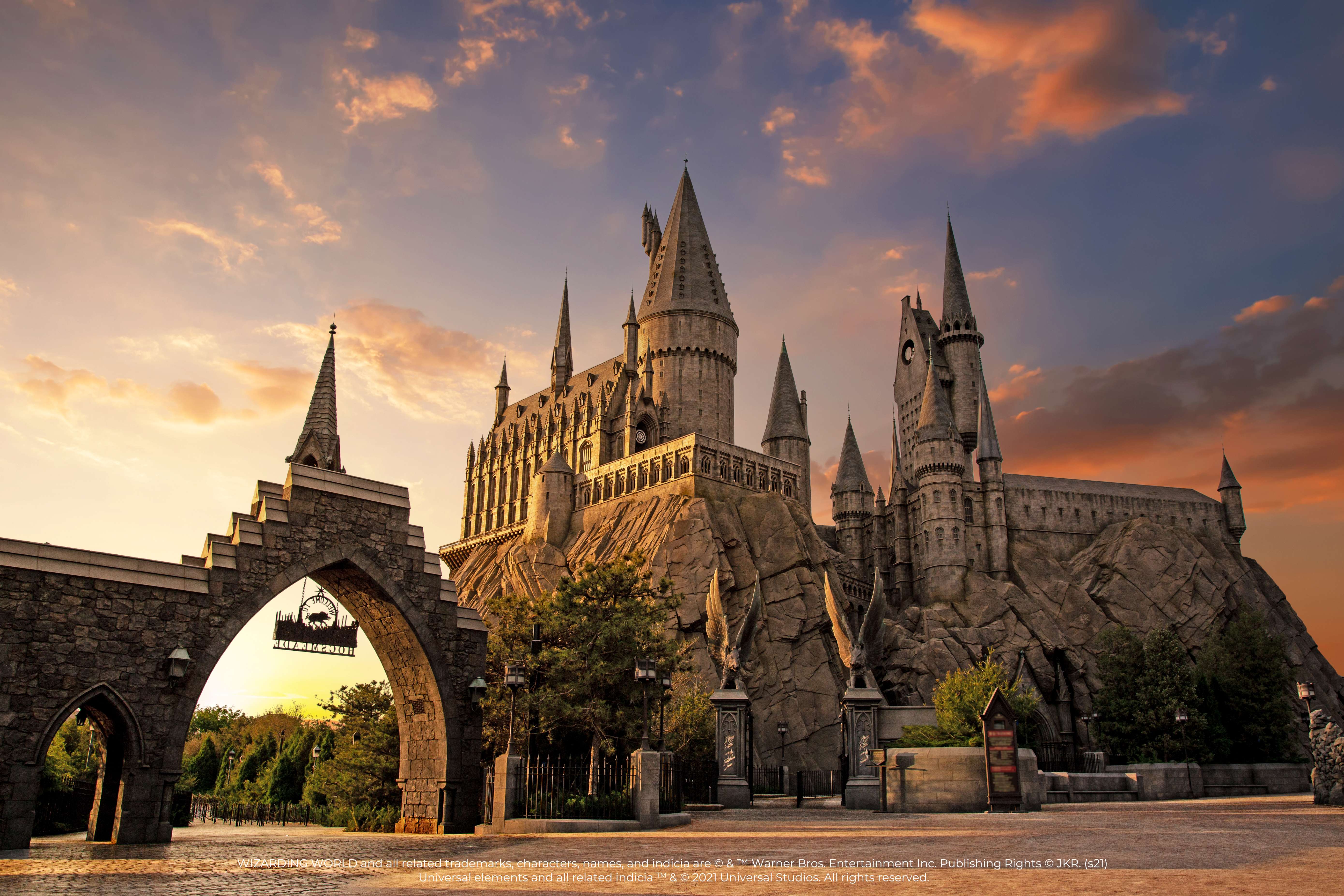
▲The Wizarding World of Harry Potter™: Here you can leave the ordinary world behind and experience the wonderful rides and endless magical adventures, which will lead you step by step into a thrilling and interesting magical world!
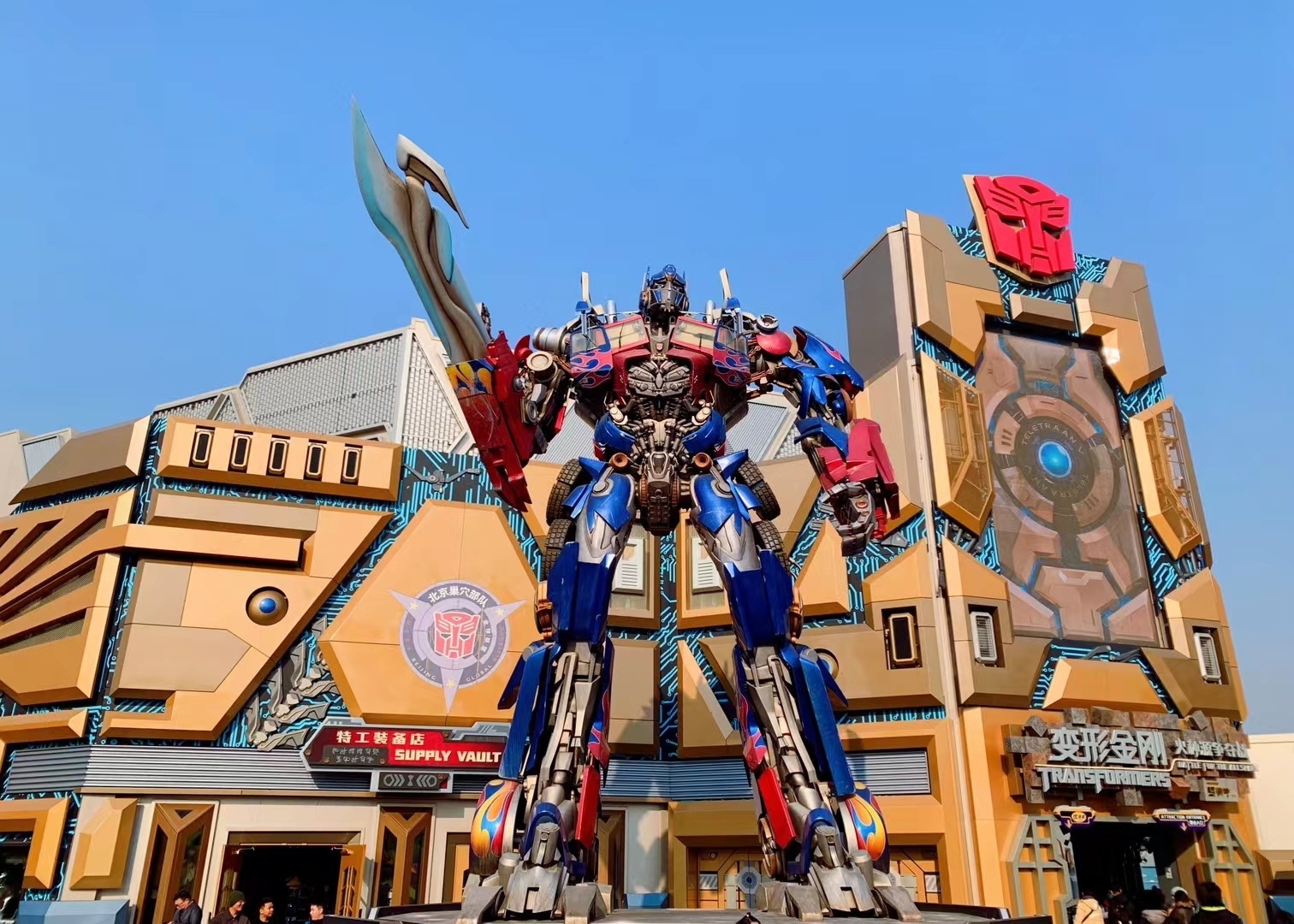
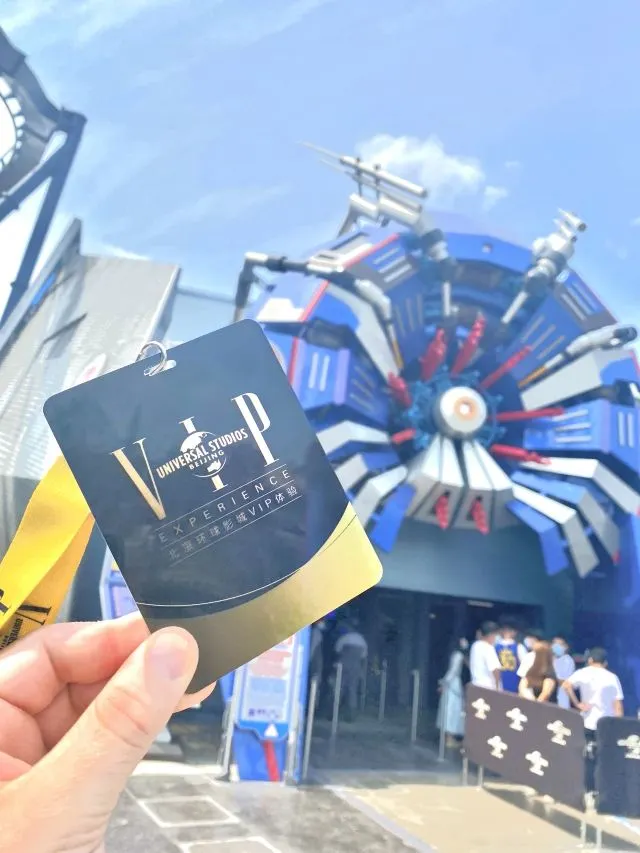
▲Transformers Metrobase: This is a Cybertron-style base, which is transformed by Transformers the size of a city. If you are ready to become an agent, then accept Optimus Prime's recruitment, join the Beijing Nest Force, fight side by side with the Autobots, and fight against the Decepticons to protect the earth!
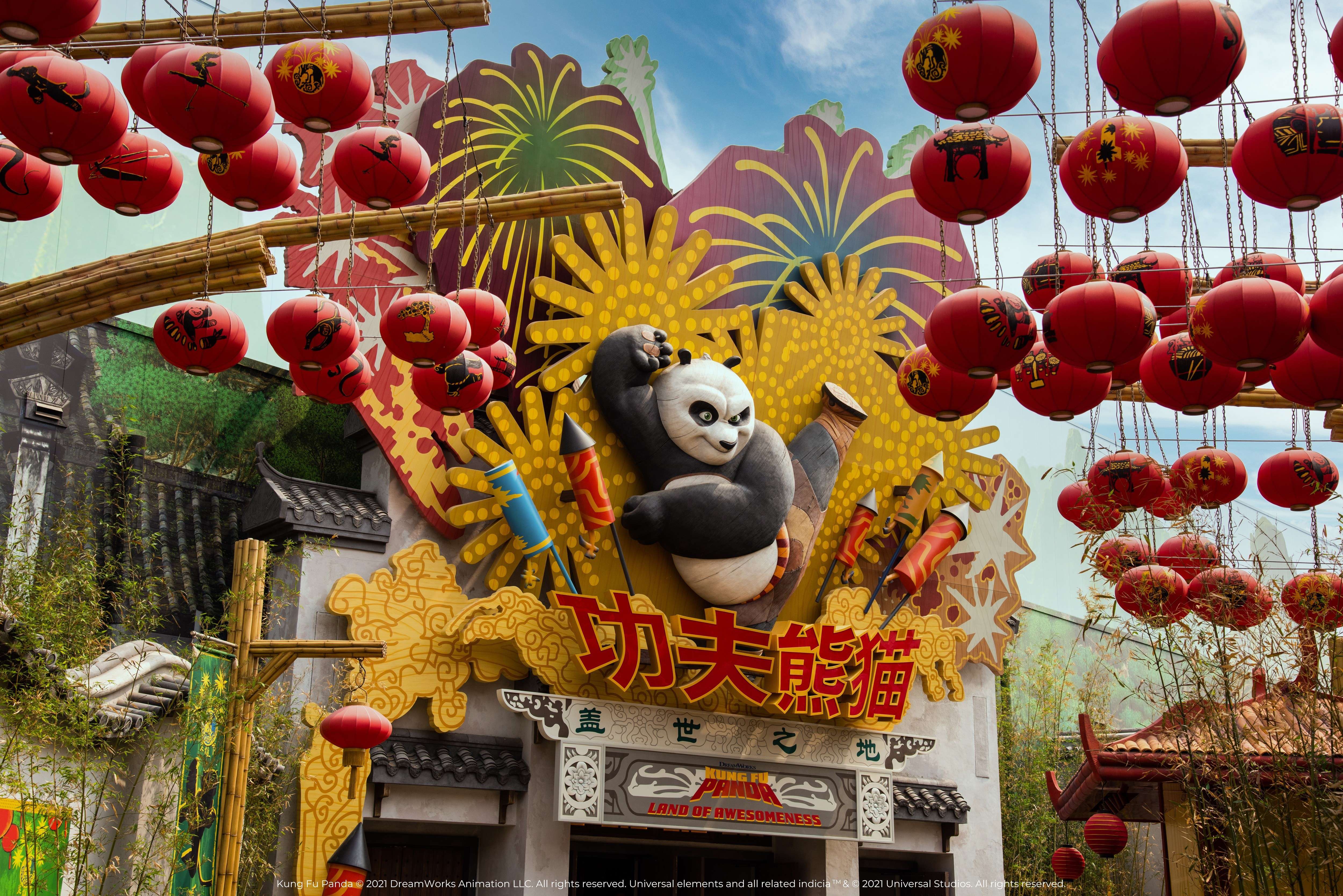
▲Kung Fu Panda Land of Awesomeness: This is an ancient place like a paradise, and also a legendary place that combines the beauty of nature and craftsmanship. Come here to explore your own Kung Fu!
There's also Jurassic World Isla Nublar, Hollywood, and Waterworld waiting for you to explore!
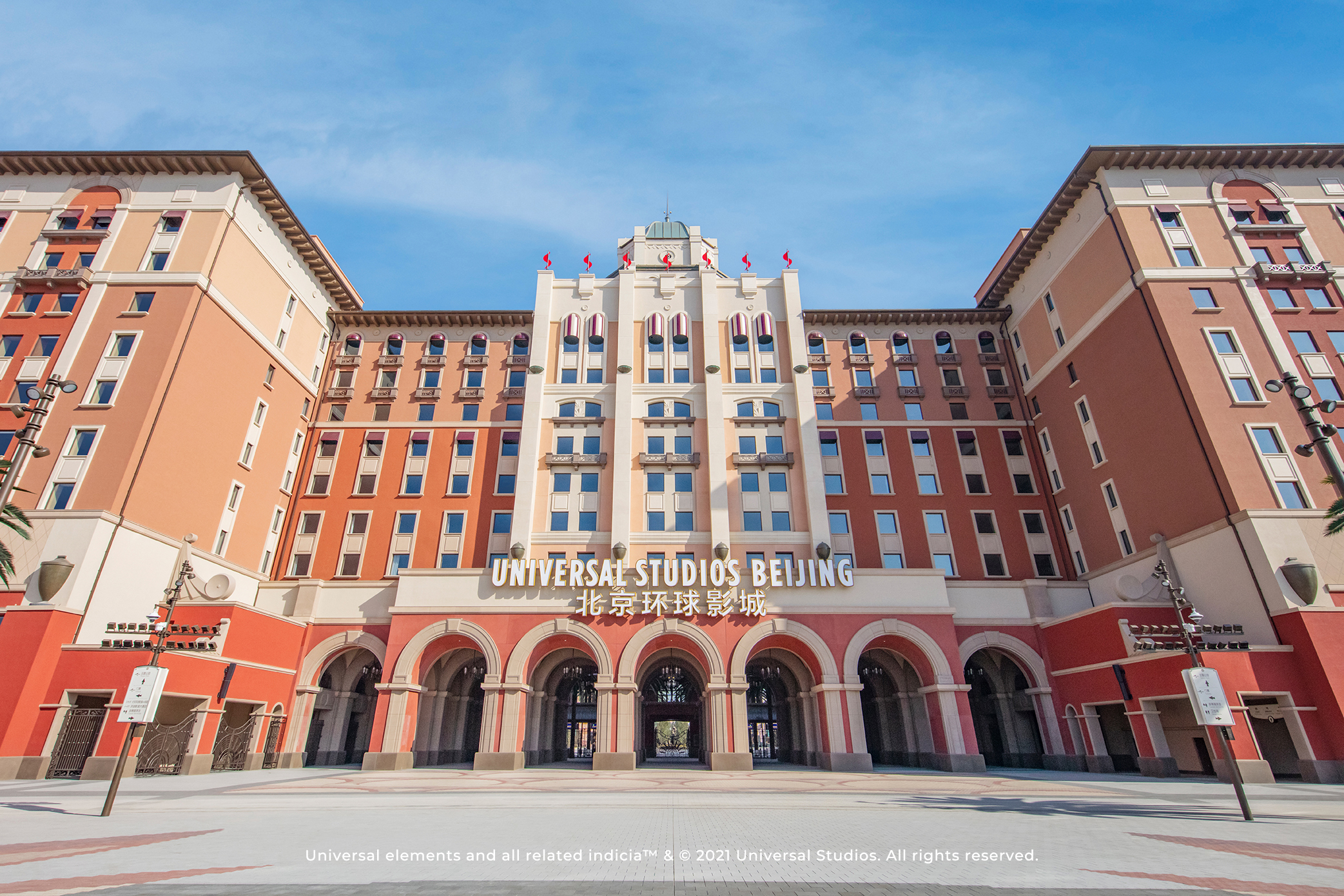
▲The Universal Studios Grand Hotel
The Universal Studios Grand Hotel is located at the entrance of Universal Studios Beijing and offers Hollywood-themed accommodation and the privilege of Early Park Admission via the Universal Studios Beijing VIP Experience entrance; NUO Resort Hotel is a 5-minute walk from the entrance. Guests can enjoy a well-equipped fitness center, indoor swimming pool, and spa center (NUO SPA). Guests can also enjoy Early Park Admission via the Universal Studios Beijing VIP Experience entrance. Both hotels combine themed features with high-end facilities to create an immersive vacation experience.
Badaling Great Wall
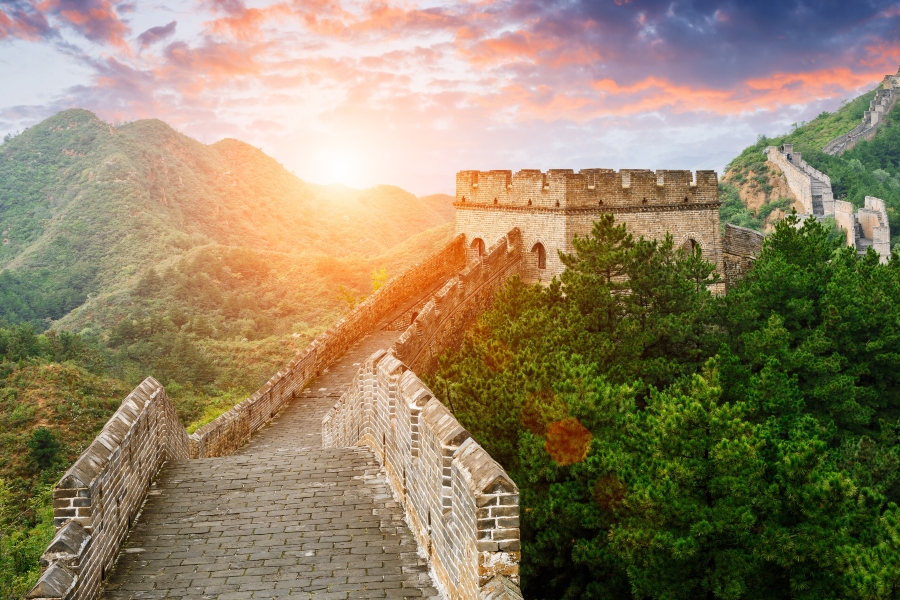
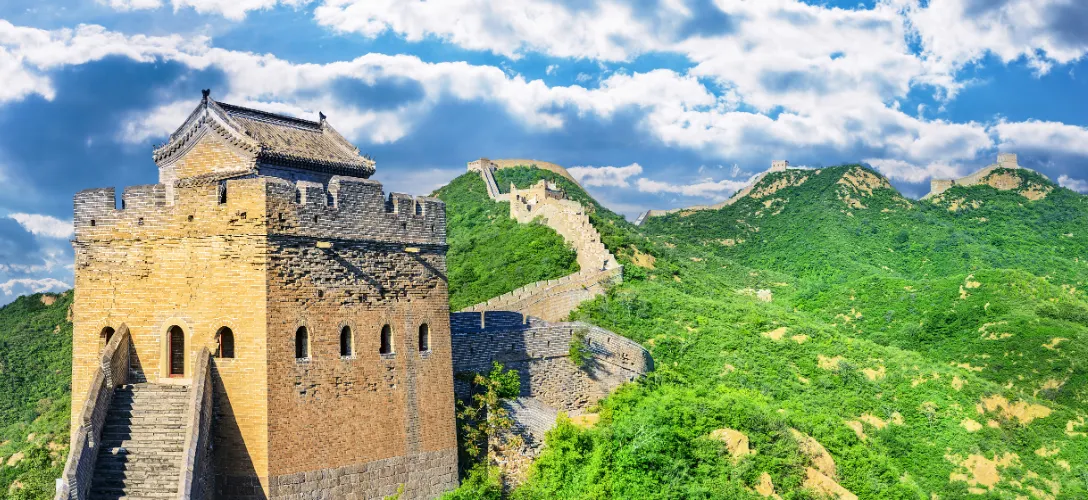
The Badaling Great Wall is renowned as one of the Nine Strategic Passes under heaven, combining majestic cliffs with picturesque greenery to form the most spectacular section of the Ming Dynasty fortifications. Living up to the Chinese saying "He who has never been to the Great Wall is not a true hero," this remains the premier choice for most Chinese visitors to experience the Wall.
The fortress gate exhibits a trapezoidal shape, narrower on the east and wider on the west, featuring two gate towers. The eastern arch bears the inscription "Juyong Waizhen" (Frontier Town of Juyong), while the western gate displays "Beimen Suoyue" (Key to the Northern Gate). North of the fortress stretches the 12-tower Northern Wall section, while to the south lies the less crowded Southern Wall with 7 watchtowers. If time permits, we recommend exploring the Southern Wall first before tackling the more popular Northern section.
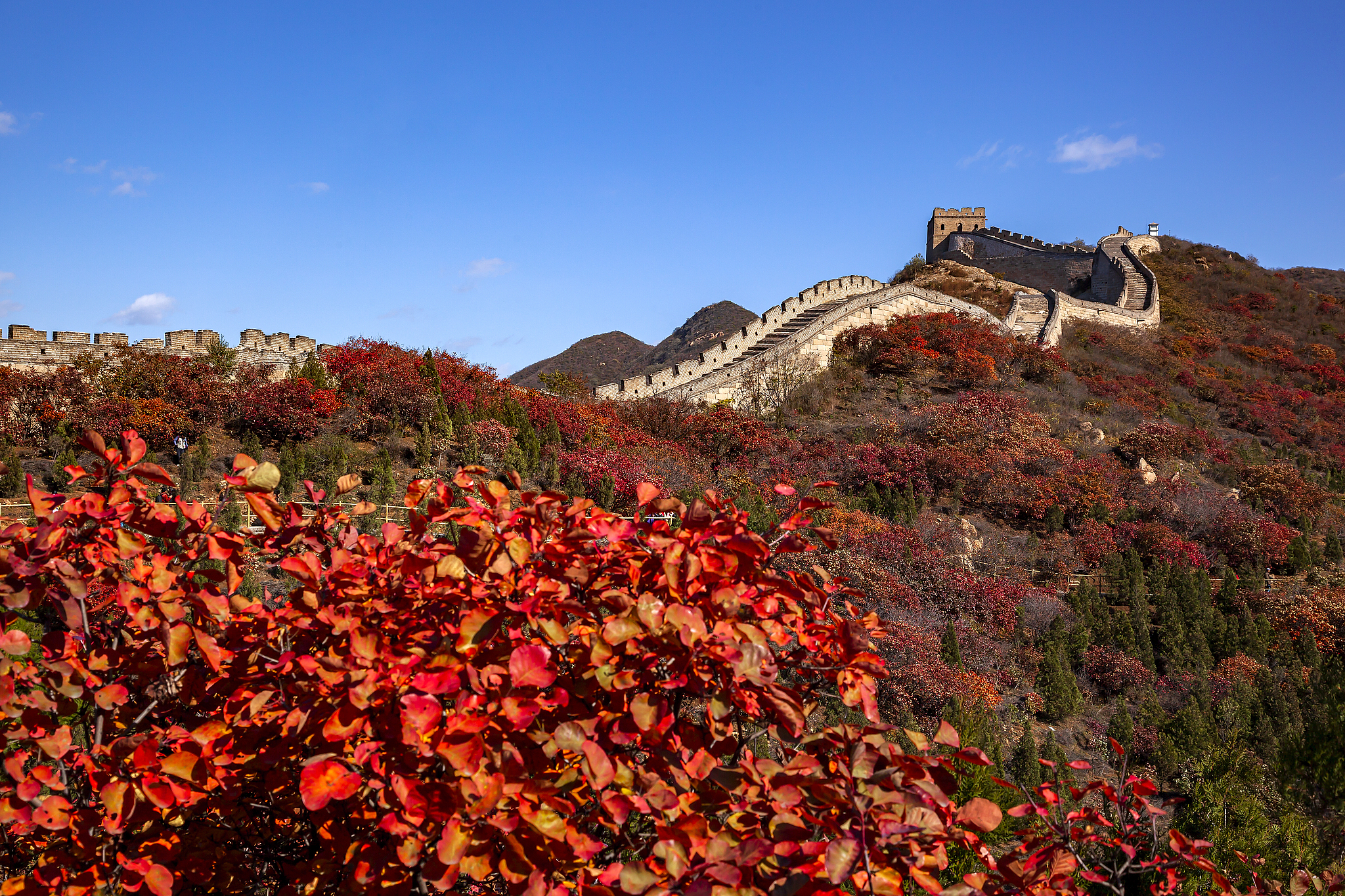
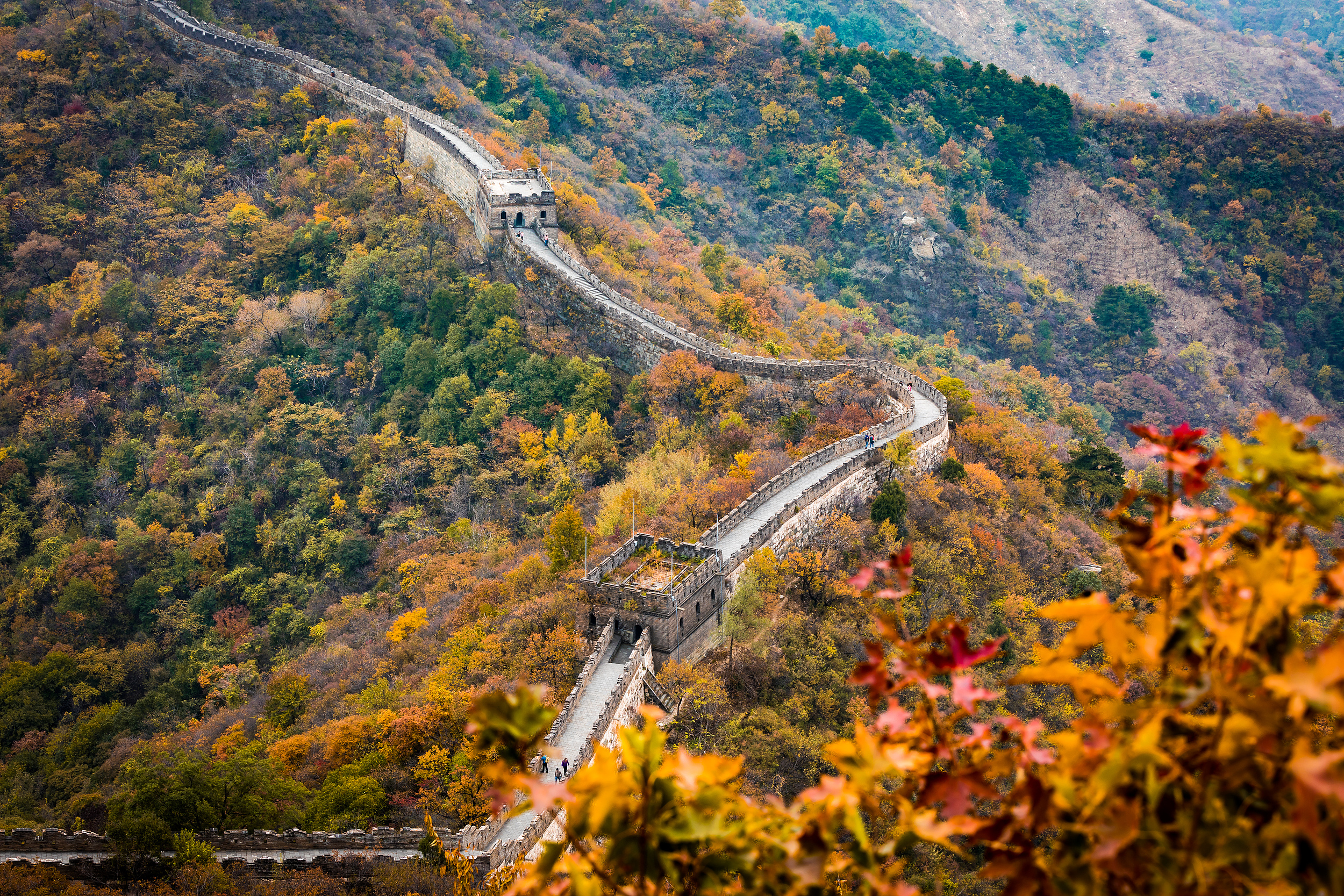
▲ Walk Through Six Centuries of Golden History: A Visual Feast of Vermilion Foliage Blanketing the Great Wall
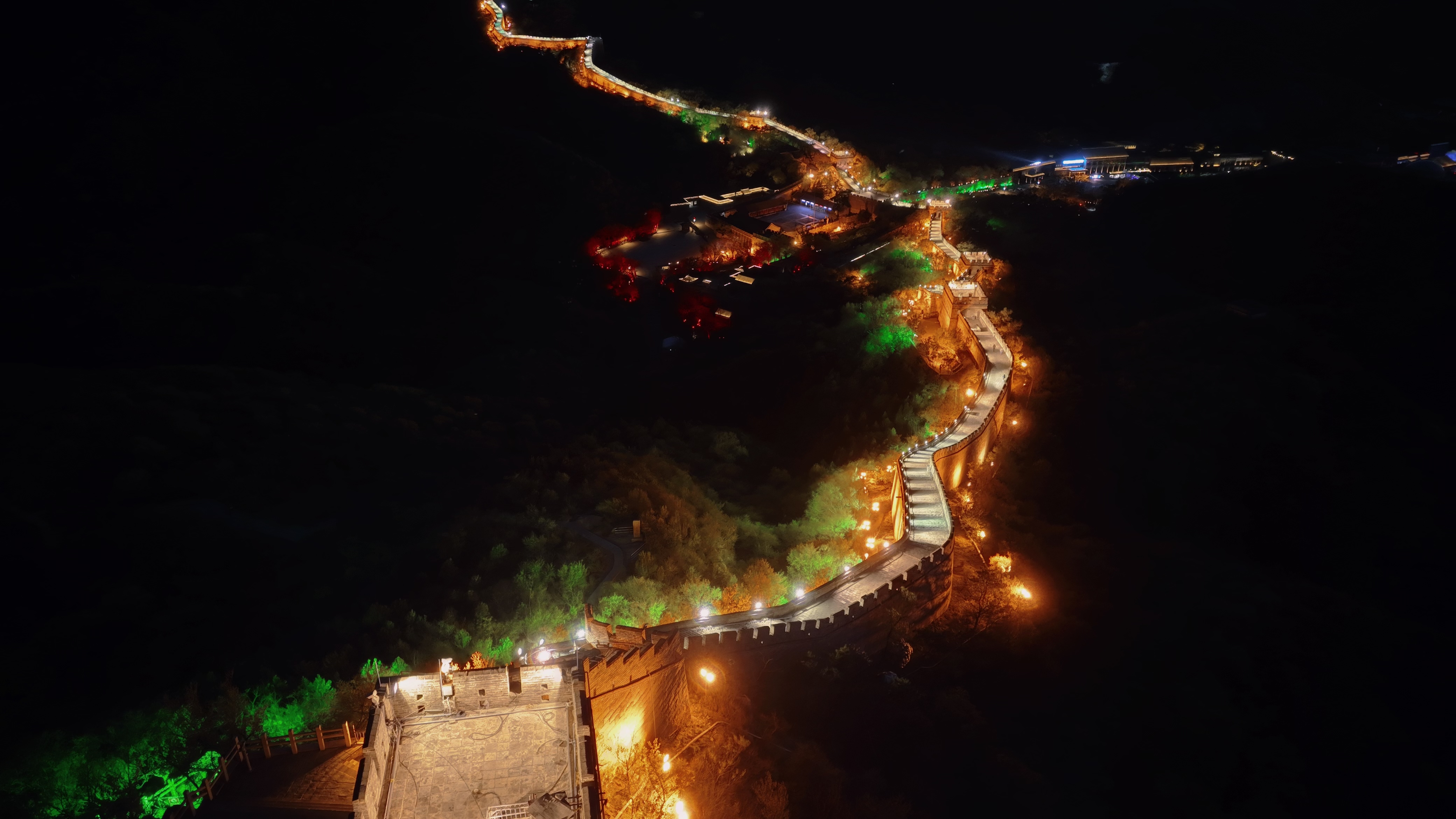
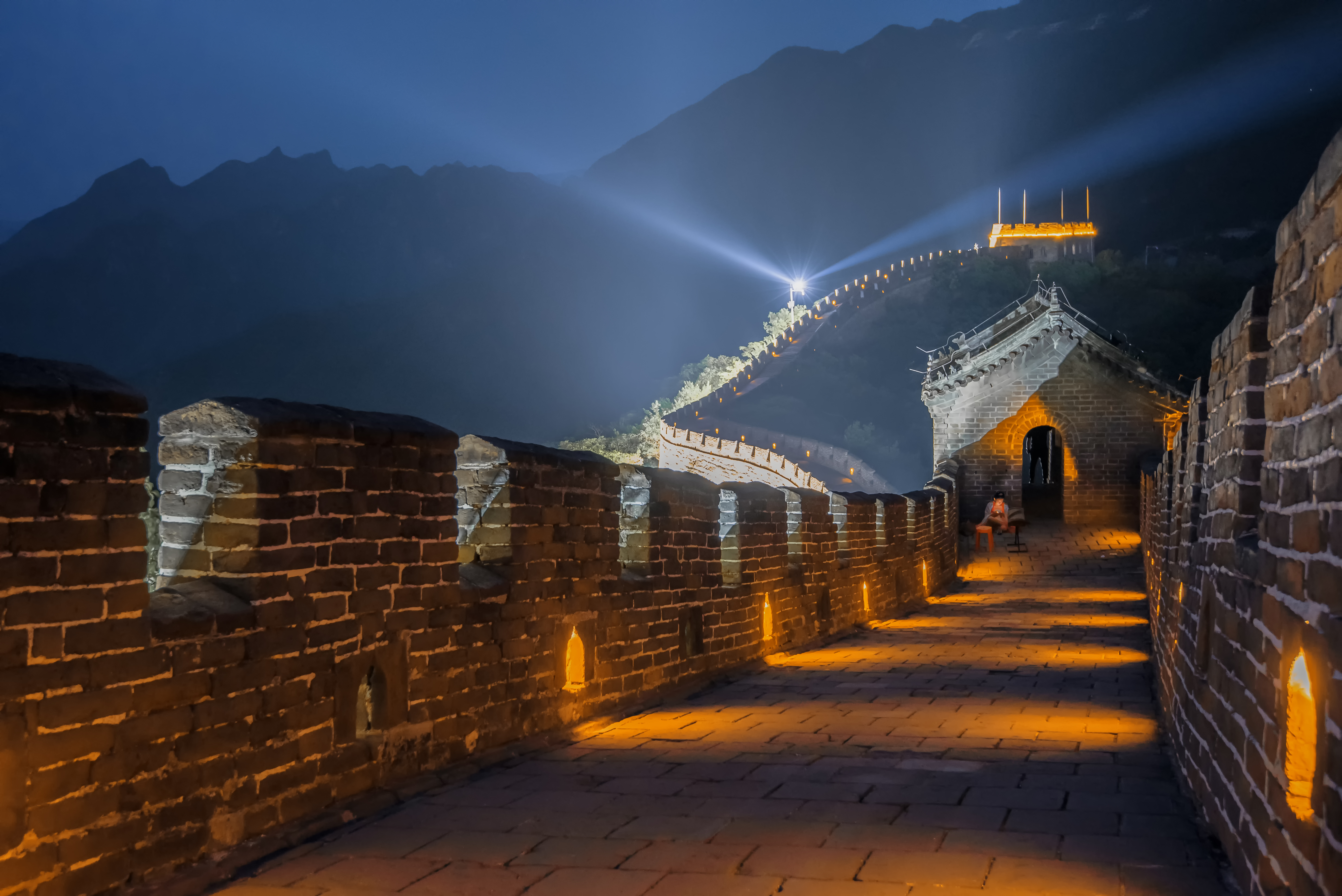
▲ As night descends, the Badaling Great Wall transforms into a gilded dragon winding through shadowed peaks, its illuminated battlements whispering tales of millennia - where imperial splendor meets enduring mystery beneath constellations of golden light.
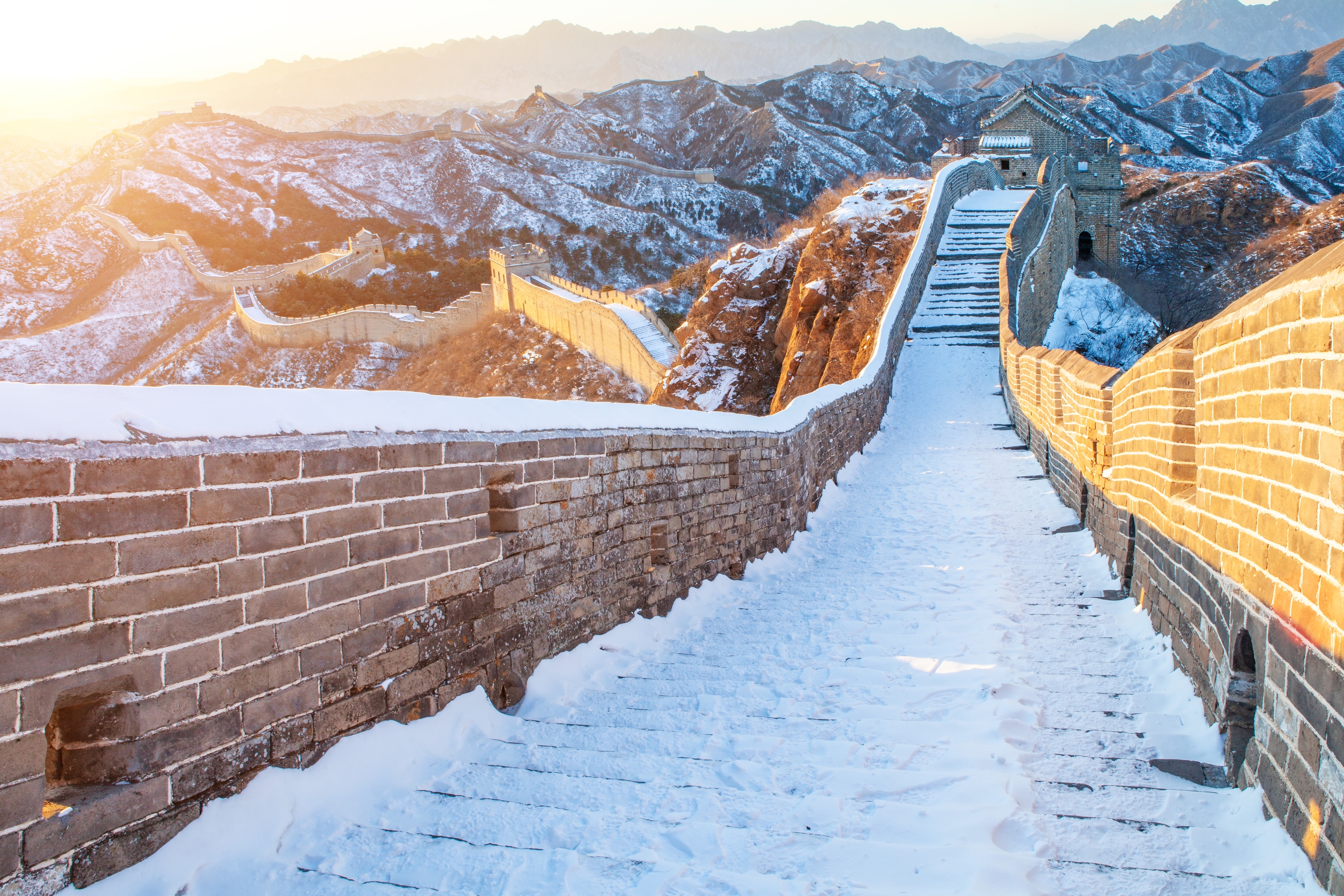
▲ Cloaked in winter's crystalline mantle, the Badaling Great Wall becomes a silver serpent coiled between snow-draped peaks, its ancient stones gilded by dawn's golden rays
The Palace Museum
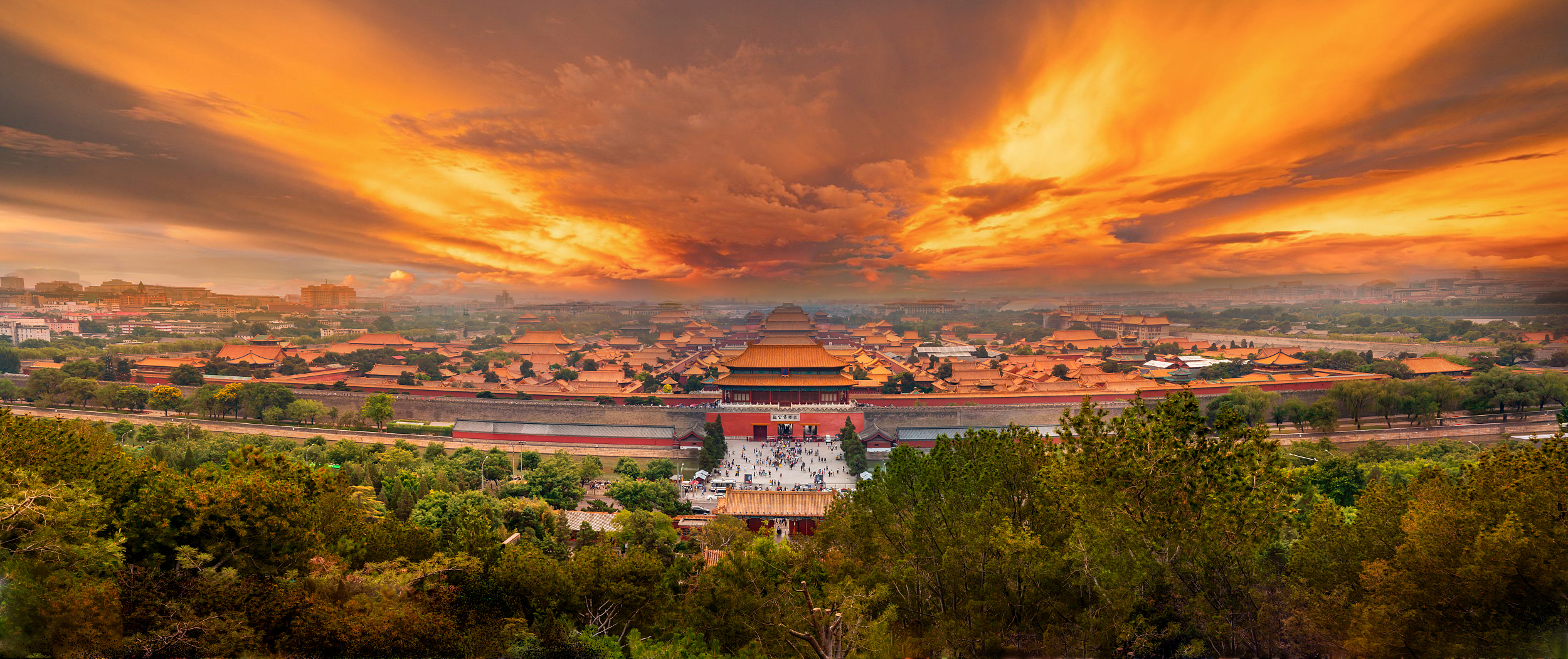
The Forbidden City, also known as the Imperial Palace, was the imperial palace of the Ming and Qing dynasties, and is also the symbol of ancient China. When you are in the majestic and orderly high walls and deep courtyards, you can truly feel its former glory.
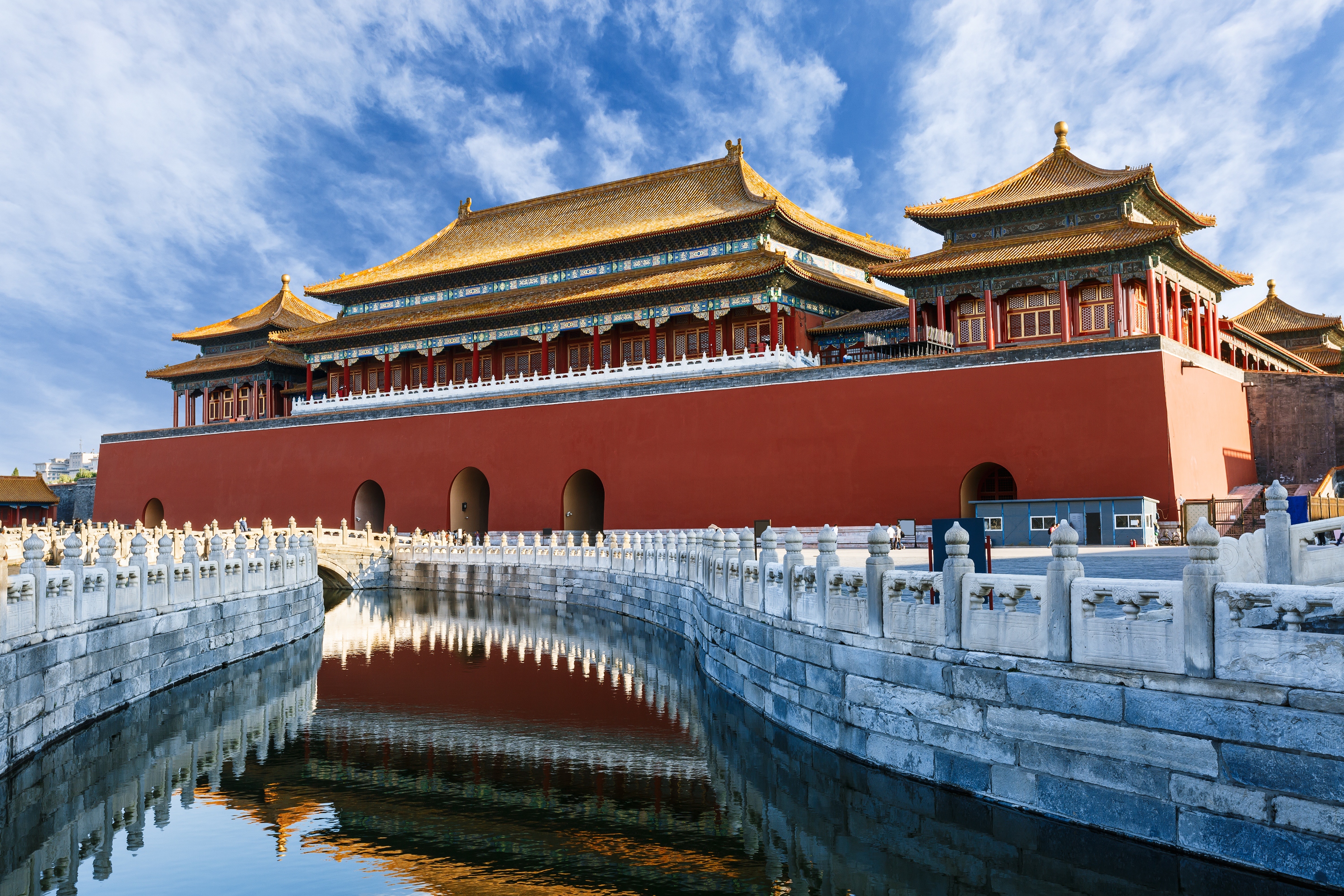
▲The long history has left behind large-scale precious buildings and countless cultural relics, which have also become the main attraction of visiting the Forbidden City today.
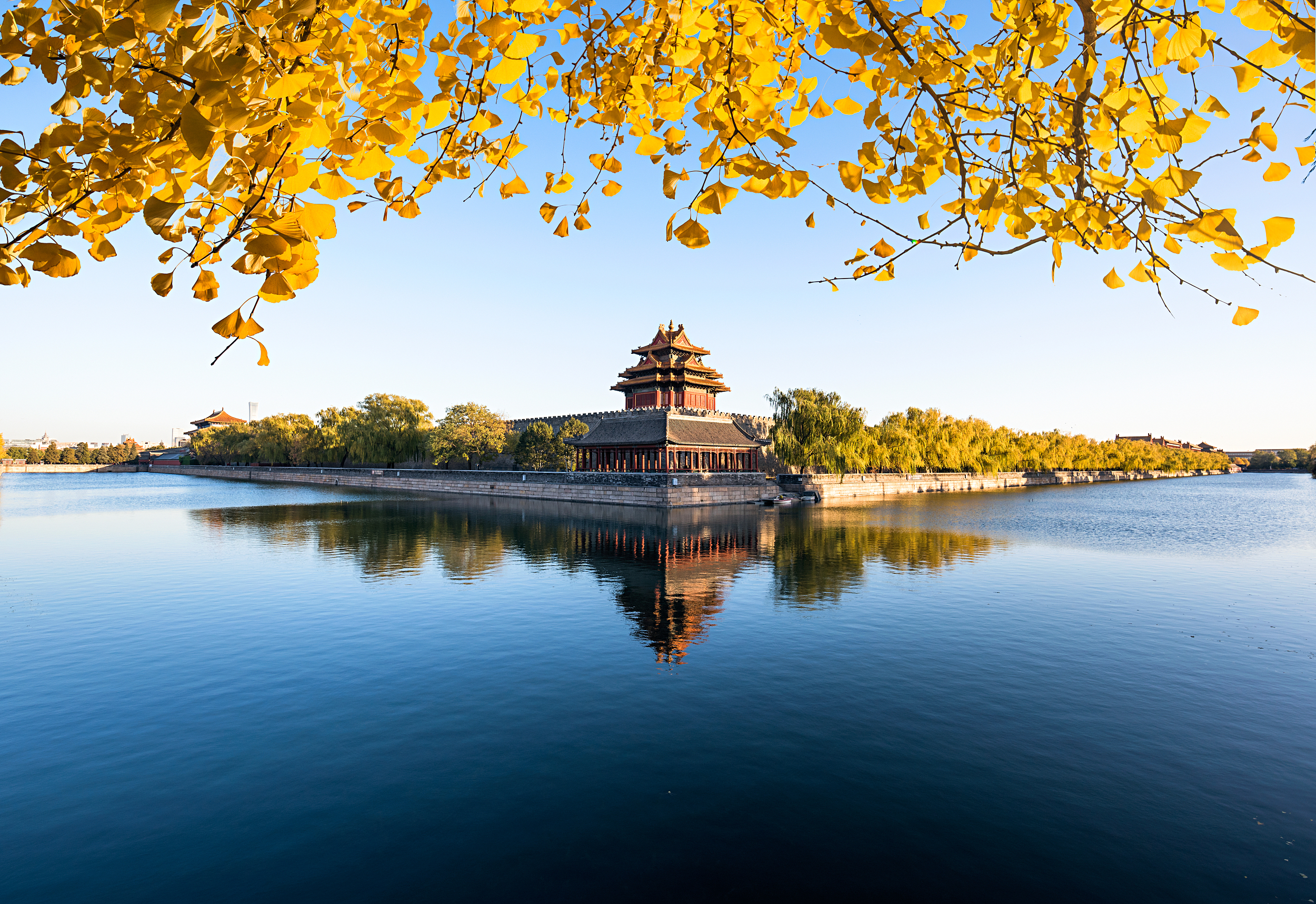
▲Classic attractions: The Forbidden City Corner Tower is a polygonal building with a convex plane on all four sides. It is located in Dongcheng District, Beijing. The roof has three layers. The upper layer is a hip roof with vertical and horizontal intersections. It is composed of a gable roof with flowing water on two slopes and a hip roof with four slopes. Because there are nine main ridges on this roof, it is called the Nine-ridge Hall.
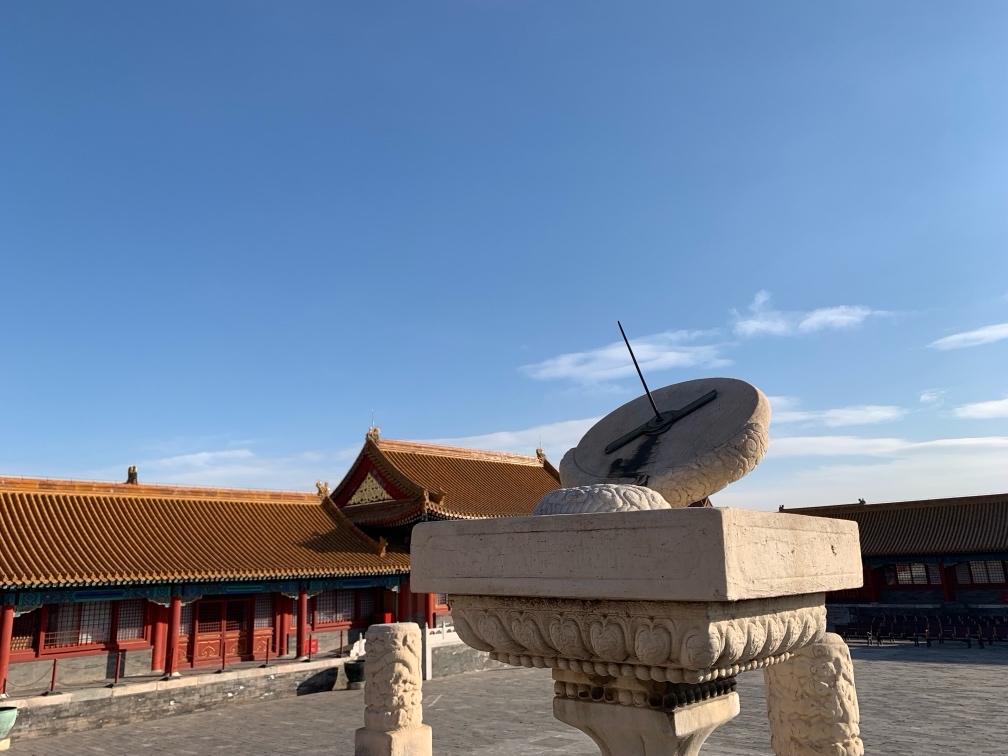
▲Sundials are divided into two types according to their installation principle: equatorial and horizontal. The sundial installed using the equatorial principle is called an equatorial sundial. The key points of its production are that it must have a time plate, a latitude arc and a gnomon. When operating, the time plate must be parallel to the equatorial plane of the earth, the gnomon must be in the same direction as the earth's axis, and the shadow cast by the gnomon on the gnomon is the desired time.
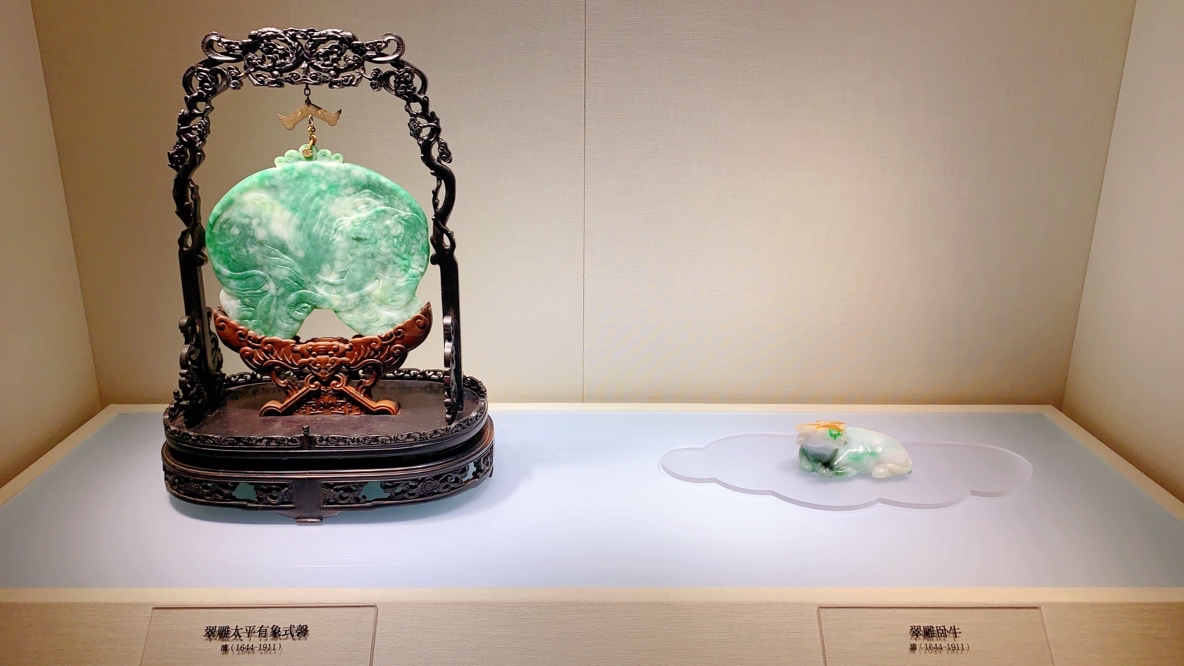
▲The Treasure House is located in the Ningshou Palace area. It has a rich collection of treasures, including Buddhist supplies, ornaments, daily utensils, and treasures for appreciation. Among them, the red coral lion about 14 cm high, the Dongzhu court beads about 130 cm long, and the gold "Fengtianzhibao" seal are all rare treasures.

▲The Clock and Watch Museum is located in the Fengxian Hall in the palace. Most of the clocks on display are British products, but there are also clocks from other countries such as France and Switzerland. In addition to the timing function, these clocks are decorated with figures, birds, beasts, flowers, etc., which can also make various different movements. They are very delicately made. Among them, the copper-plated gilded writing clock, the copper-plated gilded enamel gourd-top fishing and woodcutting farming clock, and the copper-plated gilded rotating flower running man rhinoceros carrying clock are very rare.
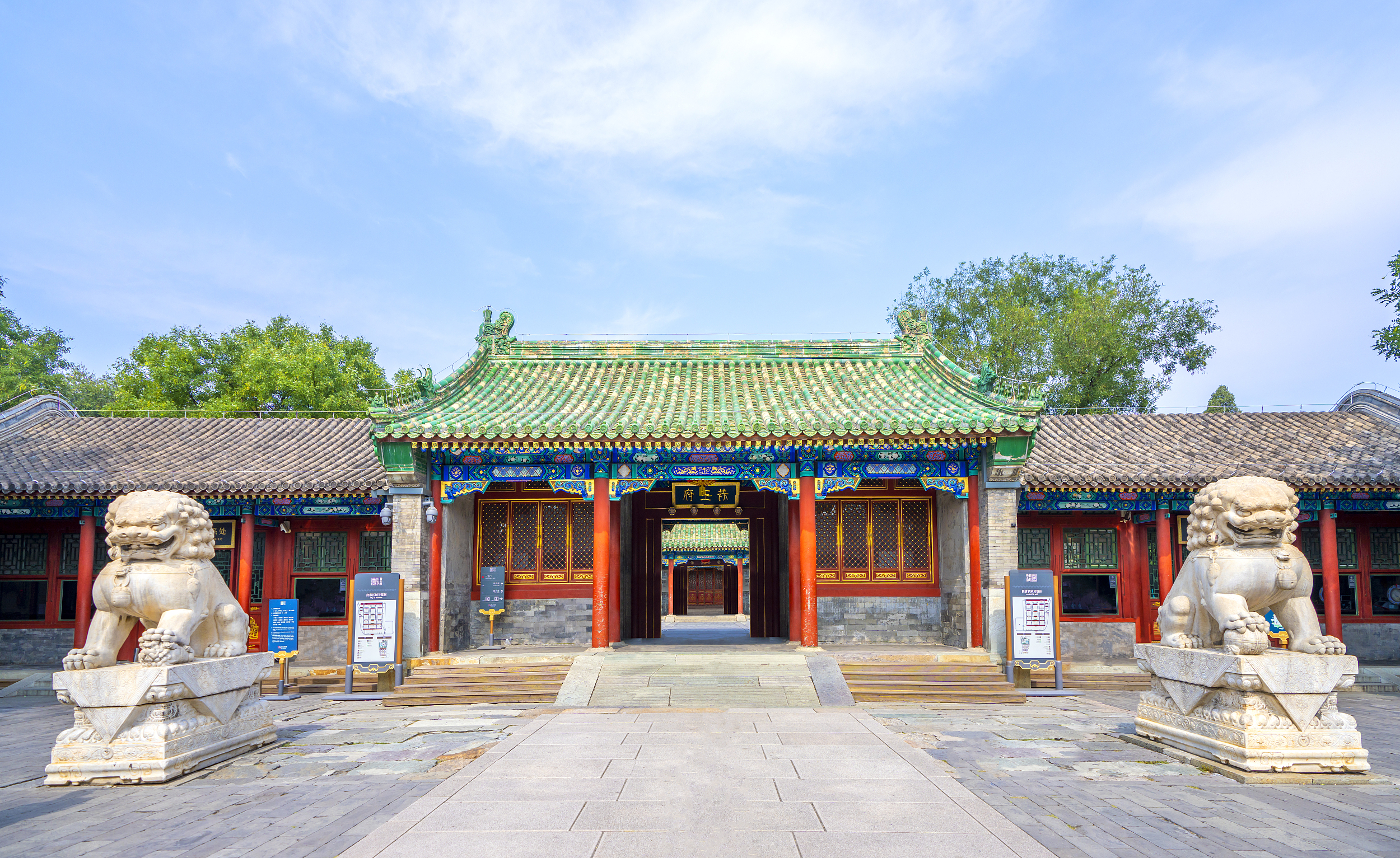
Prince Kung's Palace Museum
Prince Kung's Palace Museum is located by the Shichahai lakeside and stands as one of the best-preserved princely mansions from the Qing dynasty in Beijing. It originally served as the residence of Heshen, a powerful official during Emperor Qianlong's reign. After Heshen's downfall, the property was granted to Prince Qing Yonglin, and later to Prince Gong Yixin during the Xianfeng era, hence the name "Prince Kung's Palace." This mansion witnessed the entire decline of the Qing dynasty, earning the saying "One Prince Kung's Palace, half the history of the Qing dynasty." The complex features a mansion in the front and a garden at the rear, both laid out along central, eastern, and western axes with meticulous order and grandeur.
The mansion consists of multiple siheyuan courtyards connected along a central axis: The central Yinan Hall, roofed with green glazed tiles, follows the specifications of a prince's main hall. On the eastern route, the two-courtyard complex of Ledao Hall and Duofu Pavilion once served as the residence of Heshen's son Fengshen Yinde and Princess Hexiao of the Gulun rank, with Ledao Hall later becoming Prince Gong's living quarters. The western route features delicate refinement, with Xijin Study standing out particularly – its partitions are entirely made of exquisitely carved nanmu wood, modeled after the Ning Shou Palace in the Forbidden City. This extravagant construction later became one of Heshen's listed crimes. At the mansion's end stands a two-story elongated building commonly called "Ninety-nine and a half rooms," its rear wall punctuated by a row of variously shaped decorative windows. Legend claims this was the treasure vault and marks the boundary between mansion and garden.
The garden, named Cuijin Garden, was reconstructed by Prince Gong's commissioned artisans, blending the charm of Jiangnan landscapes with northern architectural layouts. Its three marvels are the Western-style gate carved from white marble, the stele inscribed with the character "Fu" (blessing) by Emperor Kangxi, and the grand all-wood theater. Hidden in the Secret Cloud Cave within rockeries, the "Fu" stele conceals wishes for numerous descendants, abundant harvests, talent, longevity, and blessings in its strokes—easily missed if one isn't attentive. The theater, an enclosed wooden structure, reportedly projects vocals throughout without amplification. Bat motifs dominate the garden's "blessing" theme: the Bat Pool, Bat Hall, and painted beams interplay harmoniously. From the Moon-Inviting Platform, visitors overlook the entire garden, while the Winding Stream Pavilion preserves the refined legacy of ancient floating wine cup poetry.
When touring, you may first follow the central axis to see the mansion, then pass through the western gate to enter and appreciate the garden in detail. There are usually more travelers visiting during holidays, so it's advisable to start early and allow enough time to slowly savor the history and details of this princely mansion.
Mutianyu Great Wall
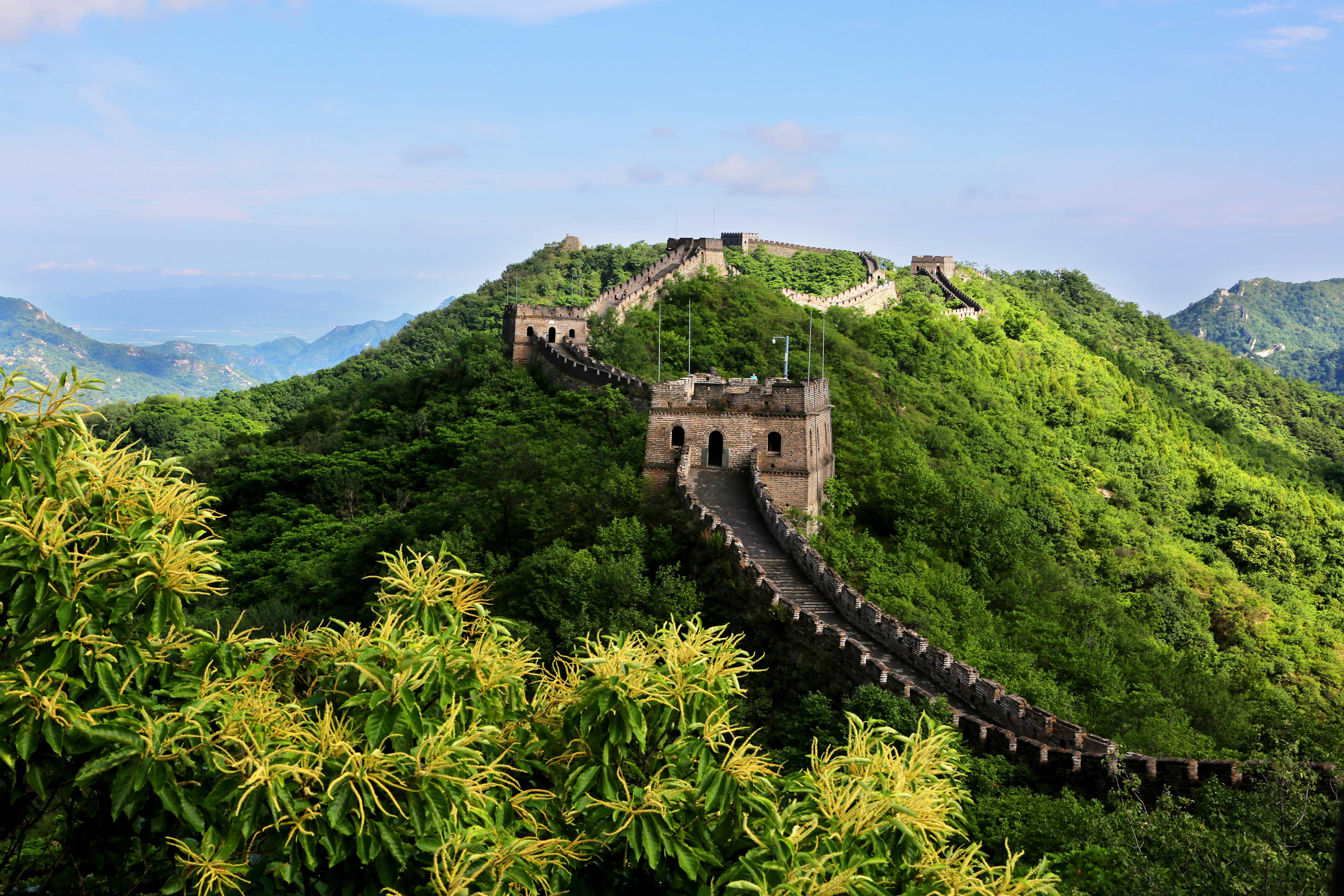
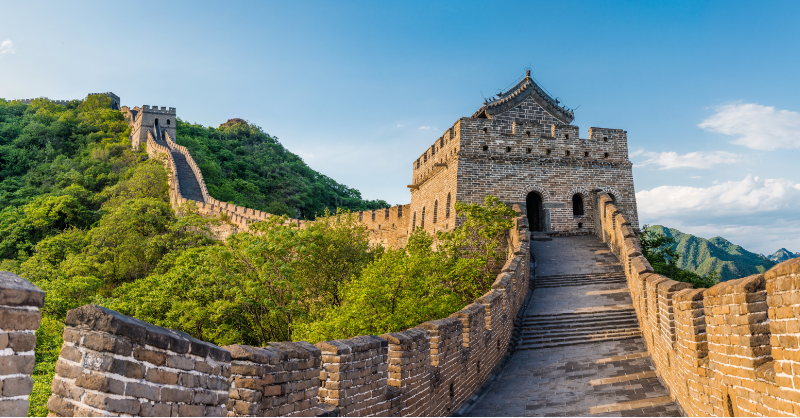
The Mutianyu Great Wall is nestled among the Yanshan mountain ranges in Huairou, Beijing. It is one of the best-preserved and most picturesque sections of the Ming Dynasty Great Wall, renowned as "the finest segment of the ten-thousand-li Great Wall." Its construction traces back to the Northern Qi Dynasty's wall, with General Xu Da overseeing its reconstruction on the Northern Qi ruins during the early Ming Dynasty. The Mutianyu Pass was established in 1404 (the 2nd year of the Yongle reign), and further renovations were conducted under Tan Lun and Qi Jiguang during the Longqing era. The brick-and-stone walls and watchtowers seen today are largely Ming-era structures. Along the Ming Great Wall defense line, this section connects Juyong Pass to the west and Gubeikou to the east, serving as a vital military stronghold guarding the capital since ancient times.
This section of the Great Wall has distinctive architectural features: the Zhengguan platform uniquely clusters three watchtowers together, with its gate unusually positioned on the eastern side rather than centrally—a rare design in Great Wall construction. Unlike most sections fortified only on the outer side, its crenellations line both flanks, reflecting strategic considerations for dual-front defense. Between the eastern vantage point at Dajiao Tower and Zhengguan platform, watchtowers stand densely within just a few hundred meters. From Dajiao Tower's summit, the wall snakes along mountain ridges amid verdant peaks, offering panoramic views and prime photography spots—a location featured in the film If You Are the One 2.
This area has over 90% forest coverage on its mountains. In spring and summer, lush greenery fills the view; in late fall, red leaves blanket the hills; and in winter, snow drapes the landscape in silver—each season offers unique scenery. You can take a cable car or ropeway uphill, then switch to an open slide through the forest for a fun and effortless descent. Compared to other open sections of the Great Wall in Beijing, this area sees fewer crowds, making it ideal for a half-day visit. Walk leisurely between watchtowers and look back from different vantage points to capture varied perspectives of the wall and surrounding mountains.
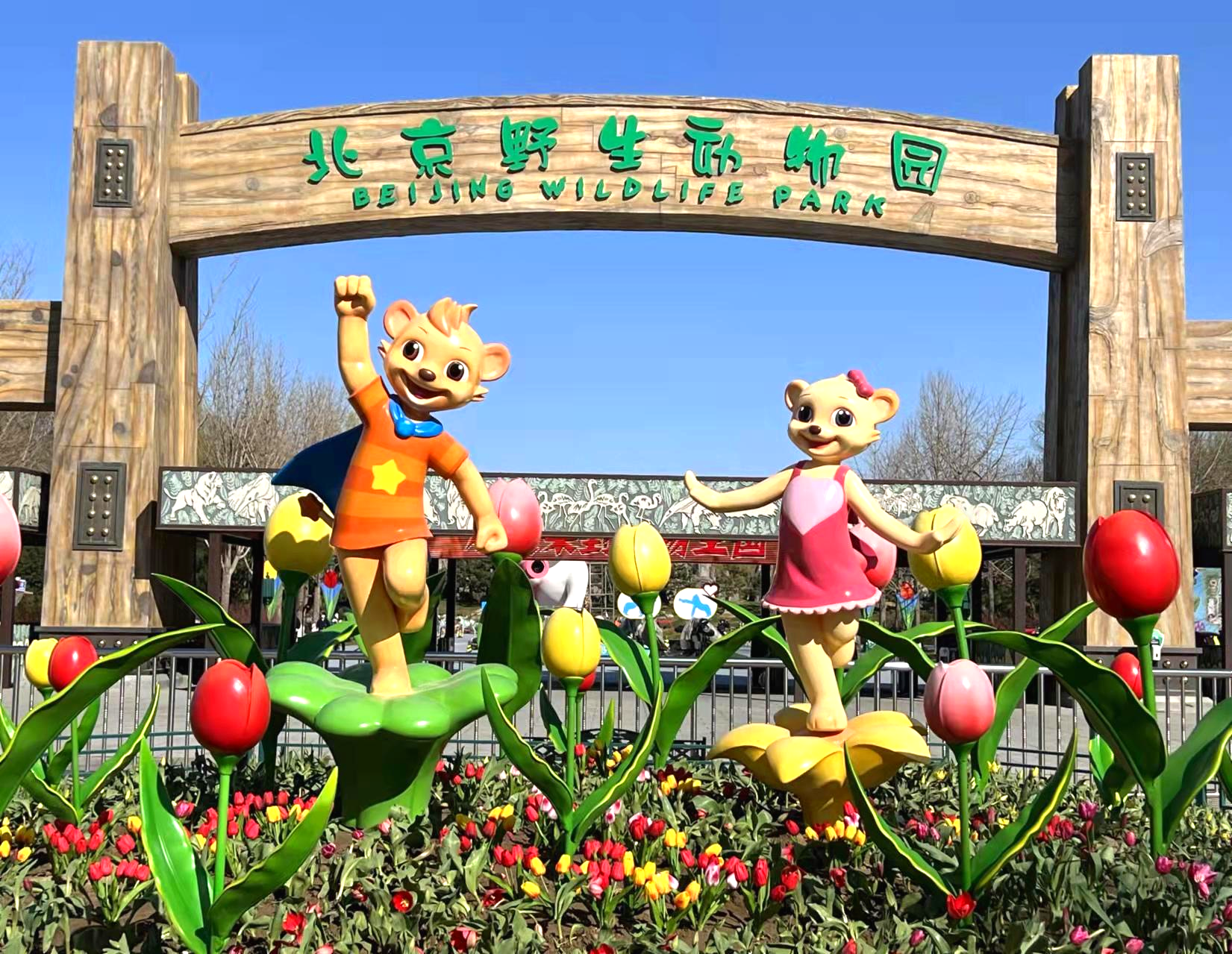
Beijing Wildlife Park
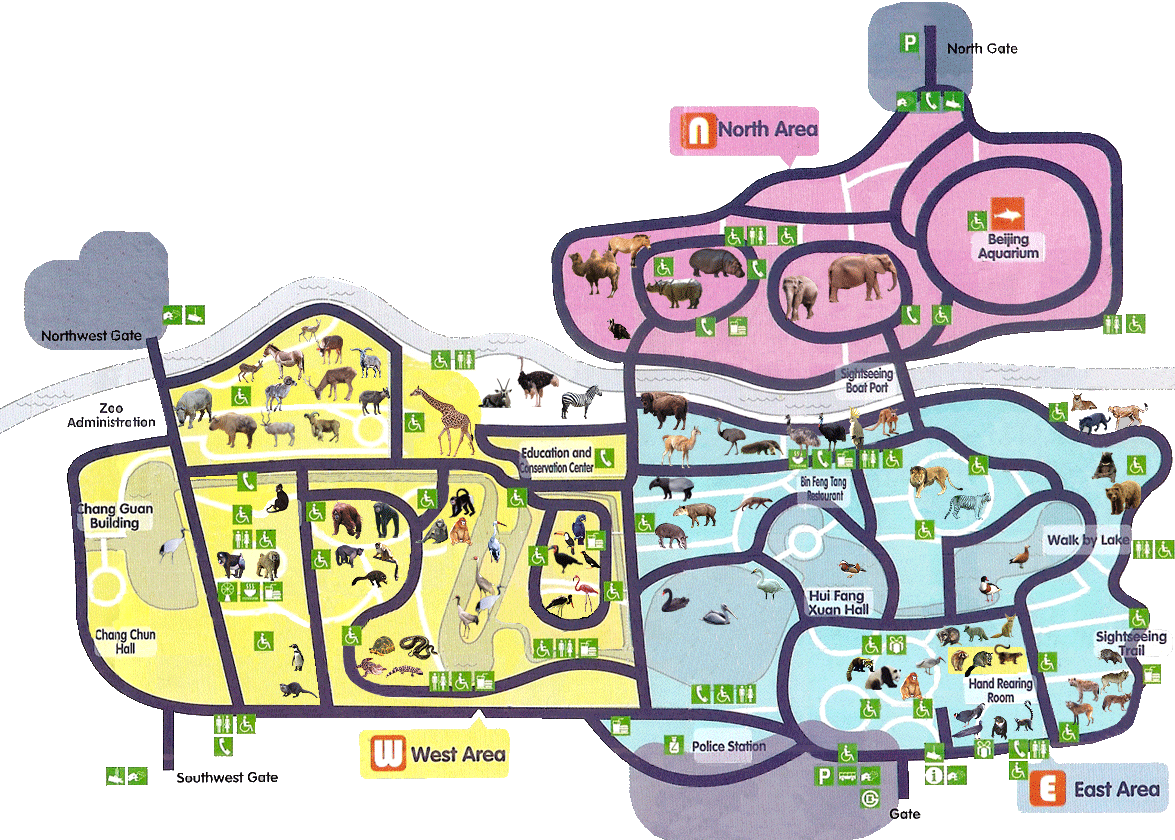
Beijing Wildlife Park is located on the banks of the beautiful Yongding River. It raises more than 200 species and more than 5,000 rare wild animals from all over the world on more than 3,600 acres of land. It is a national 4A-level Attraction that integrates wild animal domestication and breeding, scientific research, popular science education, and leisure tourism.
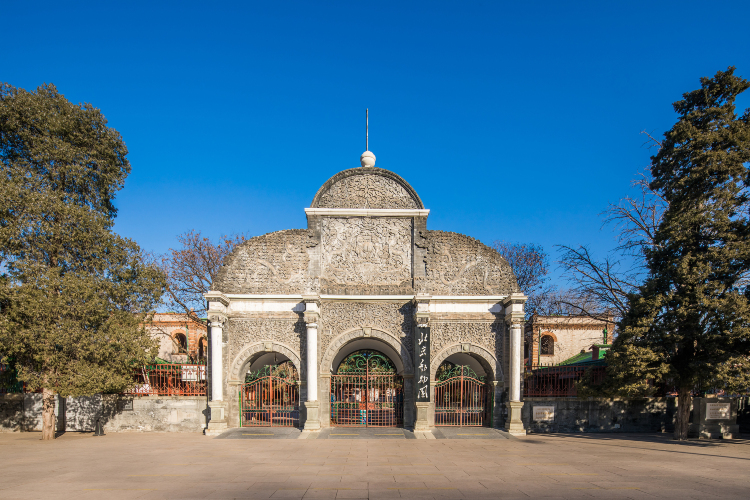
▲Beijing Wildlife Park is 42 kilometers away from the city center and has more than 80 theme animal venues and pavilions. The park is divided into three major animal tourist areas: self-driving tourist area, walking tourist area, and beast experience area.
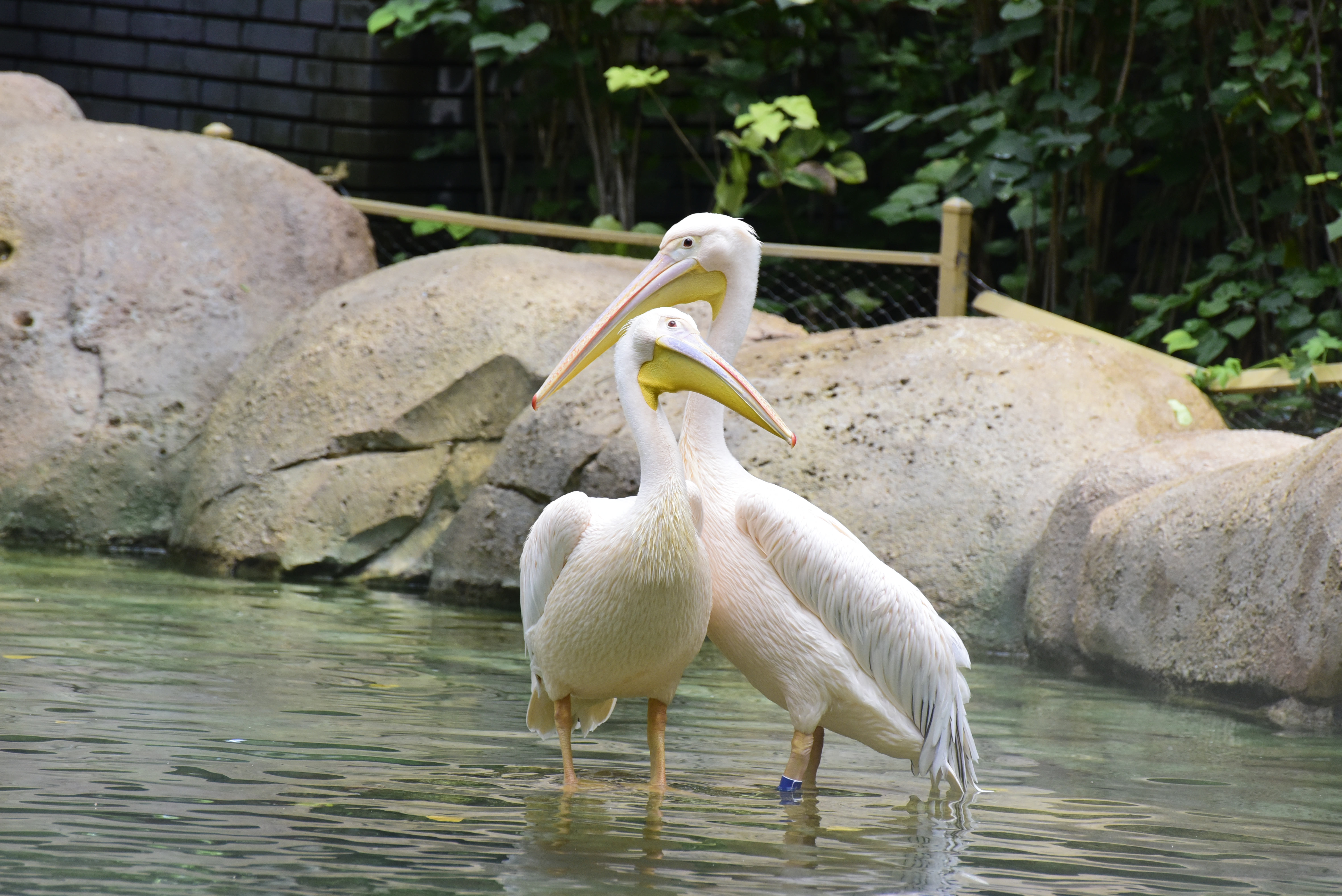
▲The self-driving tour area covers an area of more than 1,200 mu, with a 10-kilometer tour line and seven animal exhibition areas, exhibiting more than 60 species and more than 800 animals. There are two ways to visit the self-driving tour area, self-driving tour and small train tour.
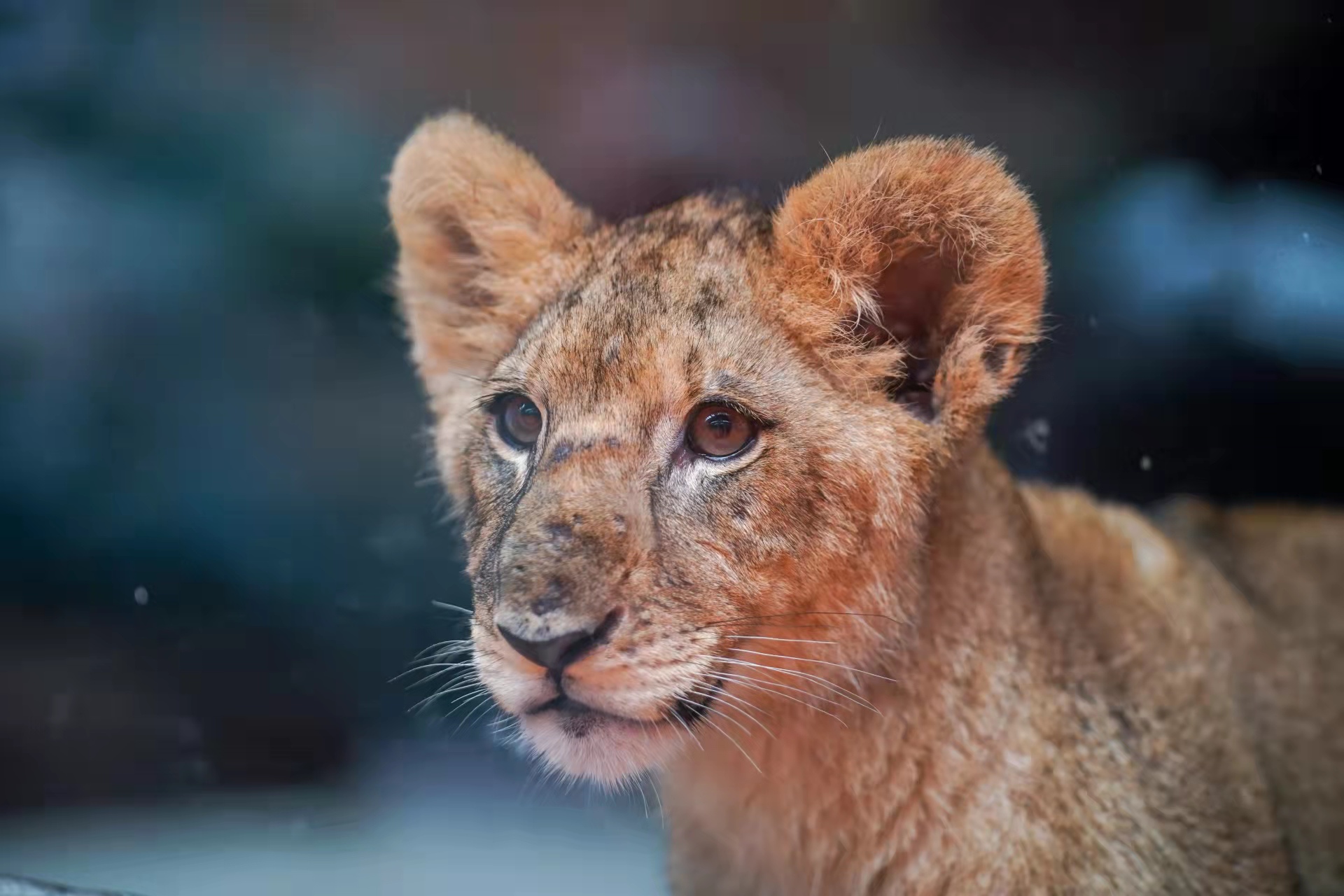
▲The beast experience area has eight exhibition areas, exhibiting 8 kinds of beasts, totaling more than 100 animals. Each exhibition area is designed based on the animals' wild living environment, and the animals live in an open natural environment.
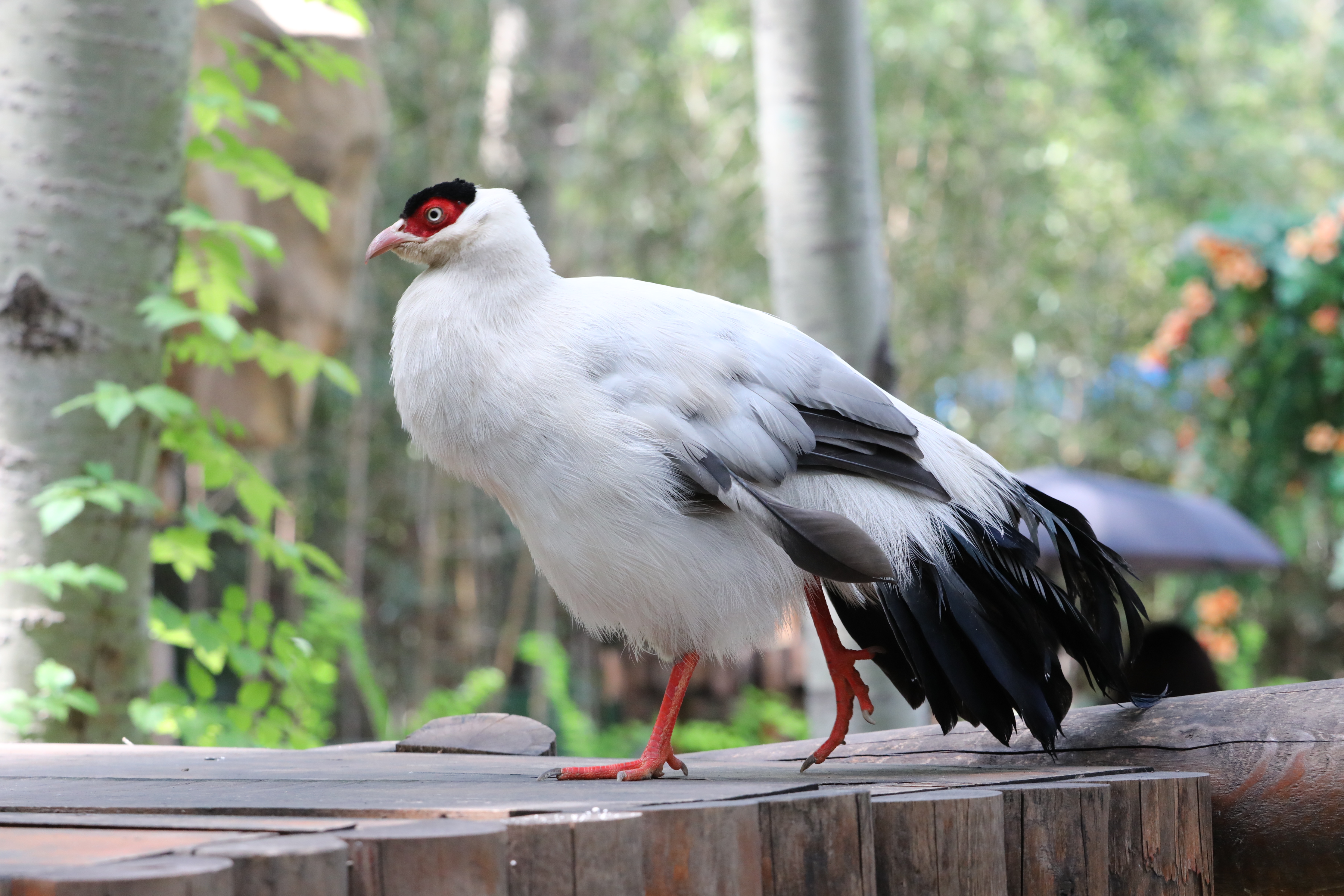
▲The walking tour area has a total route of 2 kilometers. There are more than 300 animals of more than 20 species that can interact and be fed by tourists. There are more than 30 animal venues, which highlight the open concept and have the characteristics of novel venue design, diverse viewing angles, less visual obstacles, and mutual contact between people and animals.
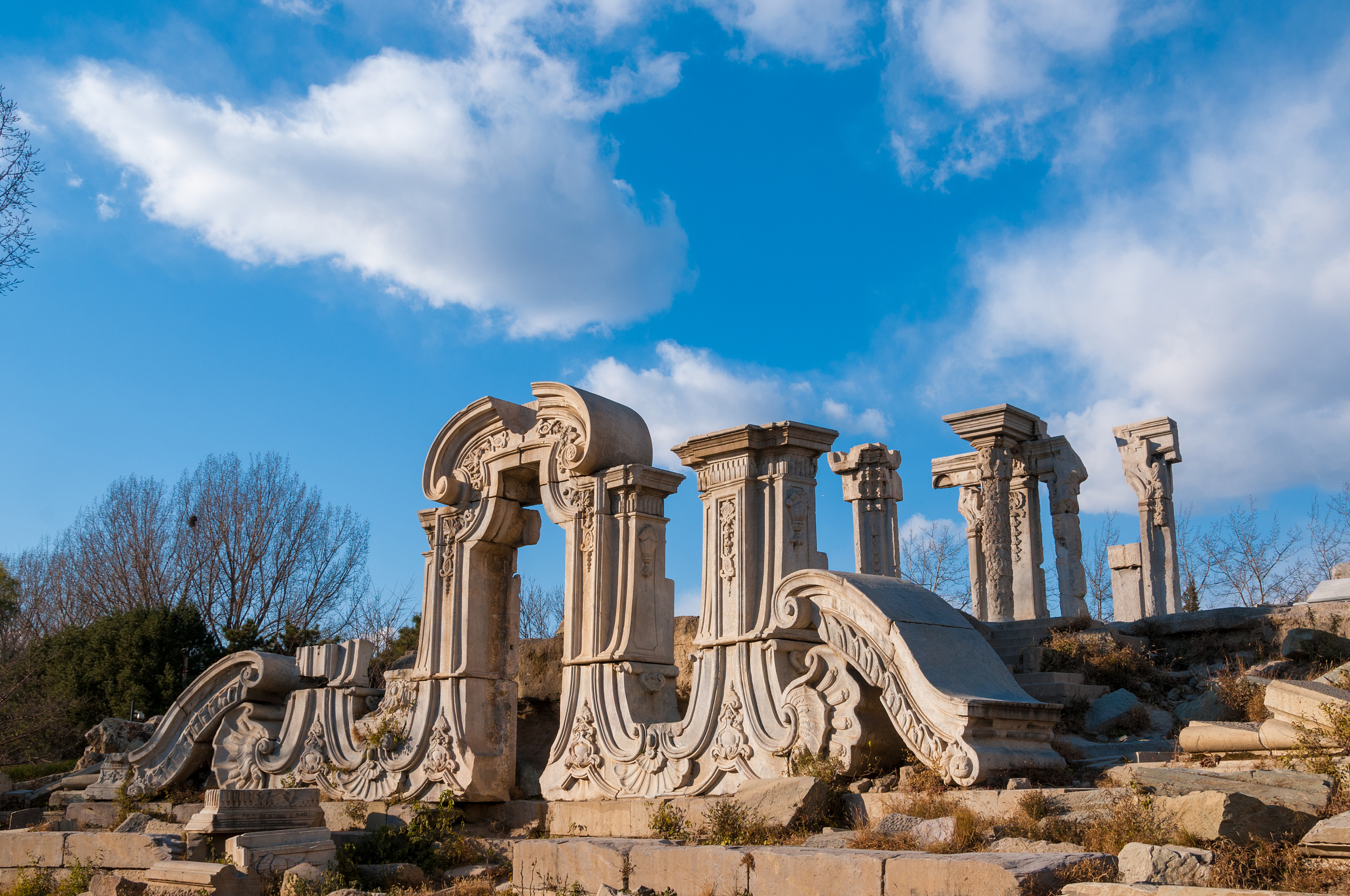
Yuanmingyuan Park
Yuanmingyuan Park is a royal garden of the Qing dynasty, composed of three gardens: Yuanmingyuan, Changchun garden, and Qichun garden. Once renowned as the "garden of gardens," it was looted and burned by Anglo-French allied forces in 1860, leaving its main structures in ruins. Today, it serves both as a memorial park reflecting on a historical period and as a scenic destination with expansive lakes and lush vegetation.
The garden's landscaping excels in water features. Fuhai Lake's expansive surface, named for the idiom "boundless happiness like the eastern sea," once served as the imperial water recreation center. Three square islands connected by bridges at its heart form the Pengdao Yaotai (Jade Terrace on Penglai Isles). Smaller water bodies meander around, with piled rocks forming hills and gathered earth creating ridges—mountains and waters intertwine as if naturally formed. West of Fuhai, the Rear Lake encircles nine islets symbolizing the "nine provinces," each with distinctive scenery that borrows views from others to create harmonious interplay.
Qichun garden, also known as Wanchun garden, was one of the emperor's main residential gardens during the Jiaqing era. After the Daoguang period, it primarily served as the residence for empress dowagers and imperial concubines. The garden features numerous small scenic spots, making it a collection of miniature water landscapes. It also serves as the main venue for the annual summer lotus festival. In midsummer, when lotuses are in full bloom and the garden is bathed in vibrant red, taking a cruise through the lotus leaves offers a uniquely delightful experience.
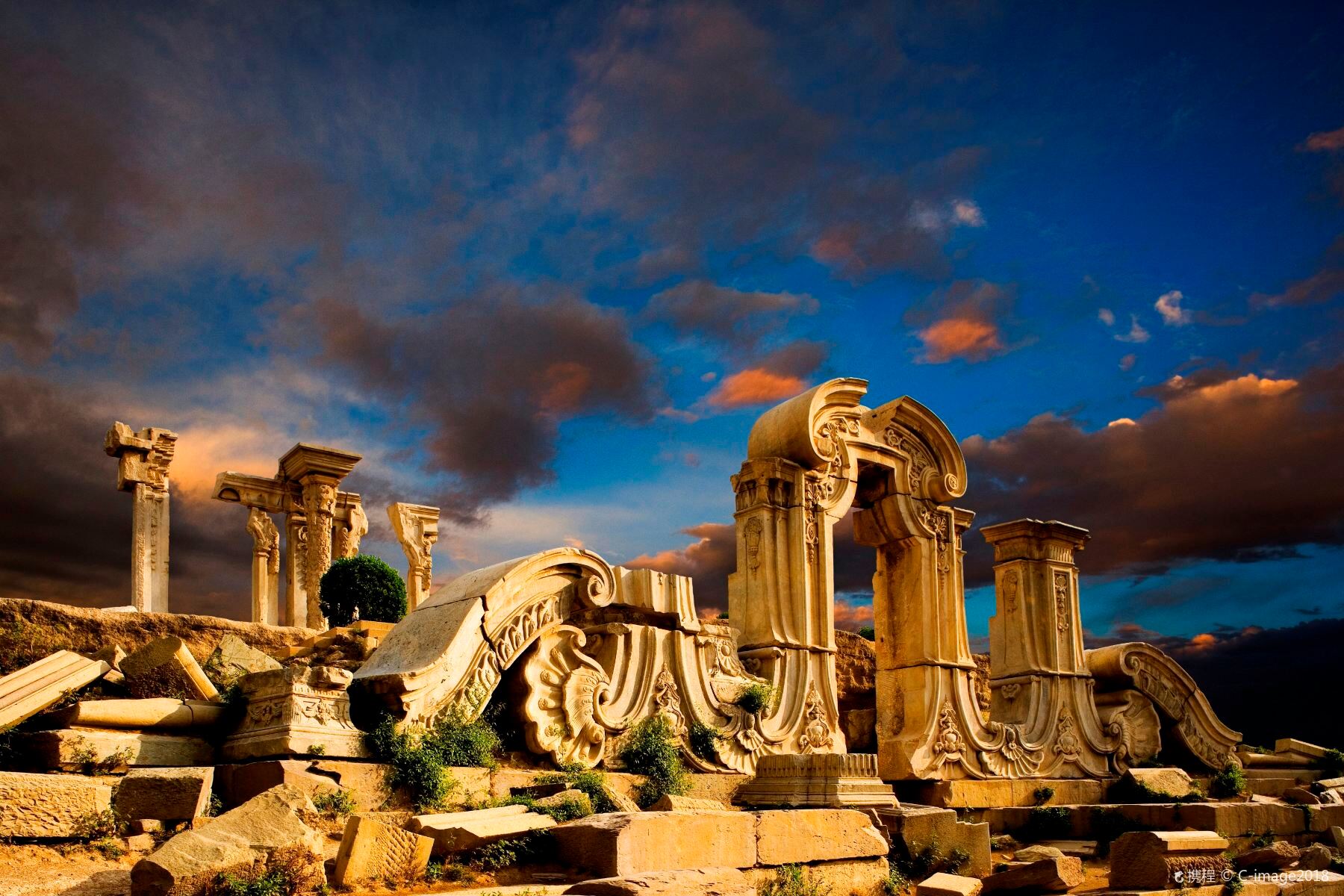
Changchun garden features large water landscapes as its main attraction, with its core architectural complex, Hanjing Hall, serving as Emperor Qianlong's retirement residence. The northeast corner replicates Suzhou's Lion Grove garden under the same name. The northern section houses a group of European-style palaces commonly known as the Western mansions, where structures like the Harmonious Wonder, Haiyantang Hall, Yuanyingguan Observatory, Great Fountain, and Water Viewing Fountain were once scattered—now only stone ruins remain. Among them, the arched stone remnants of the Great Fountain have become Yuanmingyuan Park's iconic image. The Huanghua maze, a European-style rectangular labyrinth within the attraction, is said to have hosted imperial festivities where palace maids carried yellow flower lanterns through its paths during mid-fall nights while the emperor watched from its central pavilion. Visitors today can still attempt navigating this historic maze.
To get an intuitive sense of the park's appearance at its peak, visit the Yuanmingyuan Park full-scale model exhibition northeast of the Hanjing Hall in the Eternal Spring Garden. With the guidance of an on-site guide, you can imagine the past through a large sand table. The Yuanmingyuan Park exhibition hall in the Western-style buildings ruins area also screens the documentary "Yuanmingyuan" on loop. Watching it before visiting the ruins will give you a more three-dimensional experience.

Landmarks & attractions


Beijing Festivals & Events
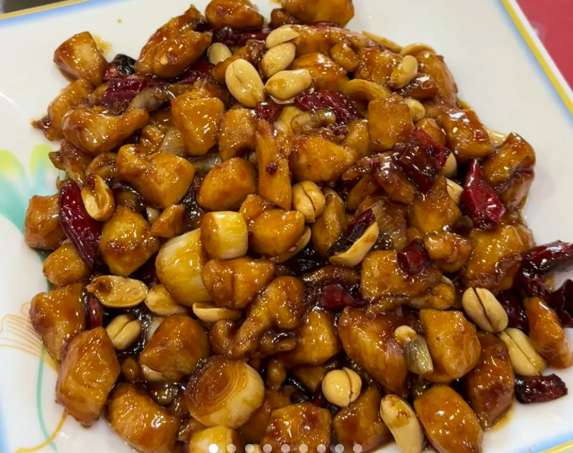
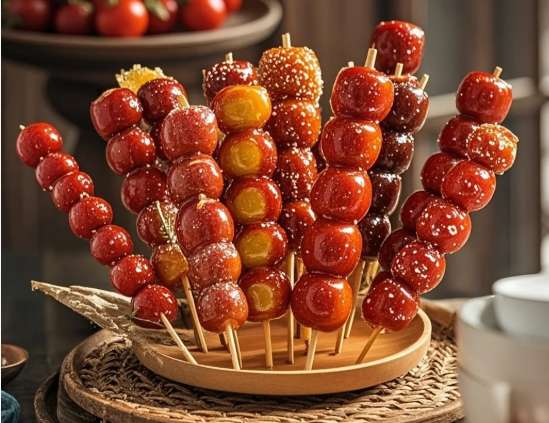
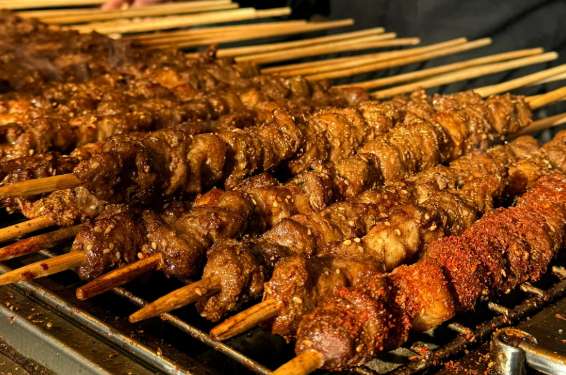
Taste the City

Plan Your Trip
City Transport Guide
Airport Transfer
Explore moreNavigate your way from Beijing Capital or Daxing International Airport to the city center with ease. This guide covers the fastest and most affordable transport options including the Airport Express, metro, buses, and taxis
Metro
Explore moreBeijing's metro system is one of the world's busiest and most extensive, connecting all major attractions and neighborhoods. Learn about routes, fares, operating hours, and tips for navigating the network
Pro Tips
- No need to download extra apps. Use QR codes or official payment apps like Alipay or WeChat Pay to tap in and out at metro stations.
- Avoid peak hours. 8:00–9:00 AM can be crowded on routes heading toward business districts. Weekends may also be busy near tourist hotspots.
- Keep an eye on luggage. Security checks at metro entrances require all bags to pass through X-ray scanners.
- Metro cars can get very cold in winter. Look for “warmer” cars or adjust seating to stay comfortable during travel.
Metro Map
Recommended Stays
 1
$32
1
$32
 2
$64
2
$64
 3
$135
3
$135
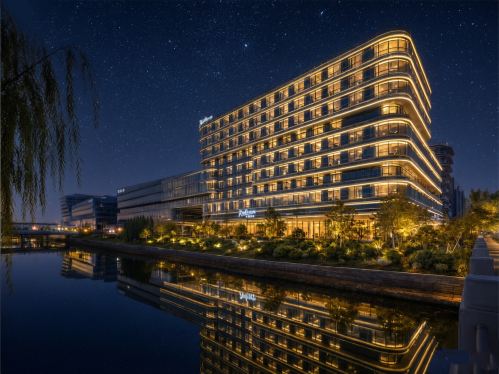
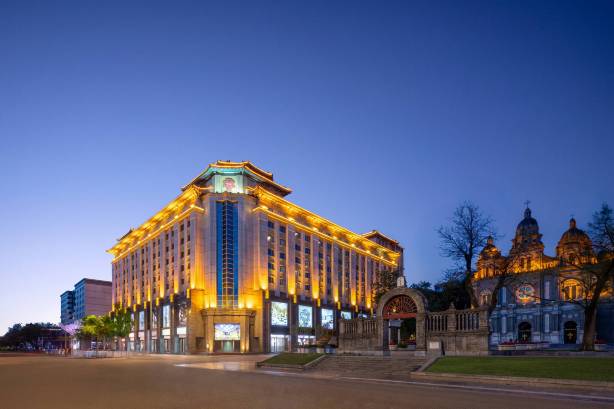
The hotel features elegantly appointed 401 guest rooms and suites, providing an ideal retreat for both business and leisure travelers. 3800 square meter meeting venues and multifunctional halls can flexibly accommodate events and banquets for 5 to 500 guests. Royal Chinese Restaurant offering authentic Beijing-style roasted duck and a series of classic fusion delicacies. Dynasty Plaza serves an international buffet and offers a menu with Asian and European favorites, where you can also enjoy an afternoon tea and evening cocktails in a very special atmosphere. After a busy day, you can enjoy the hotel’s recreational facilities including natural light indoor swimming pool, fitness center, game room and Spa. The gift shop provides more convenience for your shopping.
By staying at here, you will not only enjoy a convenient and efficient business environment but also immerse yourself in the rich history and cultural heritage of ancient Beijing.
 4
$43
4
$43
 5
$45
5
$45
 6
$97
6
$97
 7
$266
7
$266
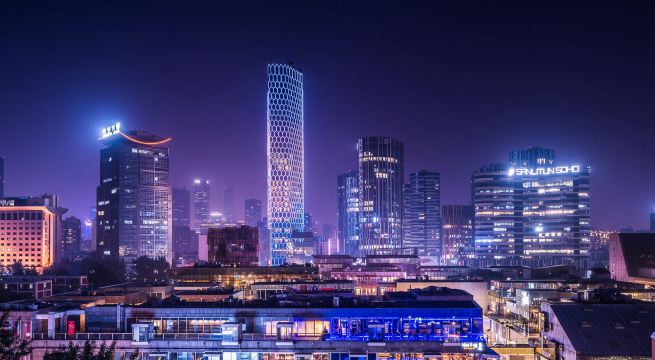
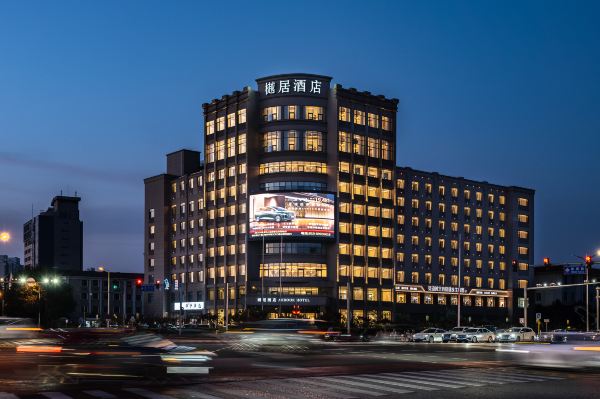
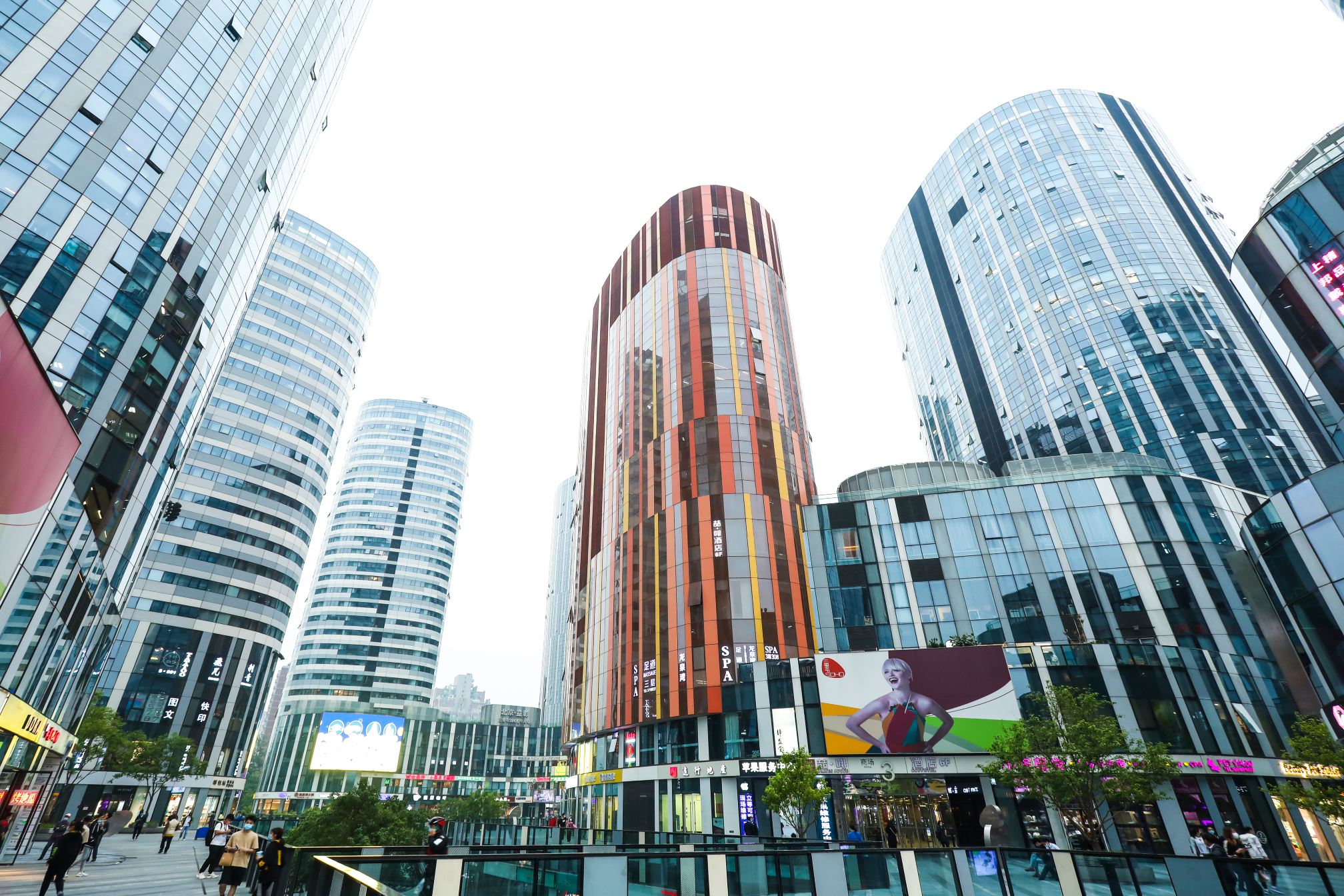
With its avant-garde design, the hotel stands as a dynamic presence in Sanlitun—the city’s most captivating entertainment and lifestyle hub—making it the ideal choice for global travelers and discerning social elites. It features the largest banquet venues in the Sanlitun area, with over 1,500 square meters of sophisticated event space. Complemented by modern guest rooms and innovative culinary concepts, the hotel seamlessly caters to both business and leisure needs of today’s travelers.
 8
$44
8
$44
 9
$102
9
$102
 10
$72
10
$72
 11
$55
11
$55
 12
$77
12
$77
 13
$63
13
$63
 14
$36
14
$36
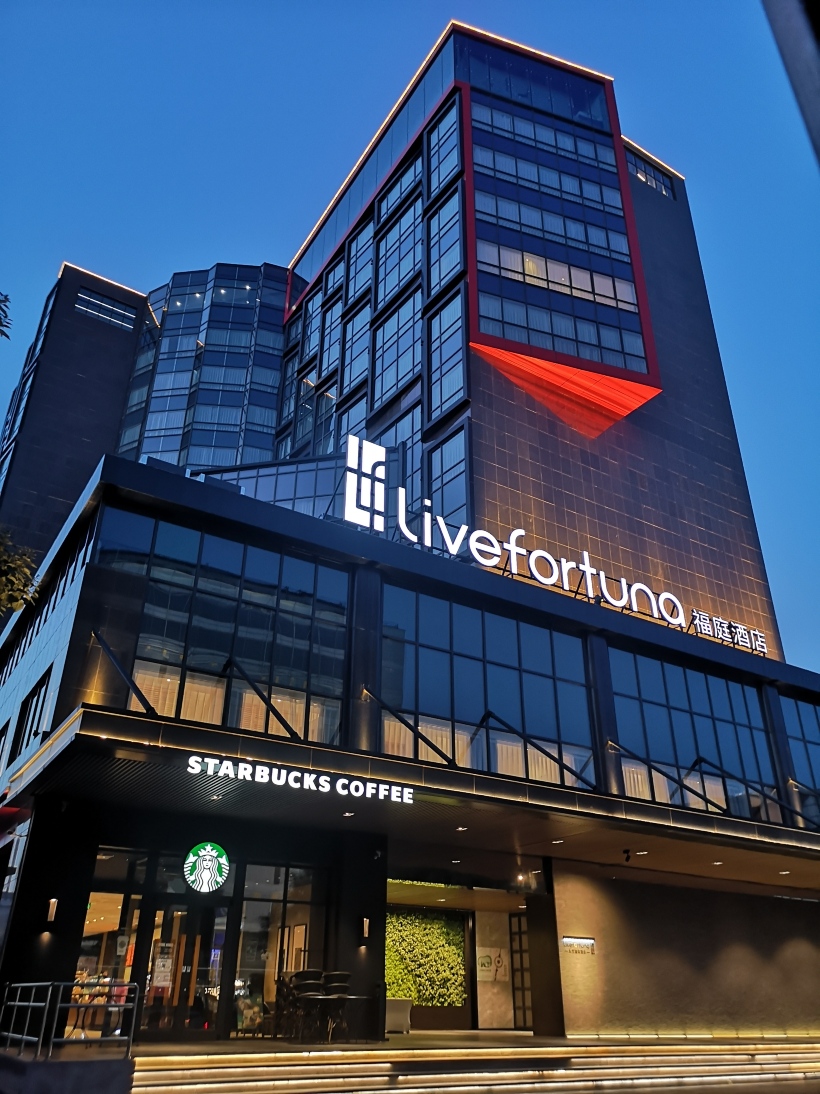
Boasting a convenient location, the hotel is just 4km from Beijing Railway Station and 31km from Beijing Capital International Airport. The closest major public transportation, Tiantandongmen Metro Station, is only 700m away. The nearby area boasts an abundance of attractions including Chongwen Workers' Cultural Palace, Temple of Heaven and Red Theater.
This hotel makes a great place to kick back and relax after a long day of sightseeing. This Beijing hotel features parking on site.
If you demand a high level of service, our guests have indicated that this hotel has excellent standards. This hotel is a popular accommodation for guests traveling with families.
 15
$46
15
$46
With Beijing Railway Station just 700m away and Beijing Capital International Airport only 27km away, transportation is very convenient. In addition, Beijing Railway Station Metro Station is just a short walk away. This hotel is located near many of Beijing's attractions including Ritan Park, Chongwen Workers' Cultural Palace and Red Theater.
When guests have some time on their hands they can make use of the onsite facilities.
According to our guests, this hotel provides a very high level of service. For guests traveling with families, this hotel is consistently one of the most popular choices.
 16
$57
16
$57
 17
$88
17
$88
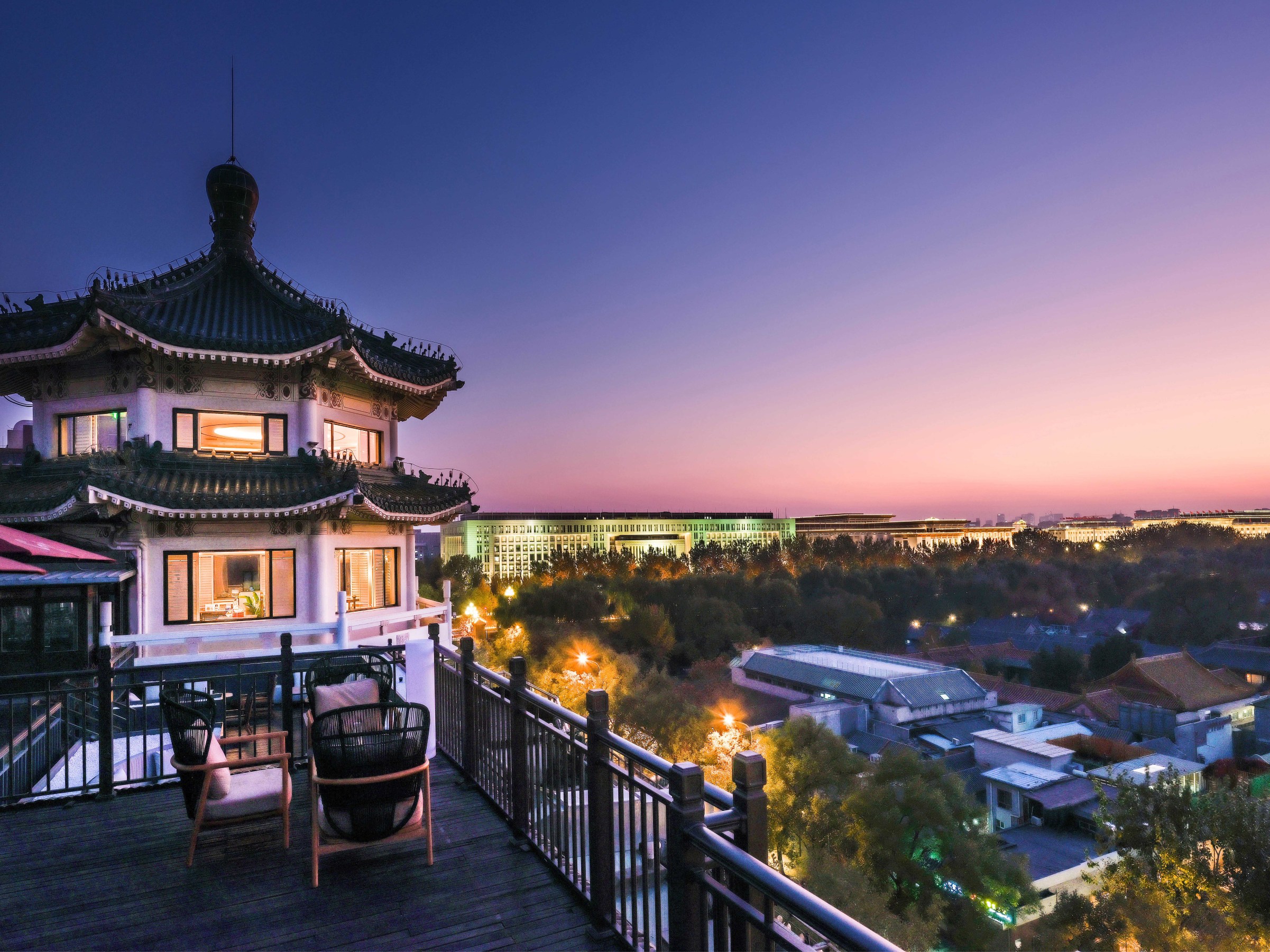
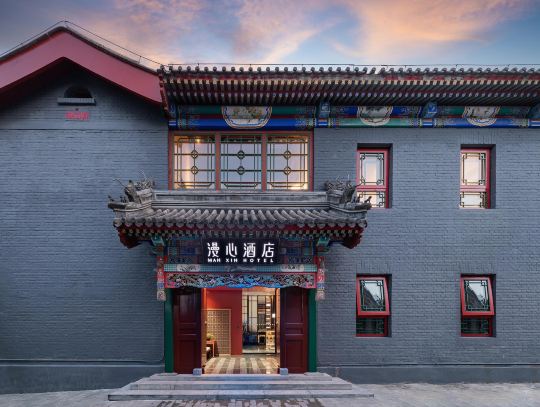
Located in Xitao Hutong, Jiugulou Street, Xicheng District, which is imbued with a strong flavor of old Beijing, the hotel is adjacent to the main route of the North Second Ring Road. It offers direct access to renowned destinations such as Peking Union Medical College Hospital, Tiananmen Square/Wangfujing, ensuring convenient transportation.
The hotel commands a view of the Second Ring Road to the north, the Drum Tower to the south, Shichahai to the west, and the Lama Temple to the east. It is also in close proximity to Yandai Xiejie, Nanluoguxiang Food Street, and other attractions, providing everything one might need.
[Mansion Property]
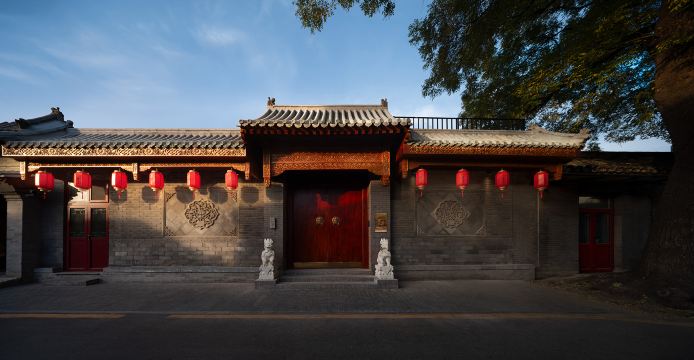
The hotel property is a renovated ancient building with a history of four hundred years. The courtyard dates back to the 31st year of the Wanli reign period. Emperor Yingzong of the Ming Dynasty (Zhu Qizhen, the sixth emperor of the Ming Dynasty) bestowed a residence upon Liu Jialin, a high-ranking official in the Imperial Palace. This mansion is the predecessor of the hotel. The charm of Beijing's architecture is on full display throughout the courtyard and the lobby, with carved beams and painted rafters, upturned eaves and bracket sets, reminiscent of the prosperity of a noble mansion in bygone days. The winding covered corridors run from north to south, the wooden carved decorations exude a pure and authentic texture, and the grey brick pavement provides a stable and grounded feel, leading to the depths of the courtyard in a meandering path.
[Smart Hardware and Software]
All guest rooms in the hotel are equipped with human body induction systems, eliminating the need for card insertion to access electricity. Guests can open doors remotely via a mobile app and control lights, curtains, air conditioners, televisions, and other devices using intelligent voice commands. The mattresses are from the century-old imported brand King Koil, and the high-quality, all-cotton, satin-finished bedding offers a cloud-like, comfortable sleep. Each room is (standardly equipped with) an intelligent toilet. The bathrooms feature high-end toiletries from POLA, a brand favored by the Japanese royal family, and dense, misty rainforest showerheads. The hotel is also equipped with a sunroom, a book bar, a café, and more, allowing guests to enjoy the scenic views of old Beijing hutong courtyards while relaxing.
[Culinary Delights of the Capital]
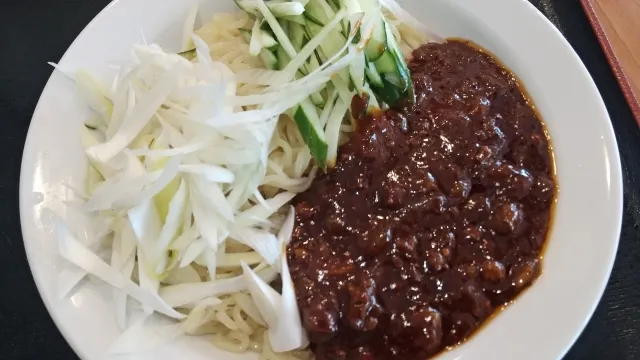
Upon checking in for the first night, guests will receive a complimentary buffet at the hotel restaurant, which combines Chinese and Western cuisines and showcases the flavors of old Beijing. A wide variety of Beijing-style delicacies and pastries are available, including fried sauce noodles, ruyi wontons, hutouzi (a type of pancake), shaobing with meat filling, aiwowowo (a sweet glutinous rice dumpling), fried crispy snacks, hawthorn cake, and more.
[Highlight of the Courtyard]
The hotel integrates local characteristics into its design and experience, naturally combining business travel with leisure travel attributes. It is a must-stay mid-to-high-end hotel for urban exploration. You can feel the charm of this city from the design-filled lobby, the details of the corridors, and the views outside the room windows.
Let you always look forward to the next city adventure.
 18
$96
18
$96
 19
$35
19
$35
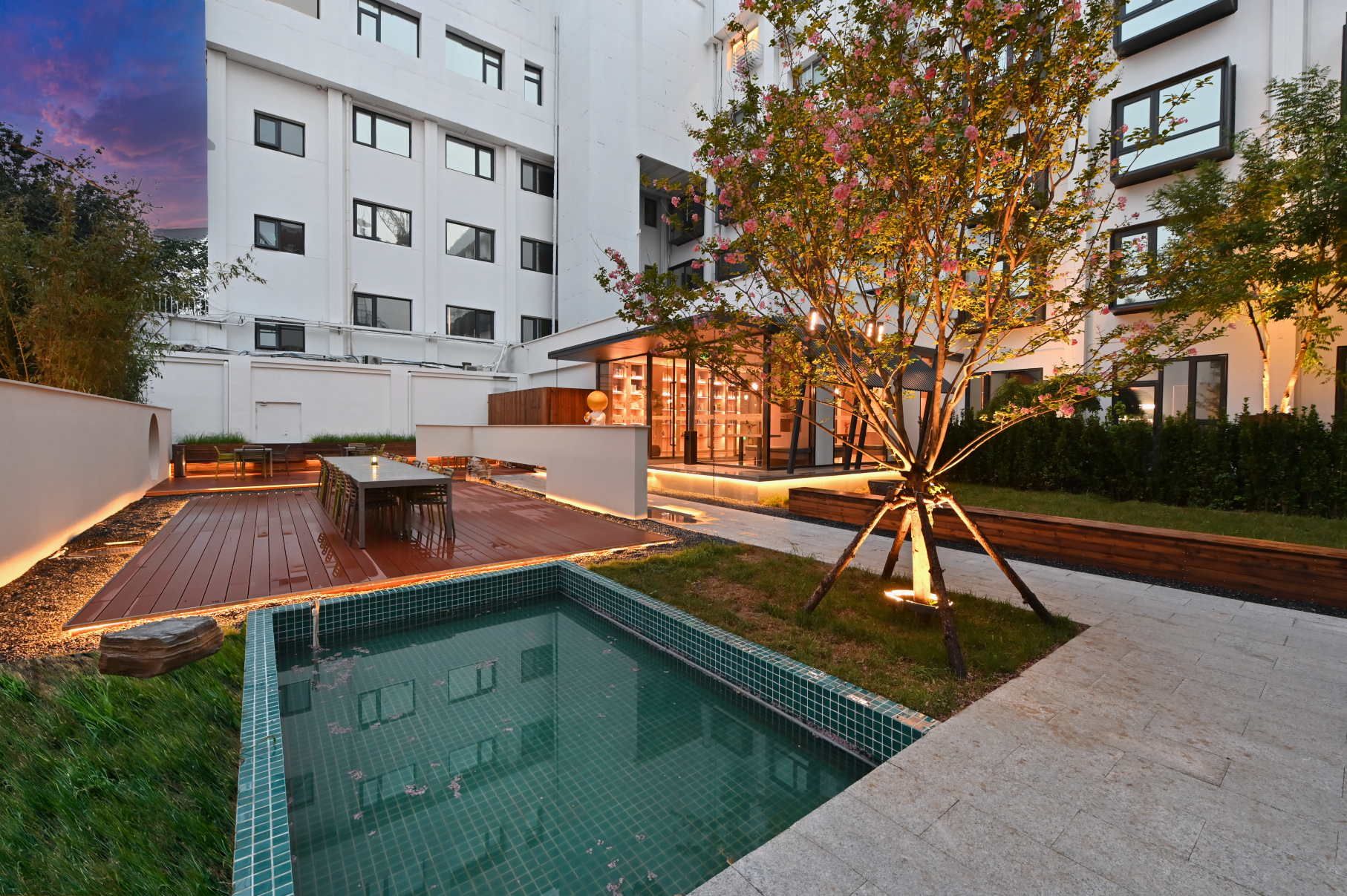
The hotel has a dedicated self-service business area in the lobby to meet your business needs while traveling, and the bookstore area allows you to immerse yourself in the joy of reading. Order your favorite coffee at the coffee bar to relax after a long journey; to help you effectively relieve travel fatigue, the hotel has intelligent robots providing delivery services, and the guest rooms are equipped with high-quality memory foam mattresses and a 10-second heated shower system; high-speed Wi-Fi allows you to enjoy the internet world and share; after getting up in the morning, the restaurant in the lobby will prepare a rich and nutritious breakfast for you, and the large parking lot will let you park your car with peace of mind.
The hotel is the best choice for business travelers who pursue living standards in the Sanlitun area, and the hotel sincerely looks forward to your stay at Zhi Coffee to enjoy a wonderful life!
 20
$254
20
$254
Recommended activities


Popular articles



![[5% Off] Beijing Tour 2026: Free Layover Tours & Top Attractions | Trip.com](https://dimg04.tripcdn.com/images/0M73k12000of4fbhbA0BC_Q60.jpg)

Travel essentials
Pro Tips
- Use the metro with Alipay. Skip taxis. Traffic is terrible.
- Book the Great Wall on weekdays. Go to Mutianyu. Avoid Badaling.
- Reserve tickets online for the Forbidden City. They sell out fast.
- Avoid Wangfujing snack street. Find small noodle shops nearby instead.
- Wear comfortable shoes. The sights are huge and you'll walk a lot.
- Say "bu yao" to street vendors. Carry toilet paper. Public restrooms have none.