Chongqing Travel Guide
About Chongqing
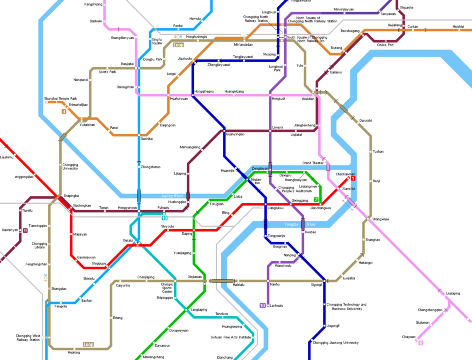
Explore the map of Chongqing
Wulong Karst Tourism Area
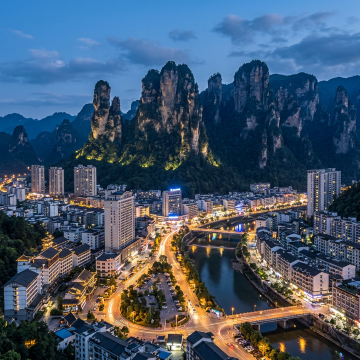
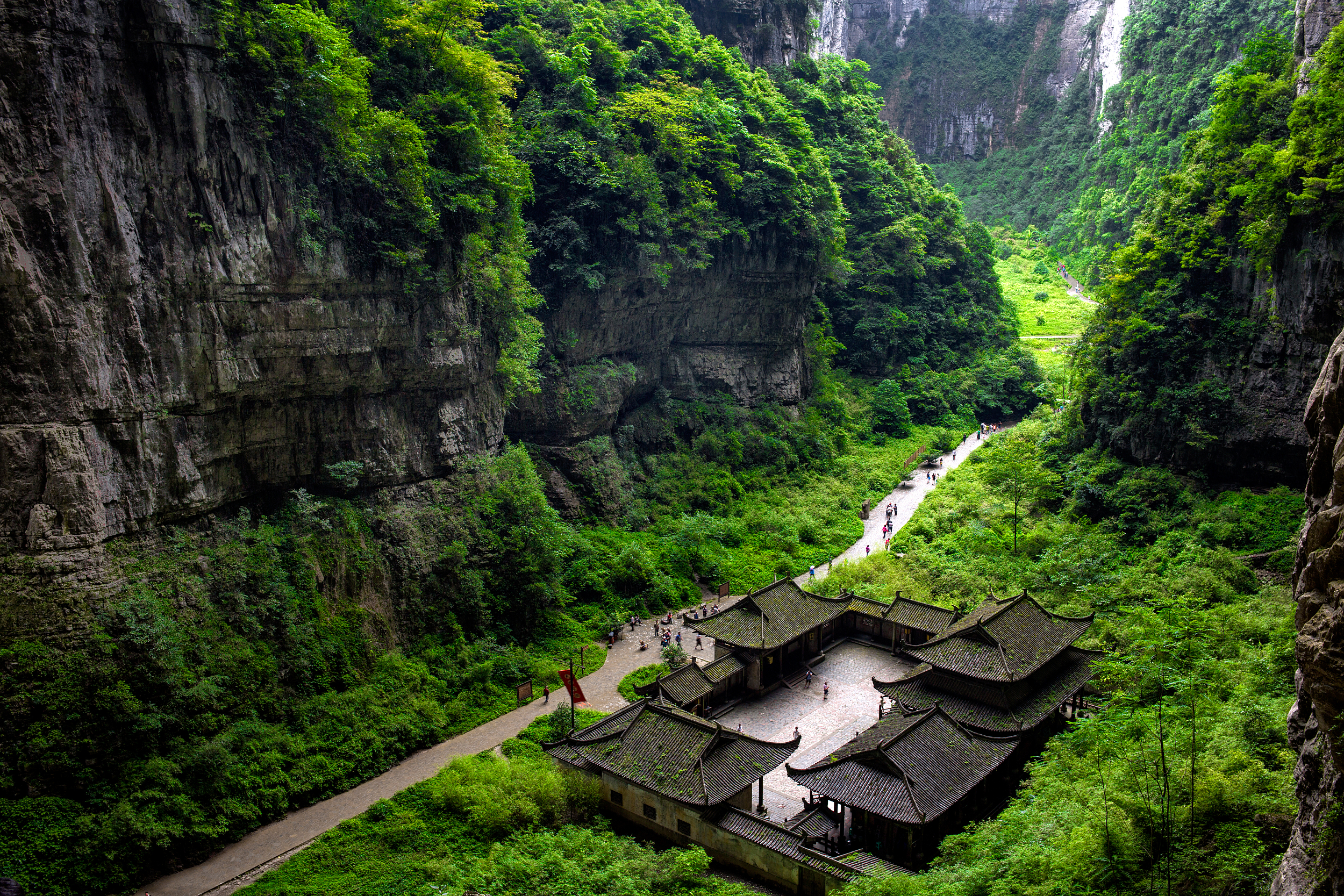
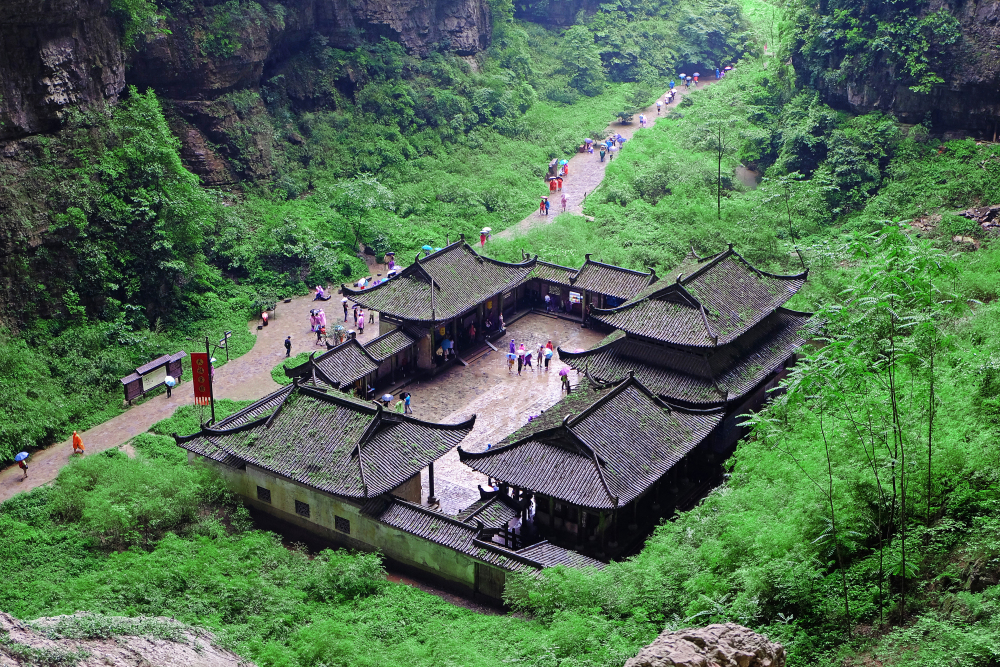
Wulong Karst Tourism Area is located in Wulong District, Chongqing, downstream of the Wu River, a tributary of the Yangtze River. It features a typical karst landscape, with magnificent natural bridges, vast sinkholes, and steep, deep gorges. You can descend into a 100 m deep sinkhole and look up at the towering cliffs surrounding you like clouds. Alternatively, you can explore the valley floor within the gorges, following the underground river along the rock walls, and experience the wonders of nature.
Tiankeng attractionIt features natural bridge clusters and sinkhole clusters. The area gained widespread recognition after serving as a filming location for the movie Curse of the Golden Flower. It was also used as a filming location for Transformers: Age of Extinction.
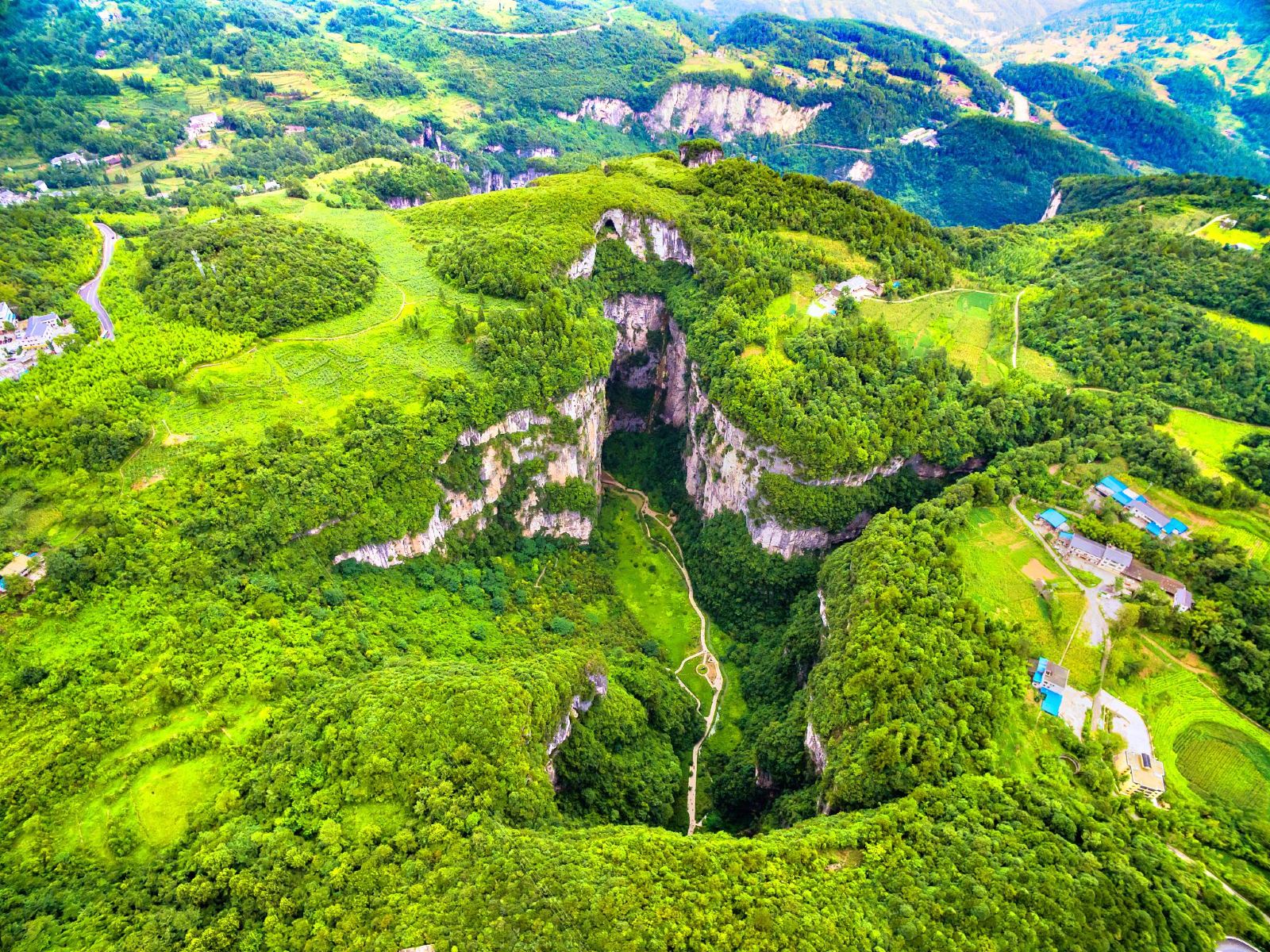
Longshuixia ground fissure offers a distinct experience: first take the sightseeing elevator down to the mountainside, then hike deep into the valley bottom, following the underground river along cliffside walkways with waterfalls and streams accompanying the journey, their sounds echoing between steep walls. Xiannü mountain presents a rare alpine grassland in southern China, averaging nearly 2 km in elevation where forests meet meadows, with summer temperatures around 20°C and winter ski opportunities; Furong cave is renowned for its cave deposition views, featuring stalactite marvels like Coral jade pool and Giant curtain waterfall, each displaying unique formations.
EYE IN THE CLOUDS
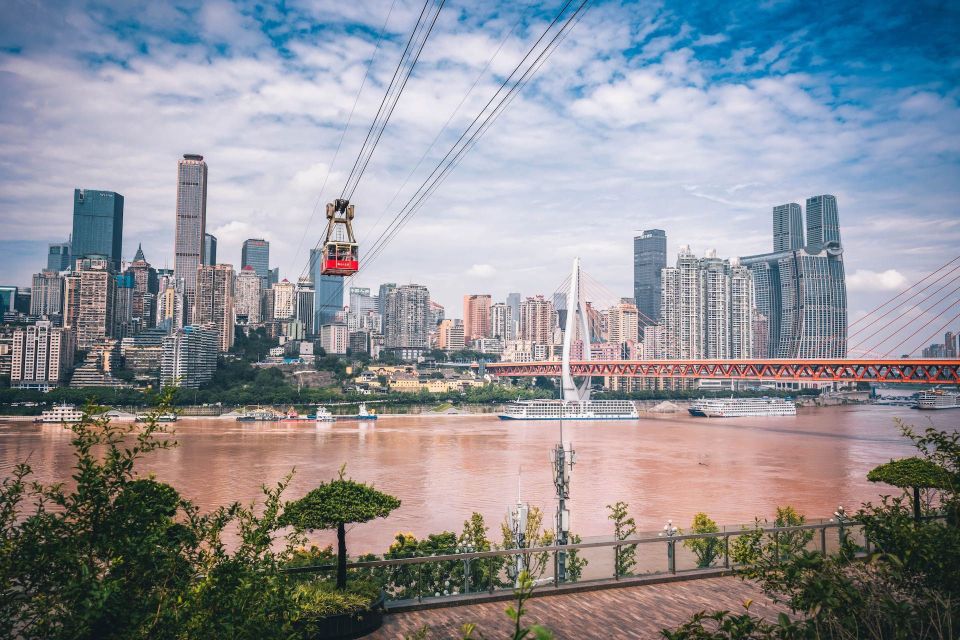
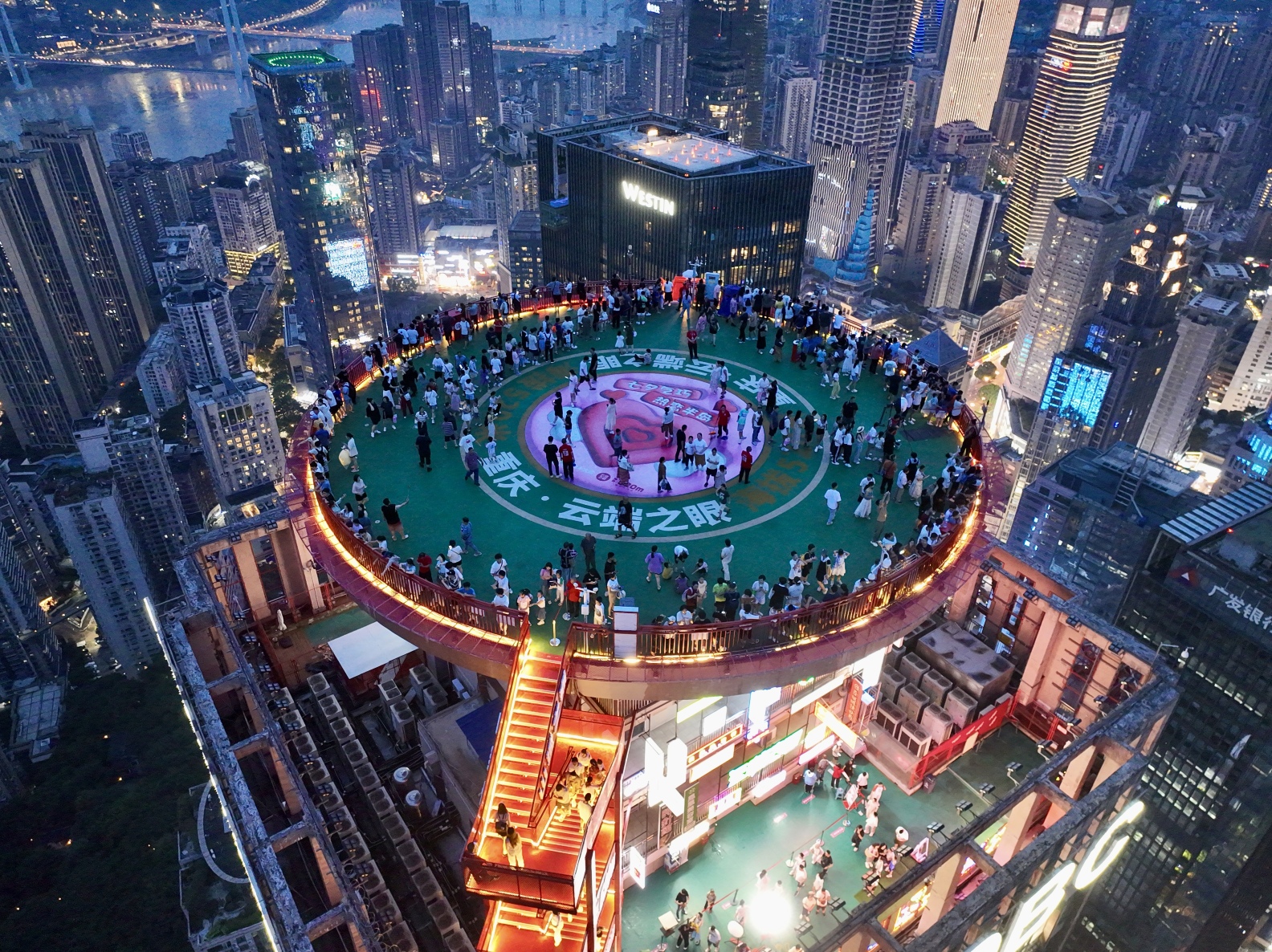
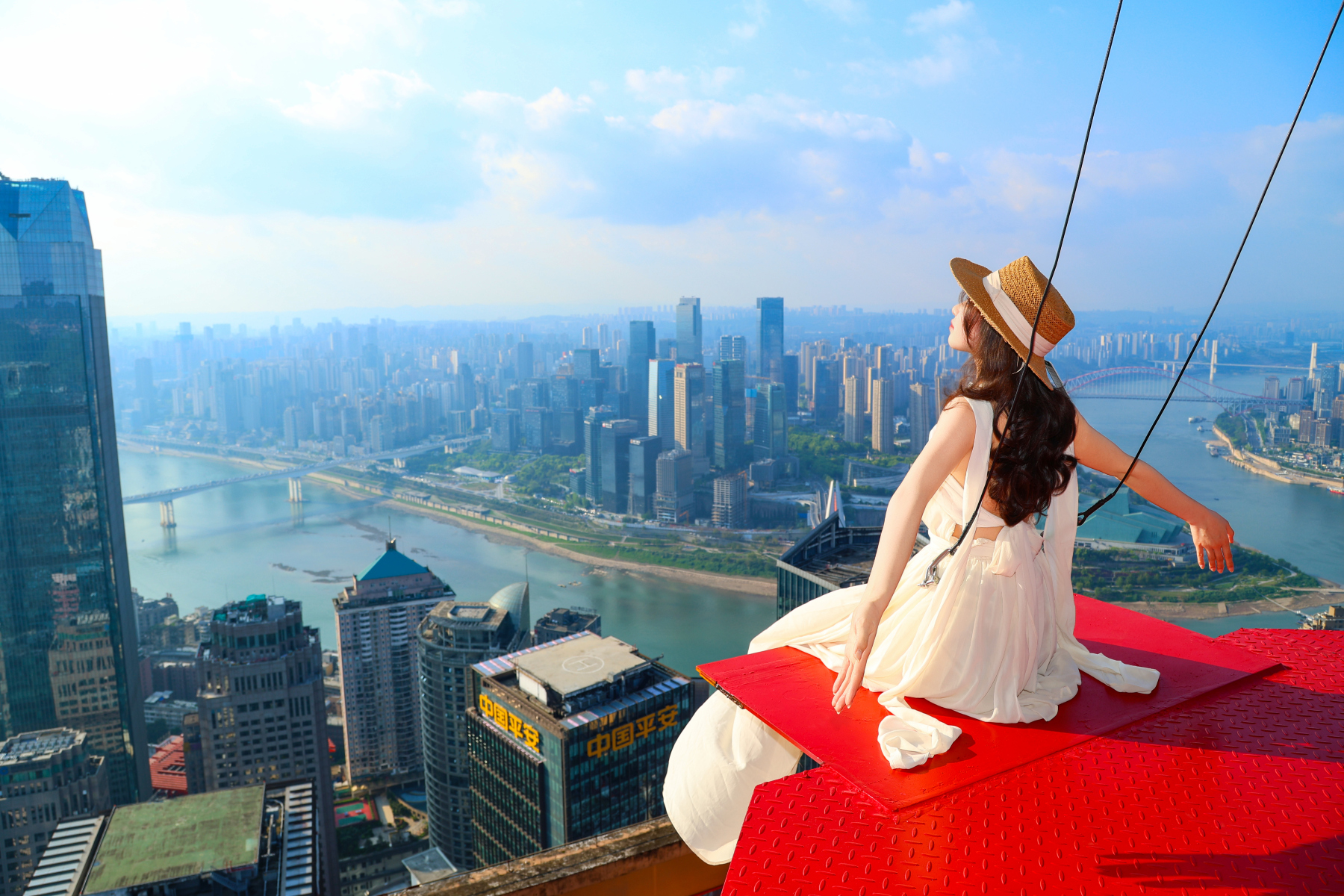
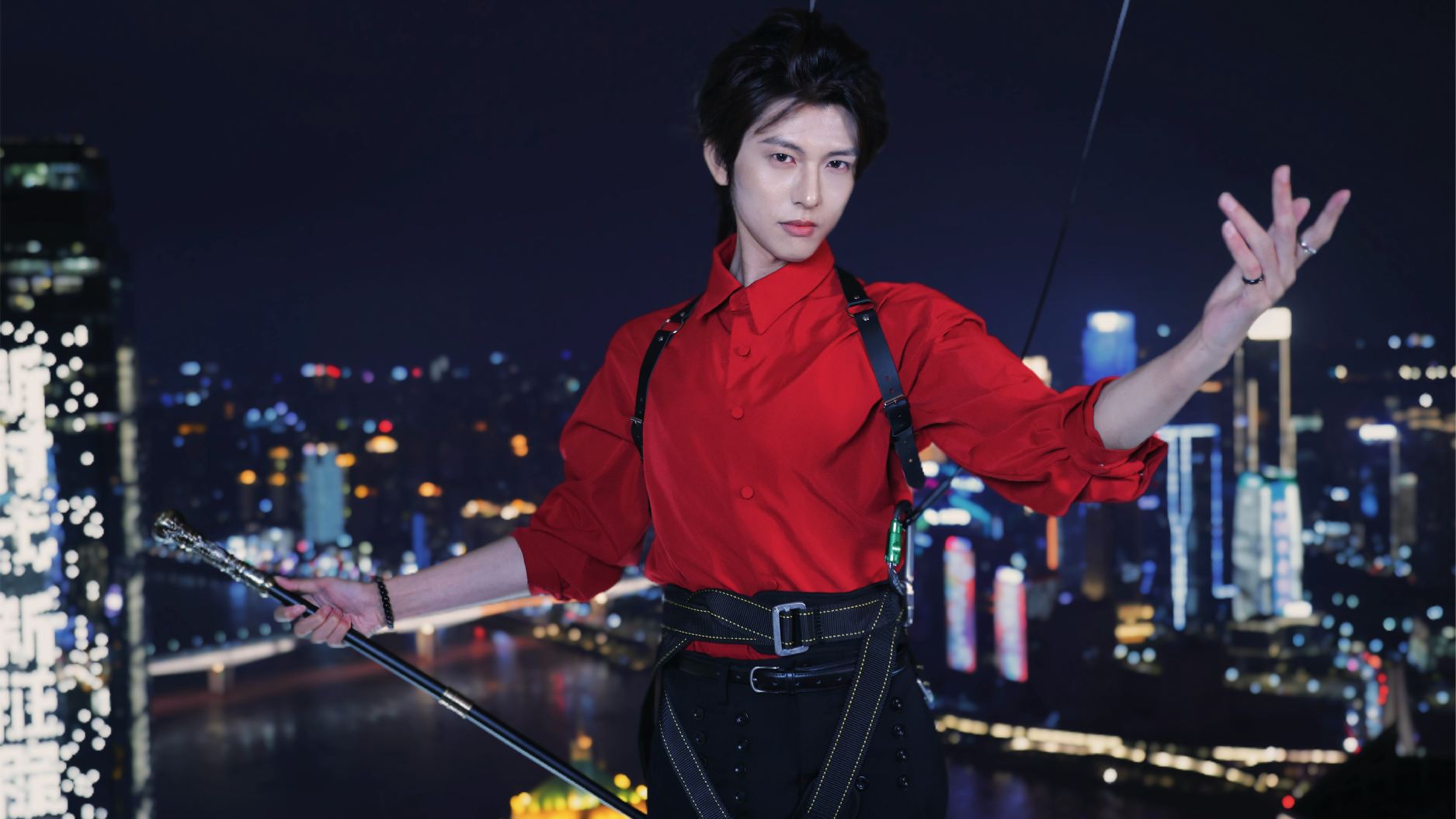
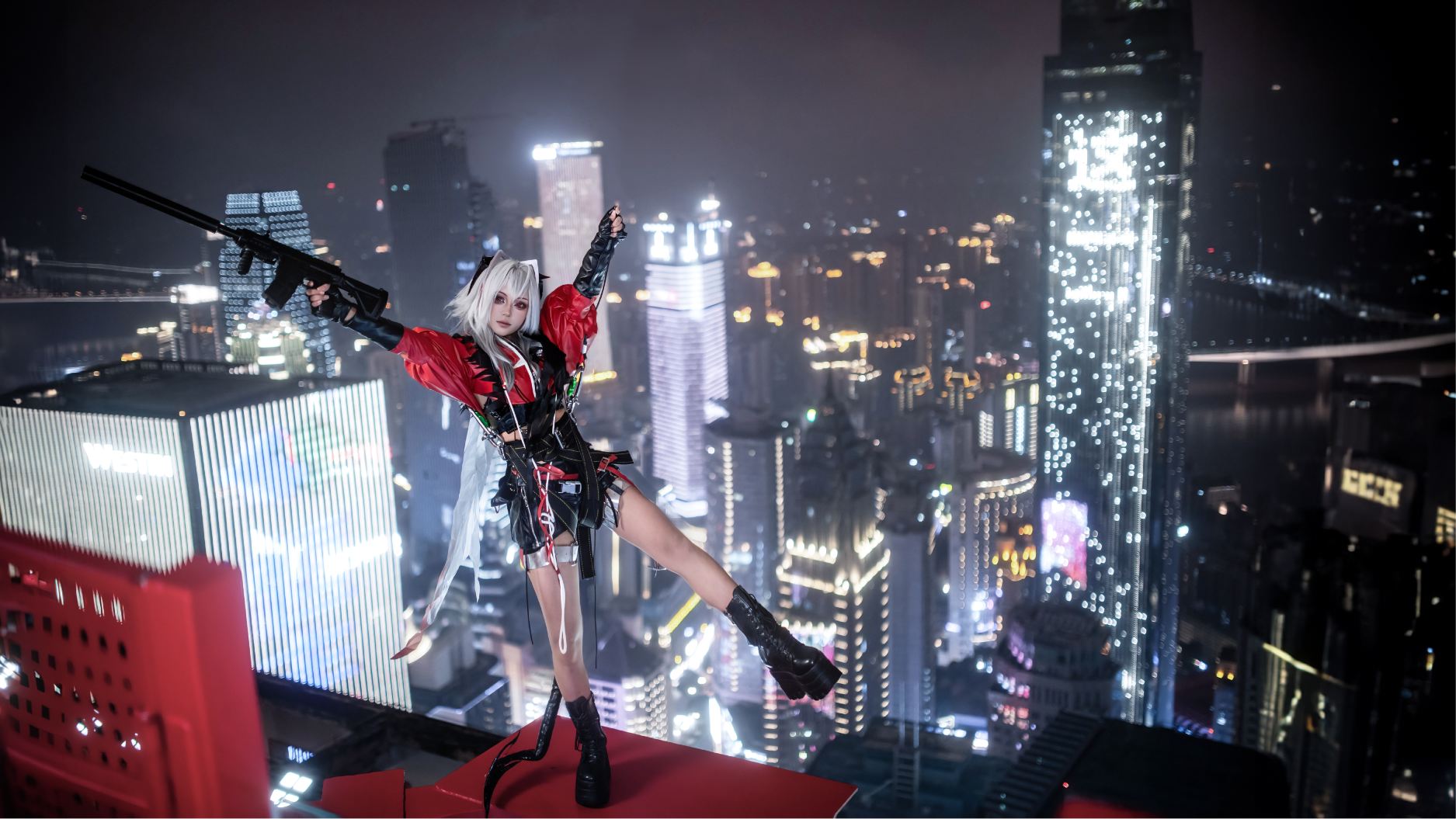
The eye in the clouds stands at a romantic height of 520 m in the core of Chongqing Yuzhong Peninsula, offering a 360° unobstructed panoramic view and a vast visual field of 9000 m. From this god's-eye perspective, it captures the two iconic views of the 8D magical Chongqing—the mountain city and its nightscape. It has served as a filming location for multiple variety shows, including the CCTV Spring Festival Gala and Keep running.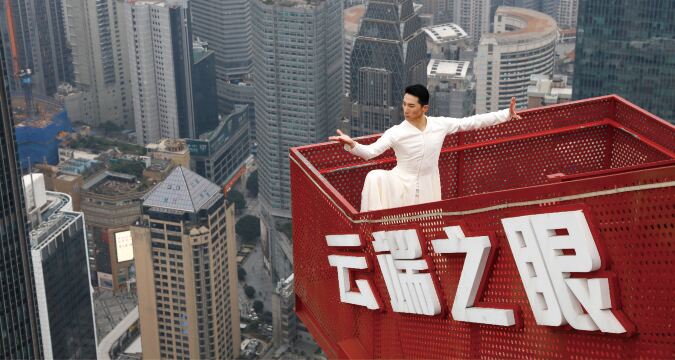
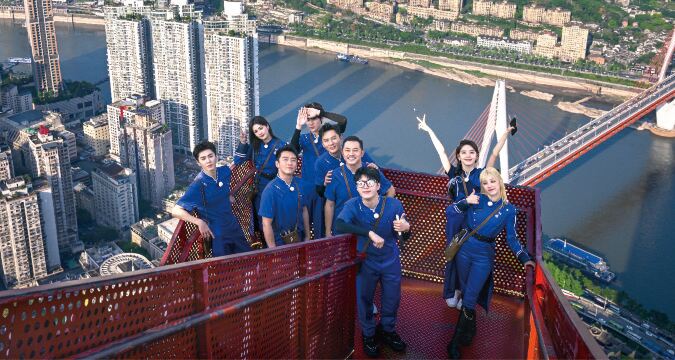
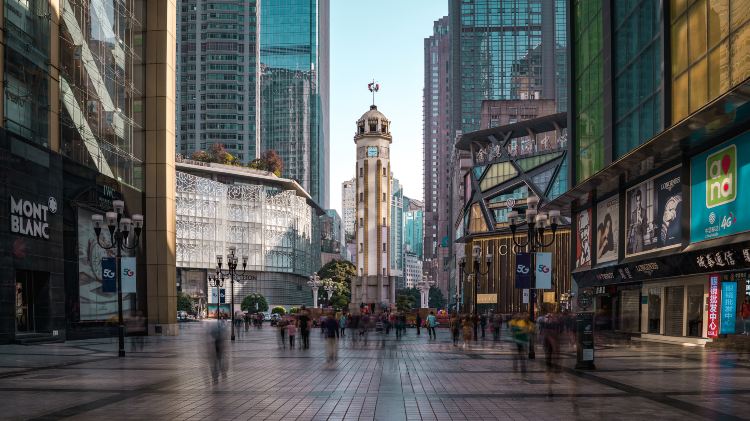
At your feet, the Yangtze River meets the Jialing River; around you, landmark skyscrapers stand tall. By day, the landscape and high-rises complement each other; by night, the dazzling city lights outline the urban skyline. Visit the EYE IN THE CLOUDS and check out the viral suspended red staircase, where a 520 m stroll instantly creates life-highlight photos. Nearby attractions include the Yangtze River Cableway, Liberation Monument, and Hongya Cave, making it the perfect first stop for Chongqing travel to experience the essence of this mountain-river city that never sleeps!
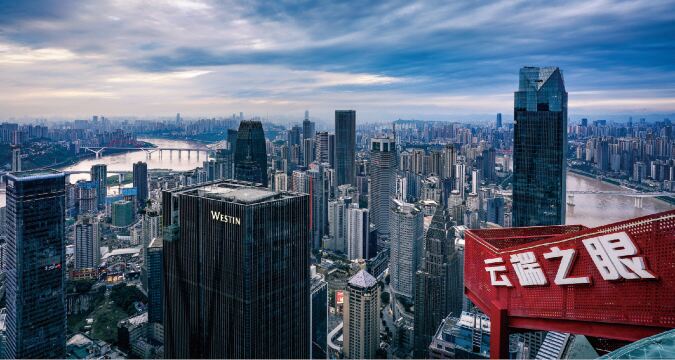
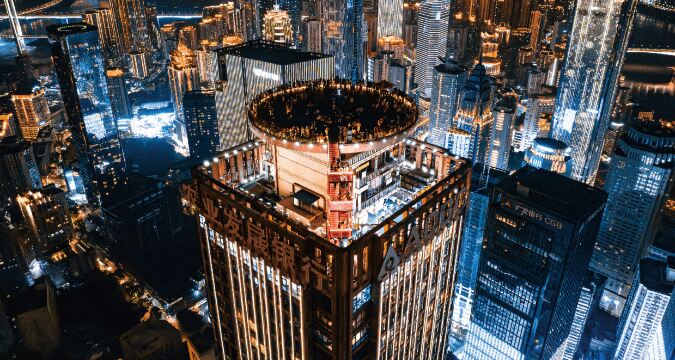
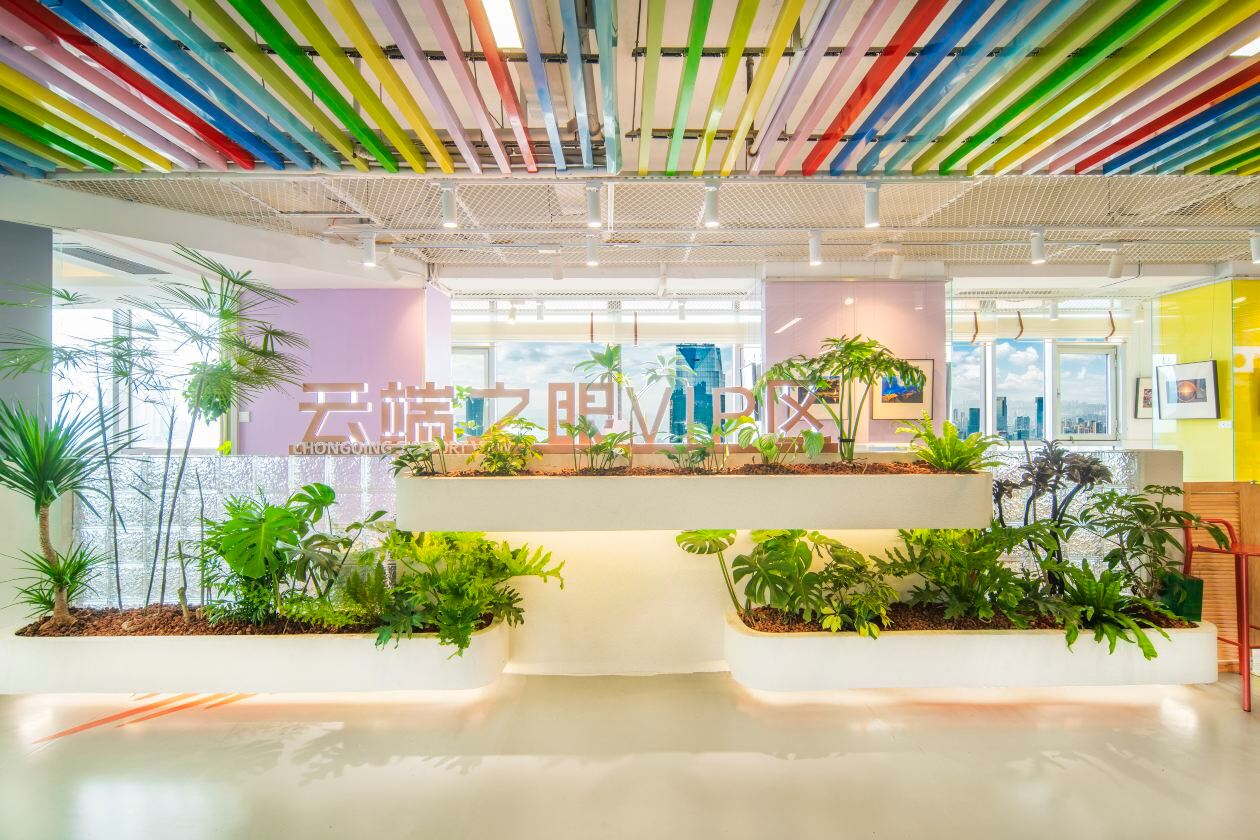
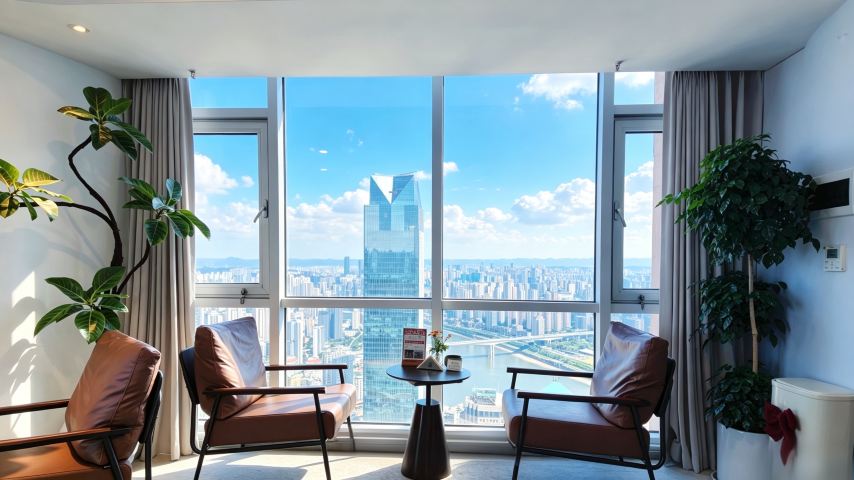
EYE IN THE CLOUDS features a VIP private viewing area, offering a comfortable rest zone at an altitude of 520 m to unlock a unique elevated viewing experience in Chongqing. Above the mountain city, it's the exclusive prime viewing spot just for you.
Standing above the clouds with the city behind. Perched atop Chongqing's skyline, Yuntai offers a panoramic view of the mountain city, capturing the rivers, bridges, and urban landscape from a breathtaking aerial perspective. The project provides customized photo services, allowing travelers to immerse themselves in the 8D magical skyline and unlock a variety of themed photo shoots—from traditional Chinese styles to anime and sci-fi—all in one place.
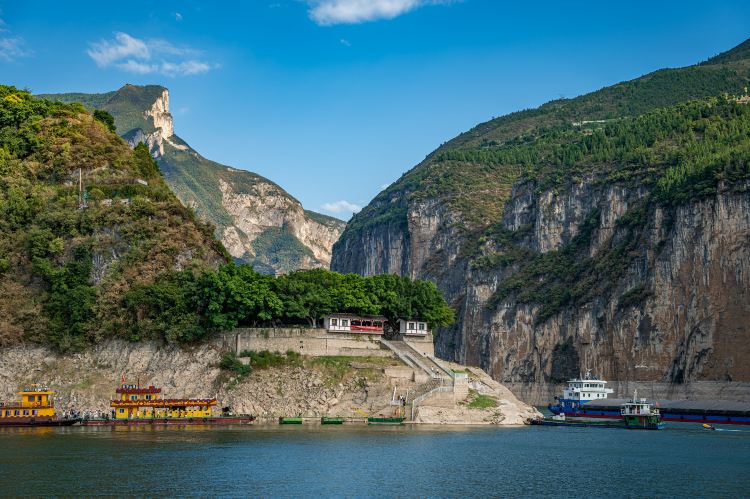
White Emperor City Qutang Gorge Scenic Spot
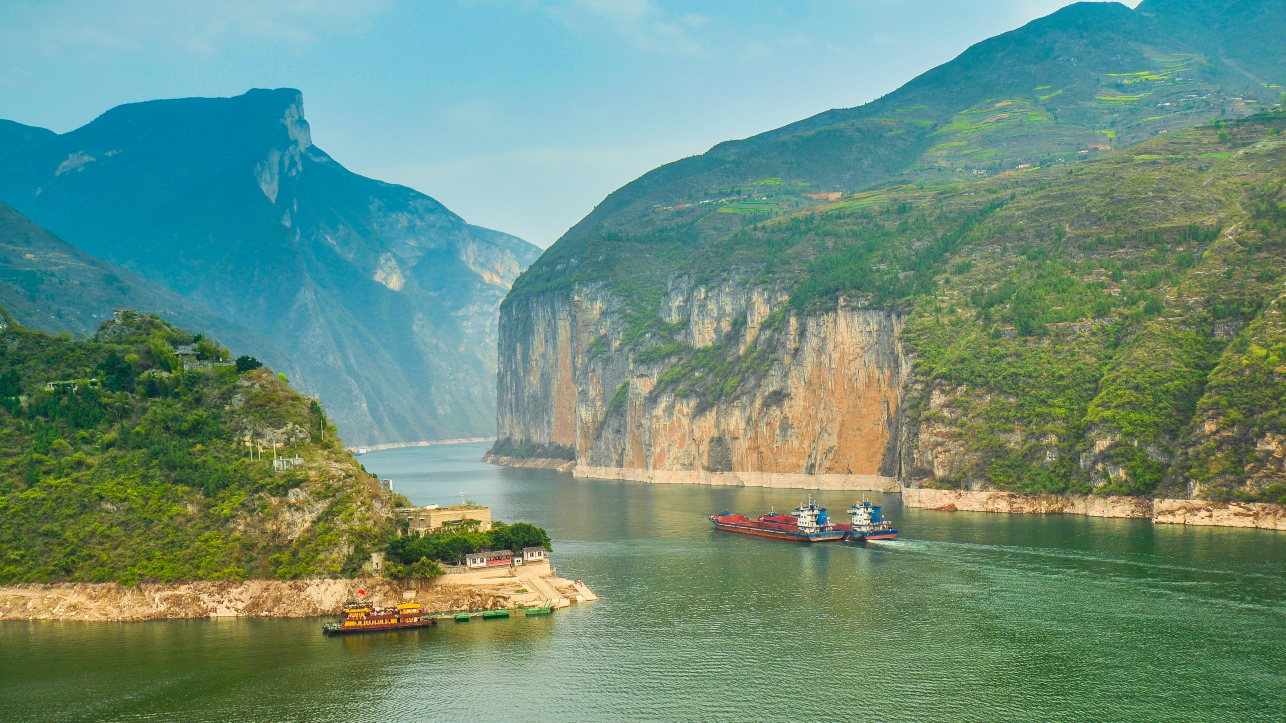
The White Emperor City Qutang Gorge Scenic Spot is located on Baidi Mountain along the northern bank of the Yangtze River at the entrance of Qutang Gorge in Fengjie County, Chongqing. Situated at the western entrance of the Three Gorges, it faces Kuimen to the east, Baiyan Mountain across the river to the south, Fengjie County to the west, and Jigong Mountain to the north, approximately 10 km east of Fengjie County. Covering an area of 6 km², the attraction primarily consists of two major sections—White Emperor City and Qutang Gorge—featuring numerous historical sites that blend nature with culture, poetry with wartime legacy, serving as the starting point to experience the grandeur of the Three Gorges. Officially opened to the public in 1978, it was among China's first batch of nationally opened attractions.
The attraction was originally named White Emperor City Qutang Gorge Scenic Spot. During the late Western Han Dynasty, Gongsun Shu built a fortified city in this strategic location. In 25 AD, he proclaimed himself the White Emperor and renamed the city White Emperor City. In 36 AD, the White Emperor Temple was constructed on White Emperor Mountain to worship Gongsun Shu. During the 12th year of Emperor Jiajing's reign in the Ming Dynasty (1533 AD), the temple began honoring Liu Bei and Zhuge Liang instead. Throughout the Tang and Song dynasties, renowned poets such as Li Bai, Du Fu, Bai Juyi, and Liu Yuxi visited, resided, or served as officials here, leaving behind numerous immortal poems, earning it the reputation as the "City of Poetry." After the Three Gorges Dam project raised the water level to 175 m, the White Emperor City, now surrounded by water on all sides, has become a "green island" in the "high gorge flat lake."
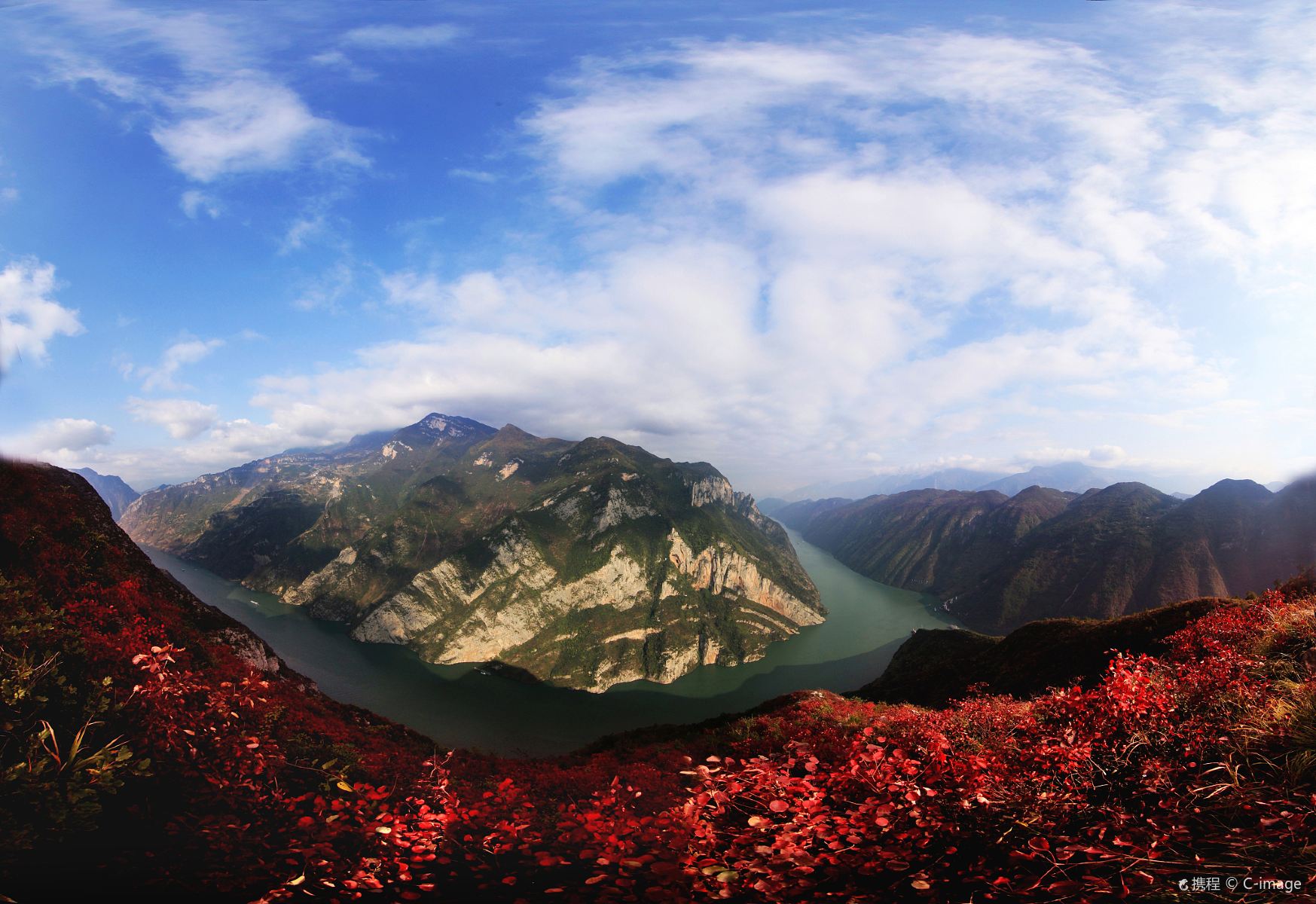
Qutang Gorge, adjacent to Baidi City, spans 8 km and combines grandeur, wonder, danger, and steepness as the shortest, narrowest, and most perilous section of the Three Gorges. On its northern bank at Chijia Mountain, visitors can explore three cultural sites—Laoguanmiao, Daxi, and Wushan Ape Man—along with attractions like the Laoguanmiao signal tower, Chijia Tower, ancient cannon platforms, cliffside plank roads, and hanging coffins in Fengxiang Gorge. The southern Baiyan Mountain features remnants of Mengliang Ladder's ancient path, cliff carvings, Rhinoceros Gazing at the Moon Peak, and Ape Man Peak—showcasing 2 million years of China's human development history.
Kuimen, also known as Qutang Pass, is a spectacular sight within the Qutang Gorge, renowned as "the most majestic under heaven." Located at the western entrance of Qutang Gorge, it has historically been a strategic military stronghold, guarding the passage between Bashu in the west and Jingchu in the east. The towering cliffs on both banks rise steeply like axes and knives, standing upright with the mighty Yangtze River flowing through the middle. The narrow gorge forms a natural gate, locking the river within its embrace—this is Kuimen. Celebrated for its grandeur, Kuimen was praised in ancient times as "the most majestic gate under heaven" and is now honored as "China's gateway of landscapes." It is featured on the background of the CNY 10 note in the fifth series of RMB.
Fairy Mountain National Forest Park
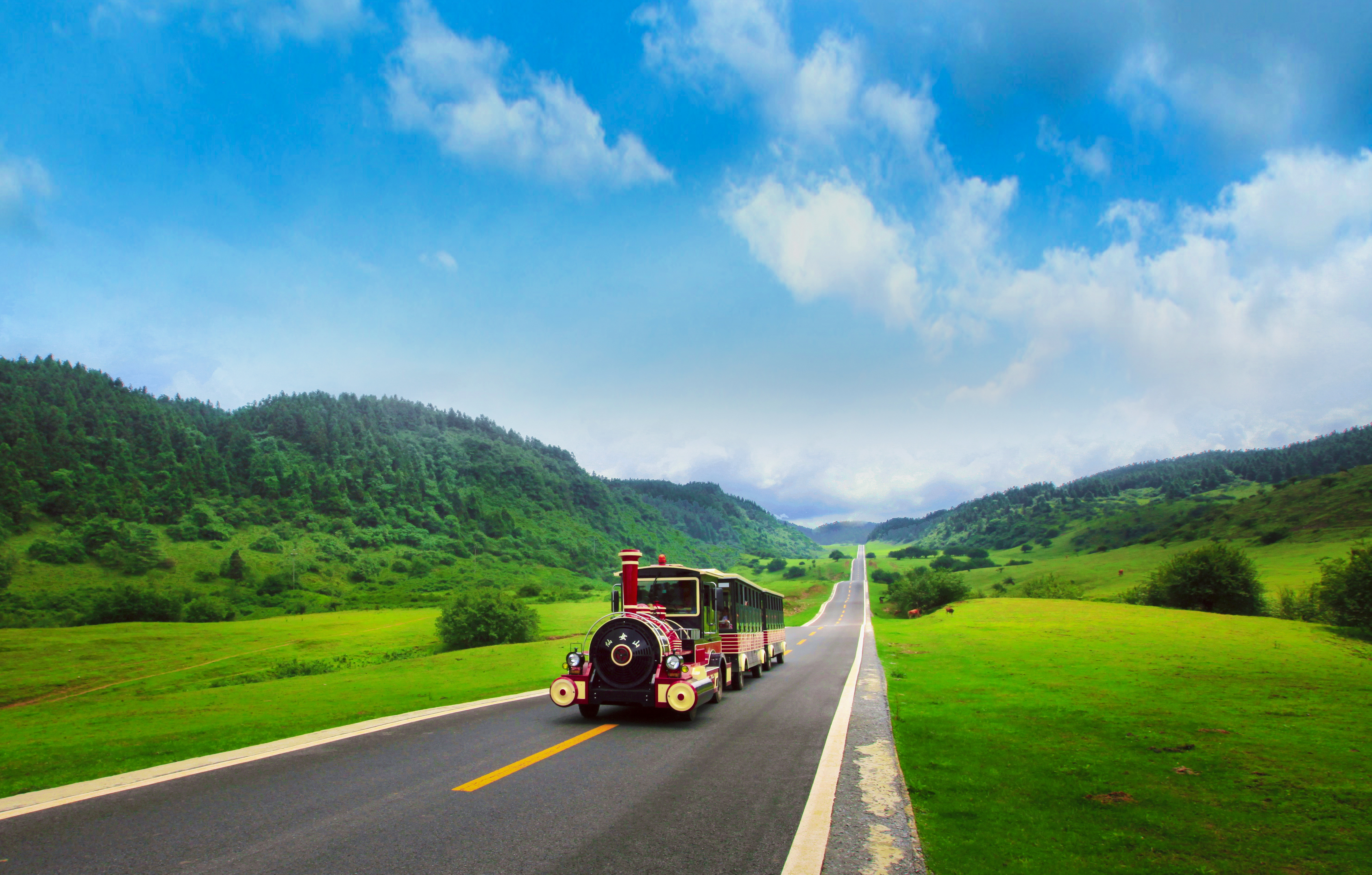
Fairy Mountain National Forest Park is located in Wulong, Chongqing, featuring rare alpine grassland scenery in southern China. Its vast forests, peculiar peaks, meadows, and snowfields are hailed by travelers asFairy Mountain"Four wonders".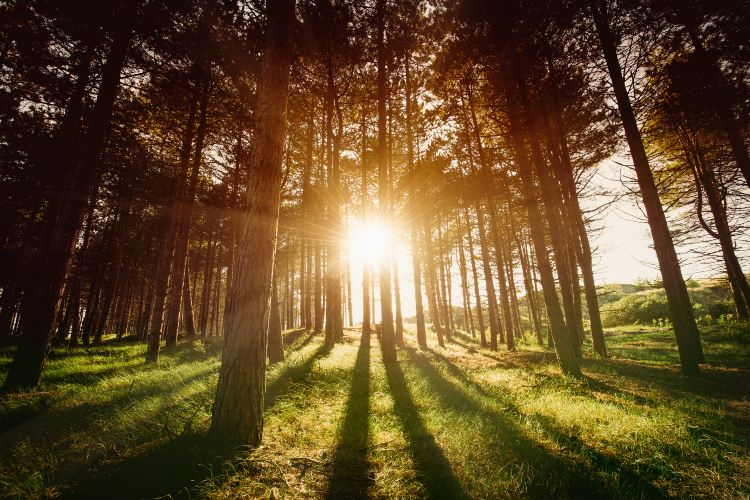
The attraction features interconnected forests and rolling hills, where numerous free-ranging cattle, sheep and horses roam. With its picturesque scenery, it is hailed as the "Little Switzerland of Chongqing." The attraction offers over 20 recreational activities including horseback riding, grass skiing, kart racing, paintball shooting, zorb ball, paragliding, bonfires and barbecues. It also provides accommodation facilities such as hotels, villa complexes, treehouse cabins, rustic lodges and European-style triangular log cabins, making it an ideal retreat for leisure and summer escapes.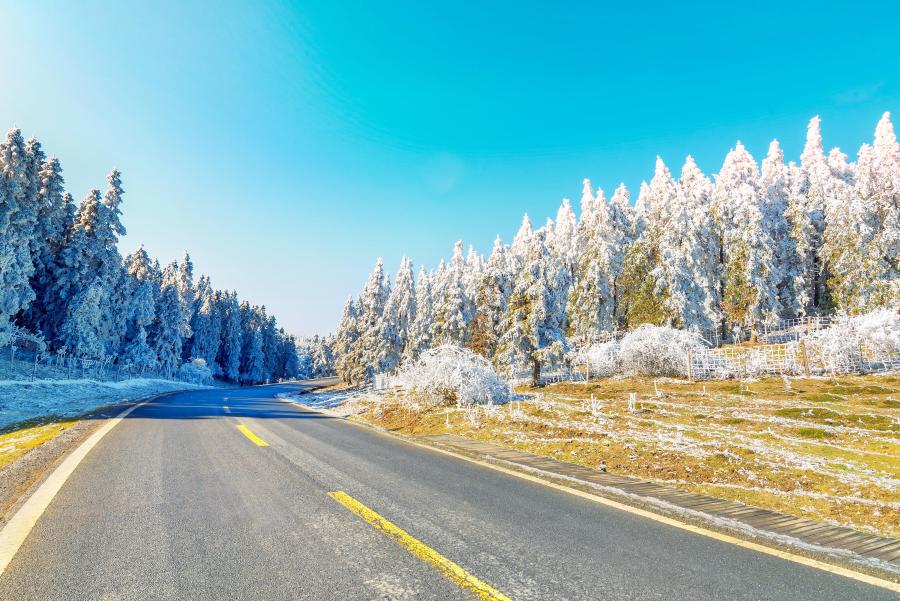
Here in winter, the land is blanketed in white snow, adorned in silver, and features a ski resort where you can admire the snow, ski, and play in the snow, experiencing the unique charm of the season.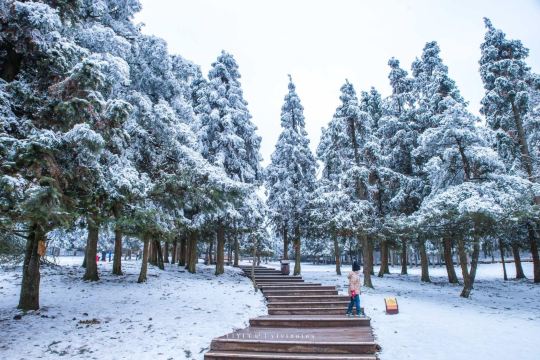
Peak of Three Gorges
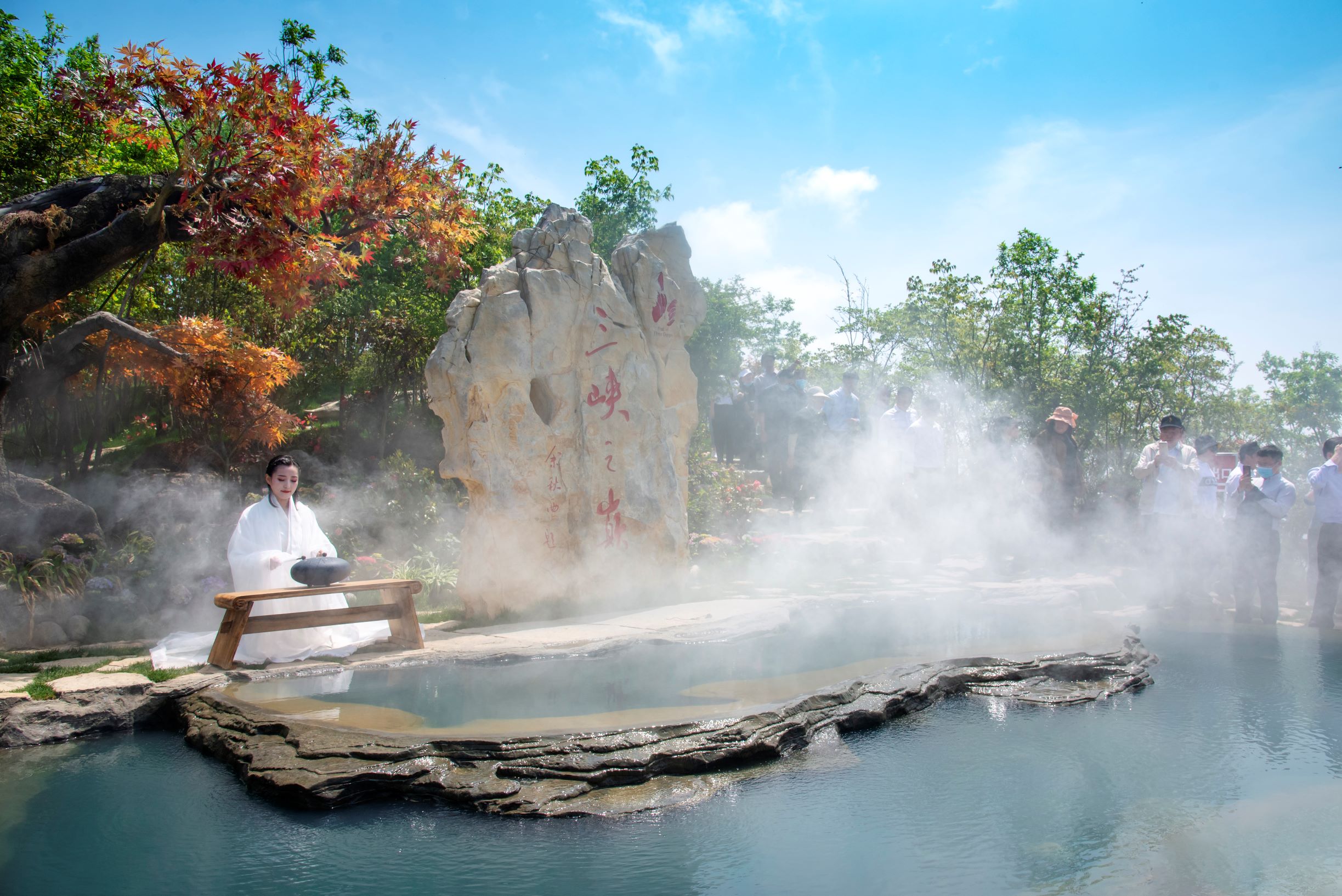
Peak of Three Gorges is located at the summit of Chijia Mountain, above Kuimen. The attraction stretches over 10 km, starting from Zuofangcao in the north, overlooking Baiyan Mountain in the south, facing Baidi Poetry City in the west, and bordering Wushan Airport in the east. Named after Du Fu's poem "Kuizhou Songs: Ten Quatrains" which describes "Chijia and Baiyan piercing the sky, with winding paths reaching the mountain peak," it officially opened on May 1, 2020, and was rated as a National AAAA-level tourist attraction in October 2020.
Located in one of the birthplaces of ancient Kuile music from over 4,000 years ago, this attraction honors Kui, a legendary musician and the originator of ceremonial music in Chinese history. It seamlessly blends lush landscapes with cultural roots, music, and dance, vividly portraying the timeless beauty of "green mountains as an eternal painting, clear waters as an ageless zither." The site features sacred music landmarks including the Kuile Drum Altar, Siwang Music Platform, Statue of the Music Ancestor, Kuile Gate, Bamboo Rhythm Pavilion, and Welcoming Dragon Terrace.
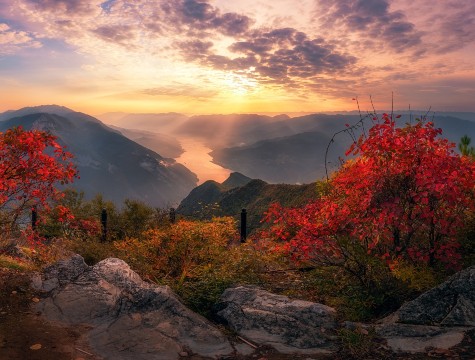
The highest point of the attraction stands at an elevation of 1,388m, representing the pinnacle of the Yangtze River Three Gorges in physical form, the most breathtaking view, the highest cultural significance, the supreme spiritual level, and the ultimate in green development. Ascending to this spot, you'll find yourself surrounded by swirling clouds and radiant sunsets. Gazing into the distance, you'll see endless mountain ranges and towering peaks. Looking down from above, the Yangtze River winds like a jade ribbon. Step onto the glass walkway to experience the unparalleled sensation of "standing atop the highest peak and surveying all smaller mountains below," taking in a panoramic landscape painting that intertwines suspension, thrill, awe, and wonder.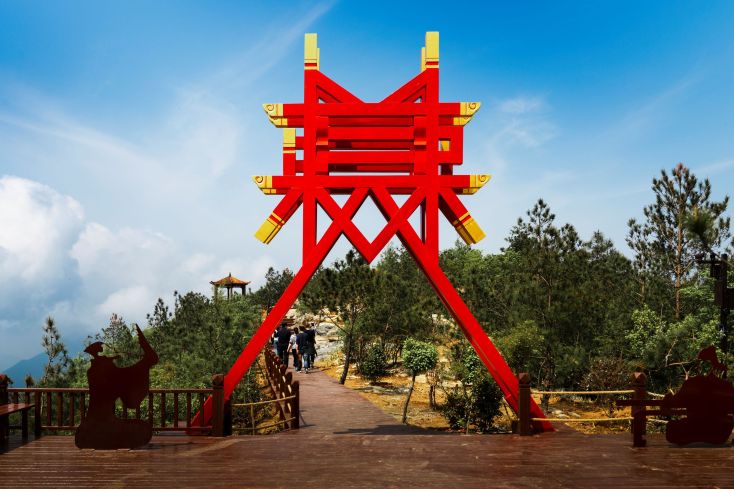
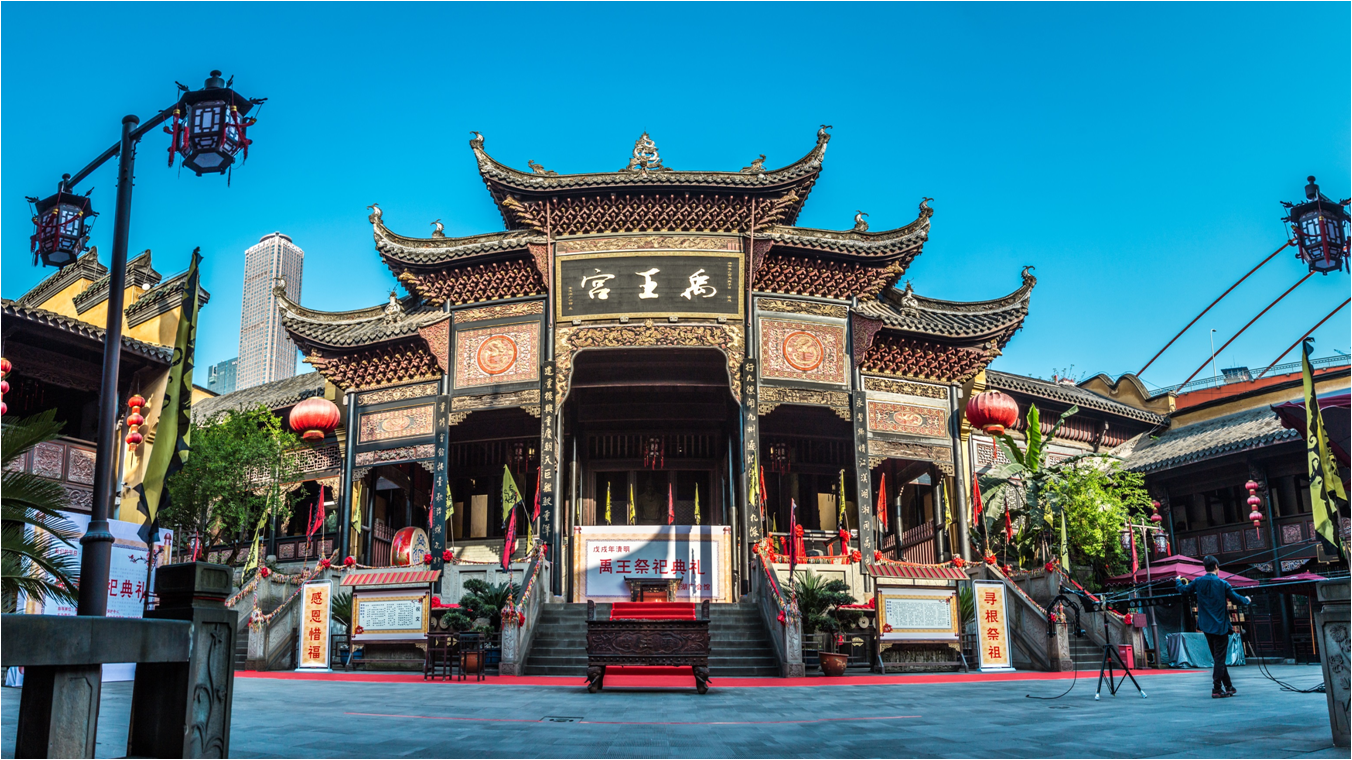
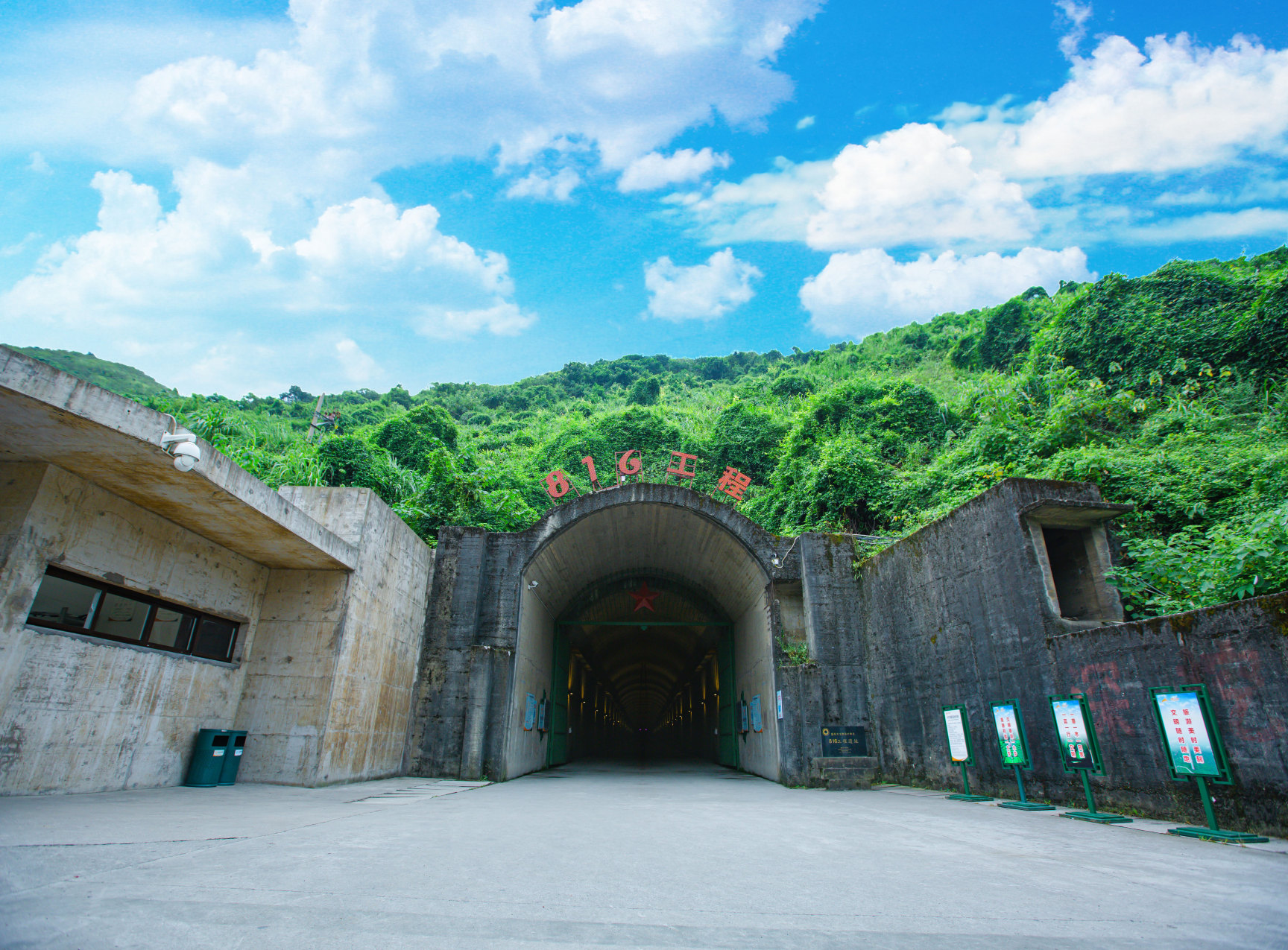
816 Project
The 816 Project Scenic Spot is located in Baitao Street, Fuling District, Chongqing City. It is a nuclear raw material production base independently designed and constructed by the People's Republic of China and deployed in a cave. It has the top-secret code name "816". The construction was approved by the Central Military Commission in 1966. Its full name is the "Third-line Construction Atomic Energy Reactor and Chemical Reprocessing Project." It is a typical representative of more than 1,100 projects in the "Third Line Construction" of New China. That year, more than 60,000 construction troops from across the country were mobilized to Baitao to start the 18-year project construction. The project has gone through three stages: emergency construction, delayed construction, and construction suspension. The total excavation area is 104,000 square meters. The tunnel consists of 18 large holes and more than 130 pilot tunnels, branch tunnels, tunnels and shafts. The main cavern is as high as 79 . 6 meters. By 1984, 85% of the construction work had been completed, and about 60% of the installation work had been completed. The total investment reached 746 million yuan (price in that year). Due to the complexity and arduousness of the engineering design and construction, it is known as the "Three Gorges in the Cave, the Underground Great Wall" and the "Heshi Bi buried deep in the mountains". It also has the characteristics of the "Three Gods" of magic, mystery and sacredness.
102 component storage pool
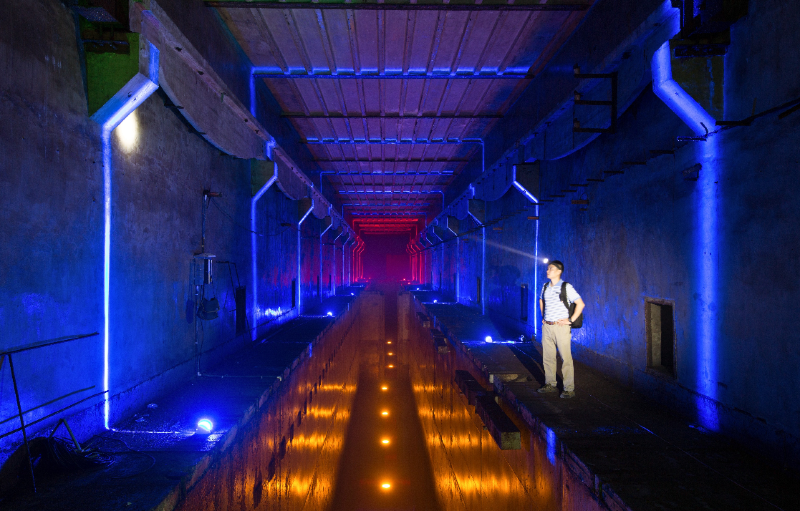
The location where CCTV's “Going to the Grassroots” special report “Remember” column covers an area of 1,326 square meters. Its main function is to accept components and non-working blocks removed from the reactor, as well as store and classify non-working blocks. The 102 factory building is divided into two parts: the operation room and the pool. Each pool is equipped with water gates (9 sets in total) for the pool to be filled and drained in turn. There are 400 bucket positions with poles in the entire pool for long-term storage of original parts and non-working blocks. After the components are stored for one year, they will be cleaned by special water. Send it down the corridor to Factory 818.
Ring Road 8
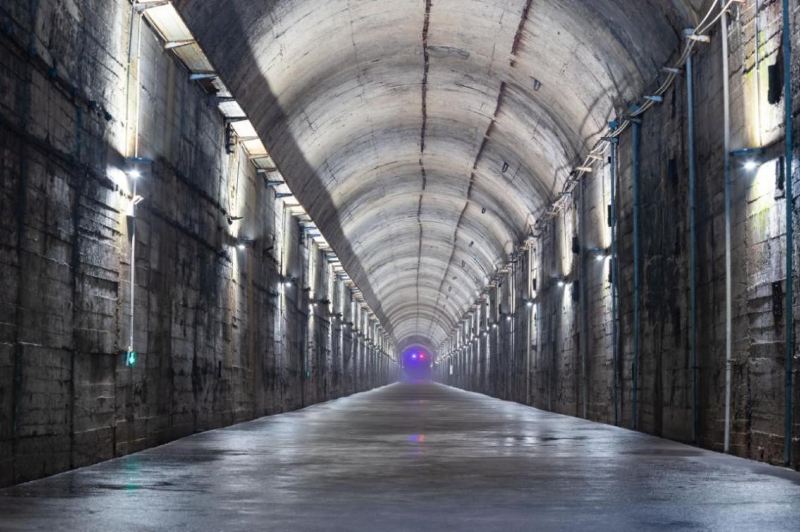
Located in the post-processing area of the entire project. It is huge in size, majestic in surroundings, and the beautiful lights perfectly outline the majesty of the cave. You might as well come here to explore the mystery and magic of the original ecological cave.
Reactor pot bottom
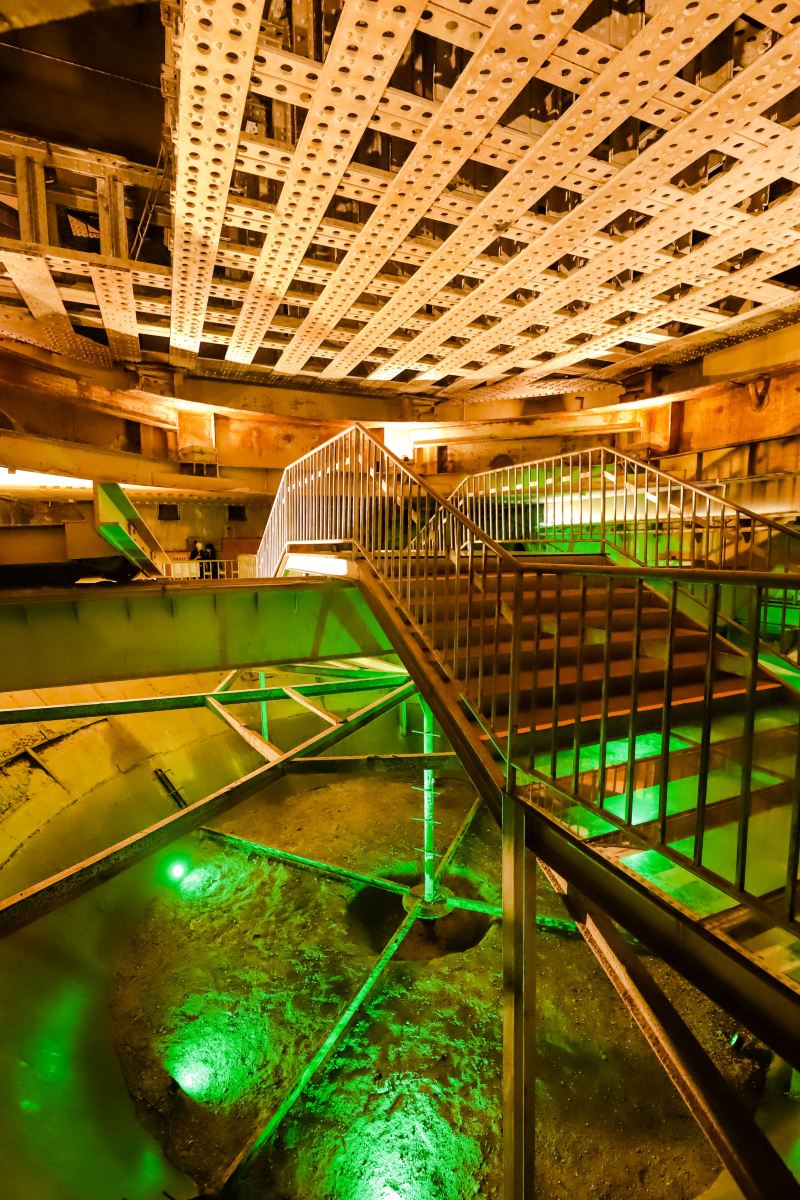
Located on the third floor of the main reactor. There are many pipe corridors above the bottom of the pot, which is spectacular. The construction of the glass corridor allows visitors to have a better experience, walk quietly under the pot, and overlook the long nuclear light.
central control room
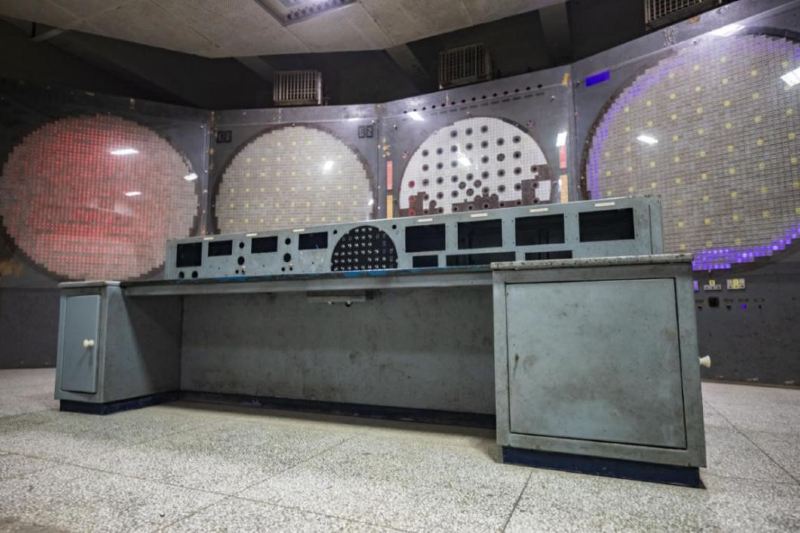
Located on the ninth floor of the reactor. The most advanced computer body in the country at that time was housed here, which was the "heart" of the entire military industry cave and the central hub for coordinating the entire nuclear fuel manufacturing process.
The 104 Nuclear Power Plant is 31.2 meters high and 25 meters wide. The reactor is a dual-purpose reactor for production and power generation. It uses its nuclear waste heat to generate electricity in accordance with the principle of "focusing on nuclear production and supplementing power generation, producing first and then generating electricity".
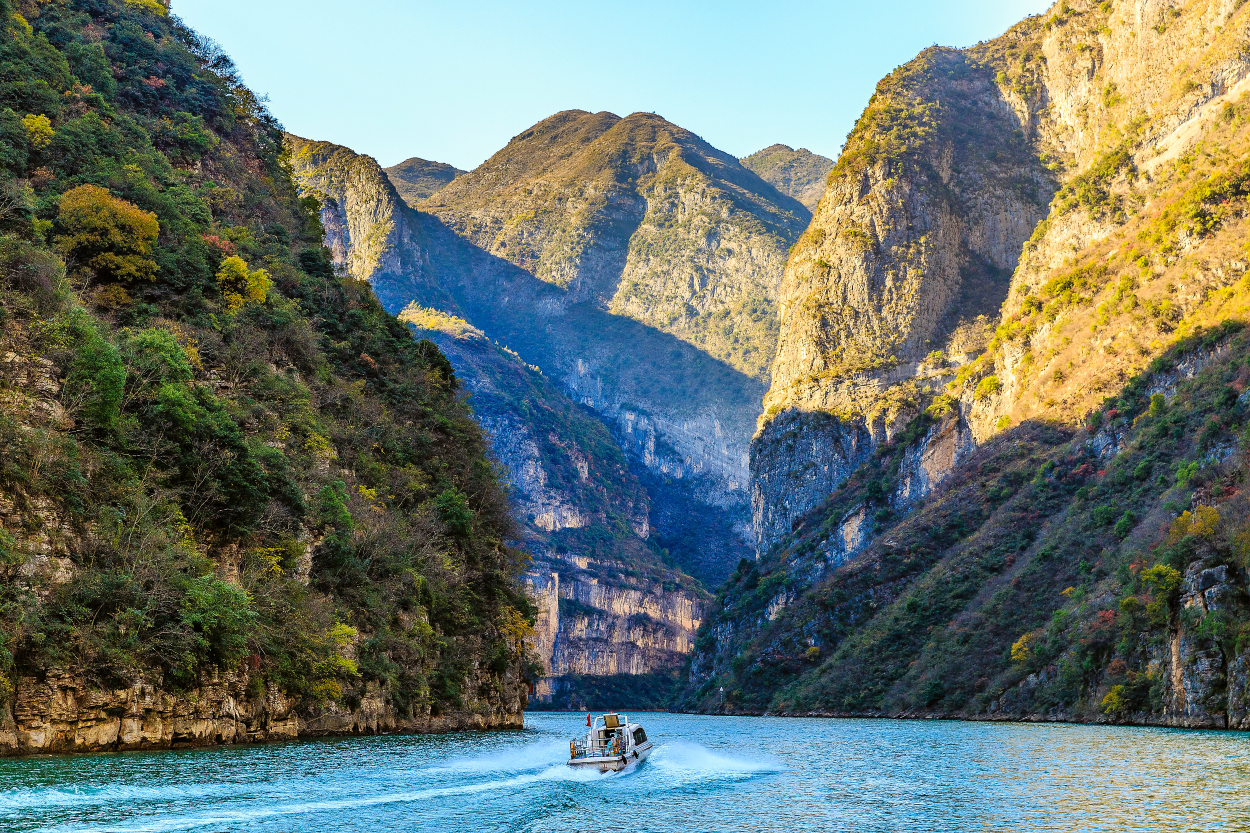
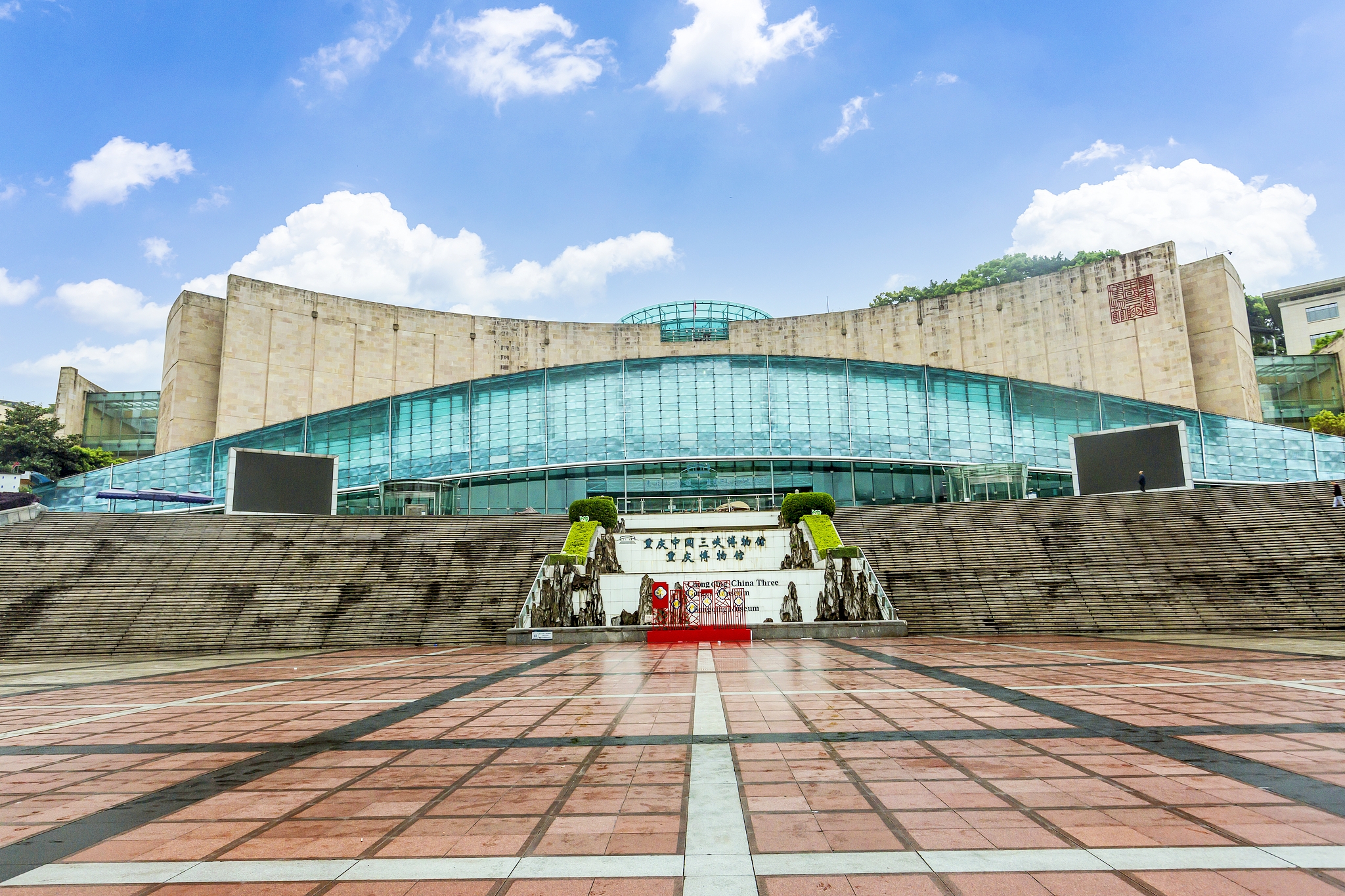

Chongqing Festivals & Events
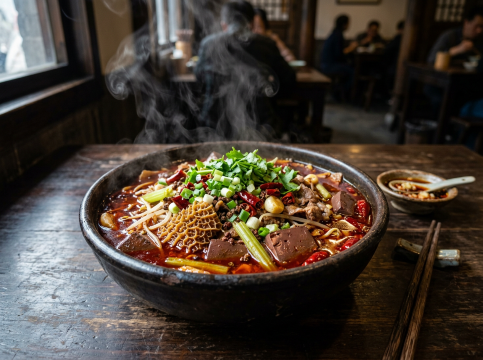
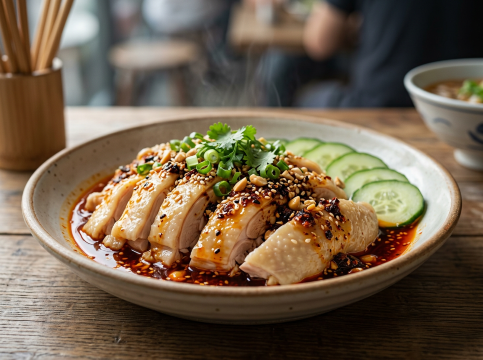
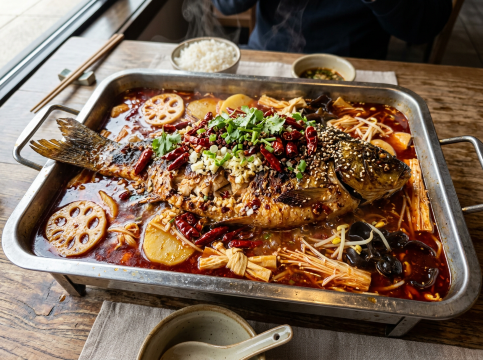
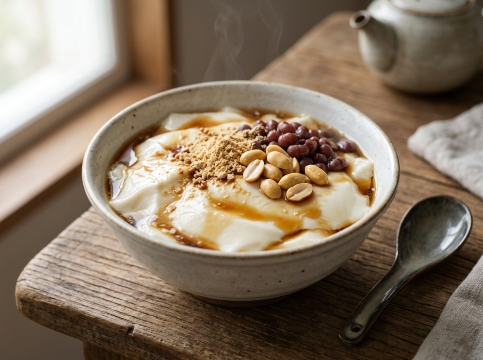
Taste the City
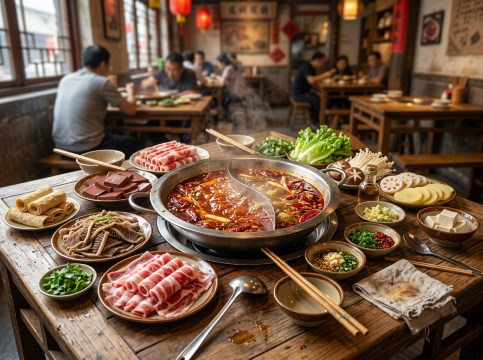
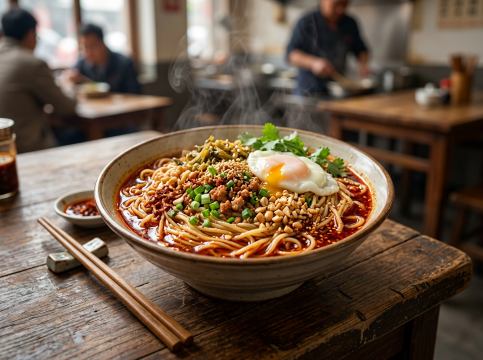
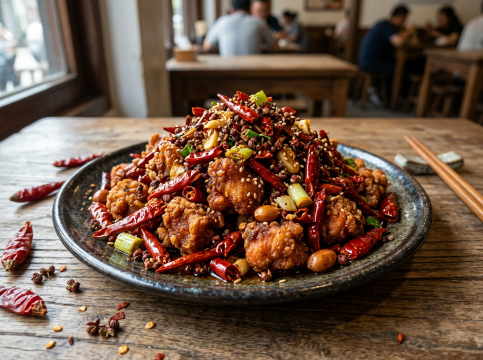
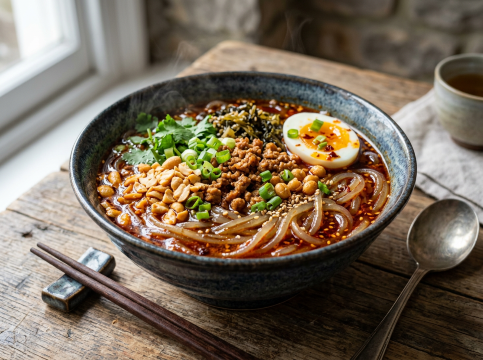
Plan Your Trip
Recommended Stays
 1
$74
1
$74
 2
$28
2
$28
Traveling to the hotel is easy with Chongqingbei Railway Station located approximately 8km away and Chongqing Jiangbei International Airport roughly 20km away. Just a short walk from Xiaoshizi Metro Station, traveling to most city destinations is a breeze. Guests will find Jiefangbei Pedestrian Street, Yangtze River Cableway and Shibati just a short distance from the hotel.
After a long day of sightseeing, guests can retire to the comfort of the hotel. Guests of this Chongqing hotel can make use of the parking facilities.
Our guests consider this hotel to have excellent service. This hotel is a popular accommodation for guests traveling with families.
 3
$62
3
$62
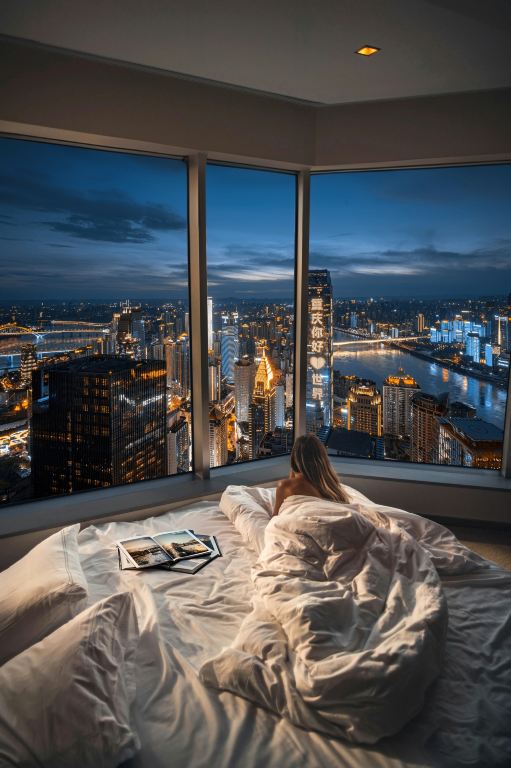
The hotel is surrounded by popular scenic spots. Within walking distance, you can reach the People's Liberation Monument (approx. 322 meters), Yangtze River Cableway (approx. 490 meters), and the Chongqing Skyline Observation Deck (approx. 420 meters). You can easily explore Bayi Road Good Food Street and indulge in authentic local cuisine. Transportation is extremely convenient, with the hotel being only 400-500 meters away from Xiaoshizi Station, the interchange station for Rail Transit Lines 1 and 6, providing quick access to Chaotianmen, Nanbin Road, and more.
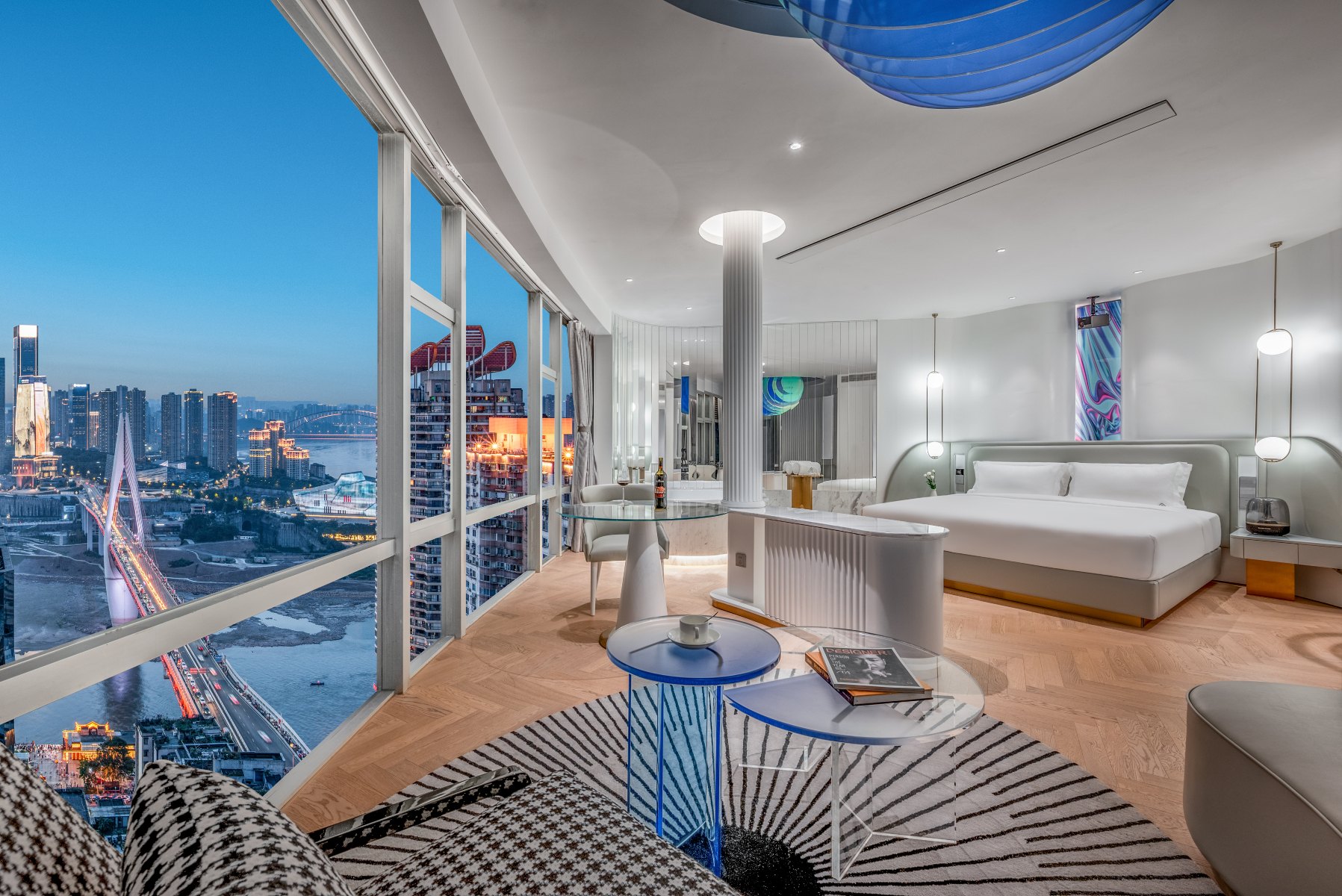
The hotel elegantly appointed rooms, with suites offering spacious layouts ranging from 45 to 168 square meters. The rooms primarily feature River View Suites and City View Suites, especially the Two-Bedroom Executive River View Suite and Sky Canopy Two-Bedroom River View Suite, equipped with 270° panoramic views, allowing guests to enjoy the mesmerizing 8D magical night view and the magnificent scenery where the two rivers converge. Modern facilities are comprehensive, with all rooms equipped with air conditioning, LCD TVs, minibars, microwaves, refrigerators, and washing machines with drying functions, providing great convenience for long-stay or family guests.
The hotel offers comprehensive services and facilities, including a 24-hour front desk and free luggage storage service. Guests can enjoy a Chinese and Western buffet breakfast at the Nanlu · Yue Restaurant to start their day beautifully, or work out in the fitness center to stay active. Additionally, the hotel provides paid private parking, airport pick-up service, as well as meeting rooms and a multi-function hall, catering to the diverse needs of different guests.
Asiam Hotel is the preferred quality and cost-effective choice for family trips and parent-child travel to Jiefangbei, Hongyadong, and Guanyinqiao in Chongqing.
If you have any specific needs for your trip planning, feel free to ask me. As an AI assistant, I can provide real-time information and recommend the most suitable itineraries and hotel packages for you.
 4
$50
4
$50
 5
$78
5
$78
The hotel is conveniently located just 8km from Chongqingbei Railway Station and 21km from Chongqing Jiangbei International Airport. The closest major public transportation, Chaotianmen Metro Station, is only 100m away. With multiple attractions nearby including ChongqingTour Of Jialing River And Yangtze River - Chaotian Series, Chongqing Three Gorges Cruise and Yangtze River Three Gorges - Yangtze Futai Cruise, guests will find plenty to keep themselves occupied.
At the end of a busy day, travelers can unwind and relax in the hotel or go out and enjoy the city. This Chongqing hotel provides parking on site.
If you demand a high level of service, our guests have indicated that this hotel has excellent standards. This hotel is particularly popular with those traveling with friends.
 6
$25
6
$25
 7
$15
7
$15
[High-speed WIFI] Each room is equipped with independent WIFI and 100M optical fiber, ensuring smooth streaming while you enjoy Douyin or binge-watch your favorite shows. Additionally, each room is furnished with a DuerOS smart voice assistant, providing you with a unique stay experience.
[Hotel Facilities] Every room is equipped with a high-definition TV, offering you a wide range of quality programs. Each room also features an independent air conditioner, 24-hour hot water, a hair dryer, high-quality toiletries and scented bath products. We also provide disposable slippers, disposable toilet seat covers and soft, skin-friendly bedding to enhance your stay.
The hotel offers various room types including king-size beds, standard rooms and family rooms to meet the needs of all guests and ensure a comfortable stay.
[Surrounding Attractions]
1. Jiefangbei Pedestrian Street
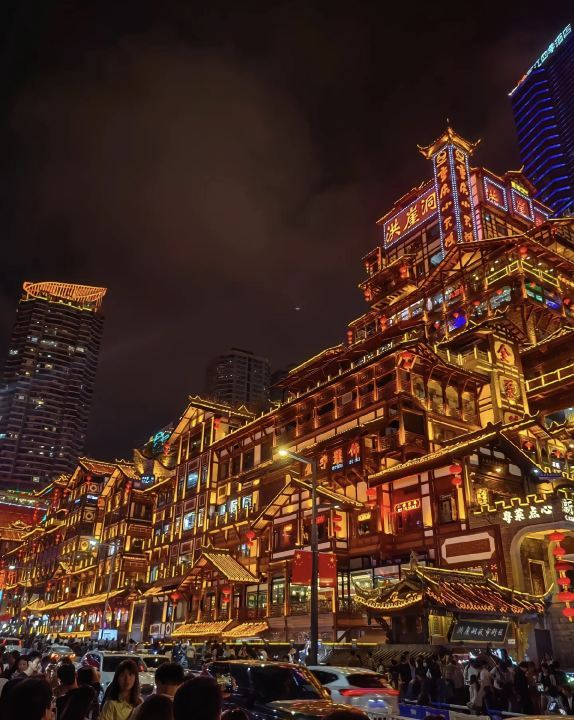
2. Hongyadong Folk Custom Area
3. Chongqing Two Rivers Cruise
4. Chongqing Cloud Eye Observation Deck
5. Chongqing Shiba Ti Traditional Area
6. Chongqing Delicious Street Night Market
[Hotel Advantages] Our hotel boasts an excellent location, spacious rooms and modern decoration. It attracts over 300,000 young business consumers annually. Whether you are traveling alone, with friends or on a business trip, you will be pleasantly surprised by the unique experience here. Our hotel is your ideal choice.
[Service Hotline] For any needs, please call our 24-hour service hotline: +86-18983140203
[Service Features] Personalized butler service.
—Rain or shine, we are here waiting for you at this hotel! All the staff of our hotel sincerely welcome your arrival!
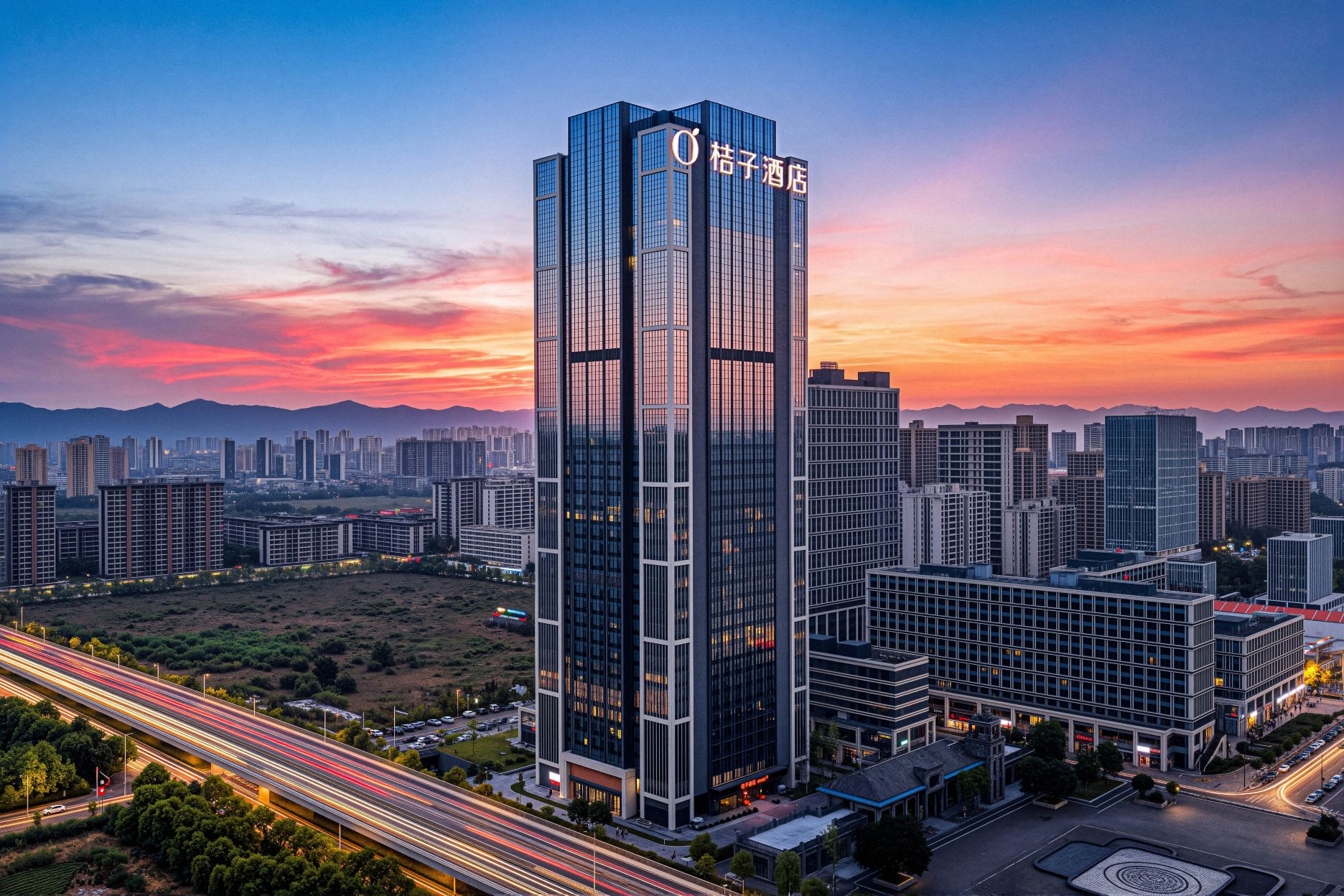 8
$41
8
$41
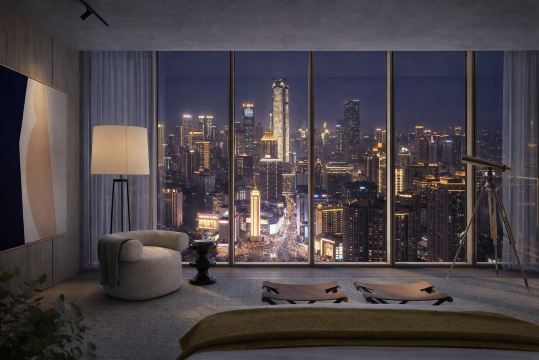 9
$38
9
$38
Core Location · Within Reach of Landmarks
Nestled at the golden junction of two core scenic spots – Jiefangbei and Hongyadong – the hotel is within walking distance of Jiefangbei Pedestrian Street, where you can feel the profound history of the Monument to the Victory of the War of Resistance Against Japanese Aggression and the trendy vitality of the business district. No need for long journeys, you can easily visit the traditional Ba Yu stilted building complex. The surrounding transportation network is well-developed; Xiaoshizi Station of Metro Lines 1, 2 and 6 is accessible on foot, enabling convenient access to attractions like the Yangtze River Cableway and Chaotianmen Raffles City. Self-driving guests can avail of exclusive parking resources nearby, ensuring a hassle-free trip.
Exquisite Accommodation · Comfortable Renewal
Centered on "exquisite accommodation", the hotel offers a diverse range of high-quality guest rooms, equipped with Gucci health-preserving mattresses, down bedding and blackout curtains. Paired with the Xiaomi AI smart room control system, it enables one-click control of lights, air conditioning and curtains, creating a quiet and reassuring resting environment. Each room is fully furnished with a Dyson hair dryer, imported British toiletries, 24-hour hot water and high-speed WiFi. Some room types are additionally equipped with a sofa lounge area and a high-definition projection TV, catering to both business and leisure needs.
The public areas are well-equipped, providing 24-hour front desk service, intelligent robot delivery, express check-in/check-out and luggage storage, exuding thoughtfulness in every detail. The self-service breakfast restaurant on the second floor serves a rich variety of meals daily. In addition to classic Chinese and Western dishes, it exclusively features local flavors such as Chongqing noodles, hot and sour noodles and freshly made tofu pudding, allowing your taste buds to embark on a mountain city journey from the morning. Furthermore, the hotel is equipped with a laundry room, public area monitoring and a fresh air system, fully guaranteeing the safety and comfort of your stay.
Surrounding Scenery · A Blend of Vitality and Elegance
From the hotel, you can reach numerous iconic Chongqing attractions and hidden gems on foot. Beyond the prosperity of Jiefangbei Business District and Hongyadong's reputation as an internet-famous check-in spot, there are many other treasure destinations worth exploring: stroll along the Daijia Lane Cliff Walk and feel the collision between old alleys and skyscrapers on the hanging plank road; visit Luohan Temple, tucked away in the downtown area, and experience the Zen charm of ancient and modern integration amid the vermilion temple walls; walk to Bayi Food Street to taste authentic snacks like Haoyoulai Hot and Sour Noodles and Mountain City Glutinous Rice Balls in one stop, immersing yourself in Chongqing's vibrant vibe. Attractions such as Chongqing Guotai Arts Center and Shancheng Lane Historical and Cultural District are also within walking distance, easily linking a mountain city tour that combines history, culture and food.
Night View Feast · Explore Diverse Perspectives
Although there is no river view from the hotel rooms, its prime location allows easy access to multiple vantage points for enjoying the mountain city's night view. In the evening, walk to the 9th-floor observation deck of Hongyadong to admire the brilliant lights of the stilted building complex as dusk falls, as if stepping into the dreamy scene of "Spirited Away". Or head to the north end of Qiansimen Bridge to take photos of Hongyadong and the Jialing River together, feeling the flowing lights on both sides of the Yangtze and Jialing Rivers. For a niche perspective, visit the Bayi Road Rooftop Observation Deck to overlook the interweaving lights of Jiefangbei Business District and Raffles City, or check in at the cyberpunk light tunnel in the sunken plaza of Deyi World for unique night view photos. After returning at night, the surrounding hot pot restaurants and skewer shops remain lively, allowing you to savor authentic butter hot pot anytime and continue the vibrant night life of the mountain city.
Added Travel Value · Thoughtful Support
The hotel delves deep into local experiences, providing guests with exclusive travel guides, recommending crowd-avoiding niche routes and hidden local food spots. The front desk can assist in booking Hongyadong tickets and Sichuan opera face-changing performances, making itinerary planning more efficient. For family travelers, it offers thoughtful amenities such as children's books and multi-specification power sockets; business guests can use business facilities like copying, faxing and multimedia presentations to meet diverse travel needs.
Built on the standard of exquisite accommodation and leveraging its prime location, Chongqing Holiday Four Seasons Hotel (Jiefangbei Hongyadong Branch) allows every traveler to have a comfortable and reassuring haven while wandering through the mountain city's streets and indulging in the brilliant night view, deeply experiencing the magic and tenderness of Chongqing.
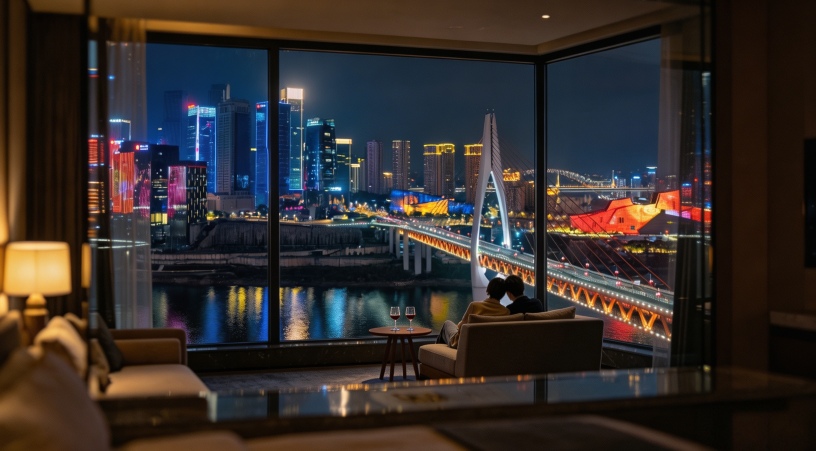 10
$30
10
$30
Prime Location · Steps from Landmarks
The hotel is located right above the Hongyadong area – “just across the street from the 11th floor of Hongyadong.” It is a 10-minute walk to Jiefangbei Pedestrian Street and Bayi Snack Street, and the entrance to Hongyadong is downstairs. With excellent transport links, it is a 470‑meter walk to Linjiangmen Station (Metro Line 2) and 480 meters to Xiaoshizi Station (Lines 1 & 6). Attractions such as Chaotianmen Raffles City, the Yangtze River Cableway, and Shibati can be easily reached. For self‑driving guests, ample parking is available nearby.
Cozy Stay · Sleeping by the River
The hotel features 91 guest rooms, designed around the concept of a “refined travel experience.” All rooms offer high‑speed Wi‑Fi, high‑definition screen‑casting TVs, and smart home controls for a convenient and tech‑savvy stay.
Room types include:
River‑view Double/Twin Rooms – first‑line river views, overlooking the Hongyadong night scene, Qiansimen Bridge, and the Jialing River. Some come with a bathtub by the window.
River‑view Family Rooms – 23–26 m², equipped with children’s slippers, toothbrushes, and other kid‑friendly amenities.
180° Jialing River View · Floating Island Bathtub Suite – floor‑to‑ceiling windows, soft bedding, and a relaxing bath with a river view.
Other options include side‑view and city‑view rooms. Public facilities include 24‑hour concierge service, self‑service laundry, express check‑in/out, and luggage storage. Guests particularly praise the strong water pressure and fast hot water.
Panoramic Views · 360° Enjoyment
On the 15th floor, the hotel offers a lobby lounge and a dedicated rooftop‑style viewing platform, described by guests as a “private spot for the best night views without the crowds.” The 180° panoramic breakfast room serves a Chinese & Western buffet daily from 07:00 to 09:30 (35 RMB/person), featuring local favourites like Chongqing noodles and Sam’s Swiss rolls. The lobby also has a café serving double‑portion river‑view afternoon tea.
Nearby Attractions · City Vibes & Hidden Gems
From the hotel, you can easily explore:
Hongyadong – just steps away, magical at night.
Daijia Alley Cliff Walkway – suspended walkways with views of old alleys and skyscrapers.
Kuixinglou (Kuixing Building) – experience the “first floor or 20th floor” illusion.
Bayi Snack Street – a food lover’s paradise.
Yangtze River Cableway & Guotai Art Center – all within walking distance.
Night Views · A Symphony of River & City
Your river‑view room is your private viewing deck – at night, the lights along the Jialing River, Hongyadong’s golden silhouette, Qiansimen Bridge, and the Grand Theatre are all reflected on the water. You can even watch drone shows from your window. For an immersive experience, walk to the 11th‑floor viewing platform of Hongyadong or Qiansimen Bridge. For a cyberpunk twist, visit Deyi World’s sunken square. Late at night, hotpot restaurants are still steaming – perfect for a true Chongqing evening.
Extra Touches · Thoughtful Service
The front desk can help book river cruises, the *1949* show, and day tours. Many reviews highlight the warm and helpful staff – including “Xiao Ai,” “Xinxin,” and “Caicai” – who take photos, give coffee and snacks, and offer free late check‑out. Families can request children’s toiletries and baby cots. The hotel also has a gym and business centre.
Chongqing Holiday River View Hotel combines first‑line river views, a prime location, offering every traveller a comfortable harbor to experience the magic and warmth of Chongqing.
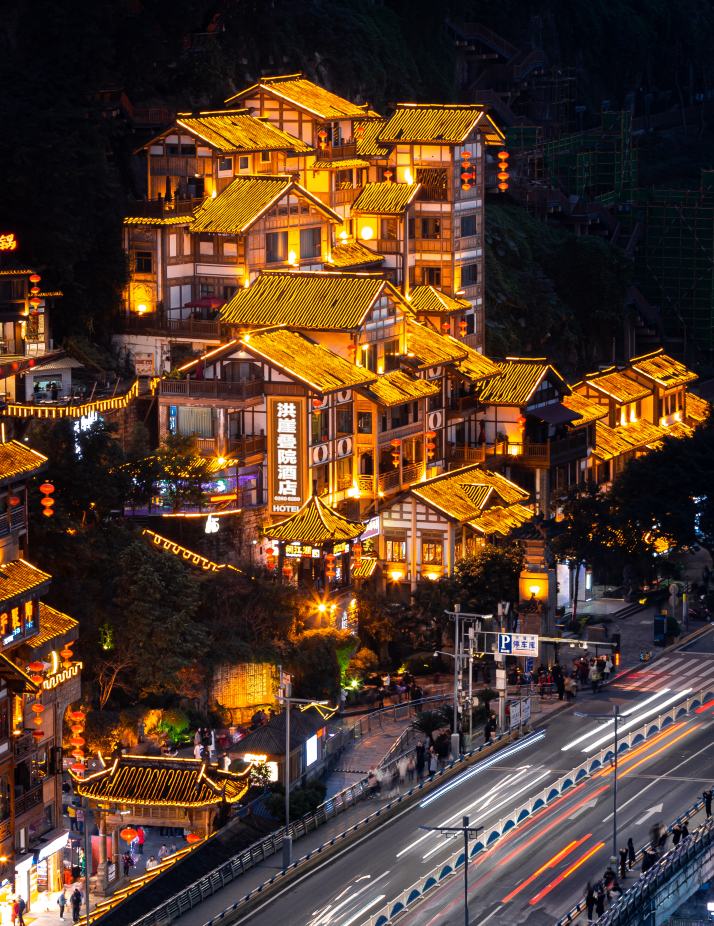 11
$51
11
$51
With Chongqingbei Railway Station just 8km away and Chongqing Jiangbei International Airport only 23km away, transportation is very convenient. Transportation around the city is also convenient, with Linjiangmen Metro Station within walking distance. There's plenty to do nearby, with Jiefangbei Pedestrian Street, Chongqing Huguang Guild Hall and Chongqing Science and Technology Museum all within a short distance.
In their spare time, guests can explore the hotel's surroundings. For those driving themselves, parking is provided on site.
If you demand a high level of service, our guests have indicated that this hotel has excellent standards. This hotel is particularly popular with those traveling with families.
 12
$25
12
$25
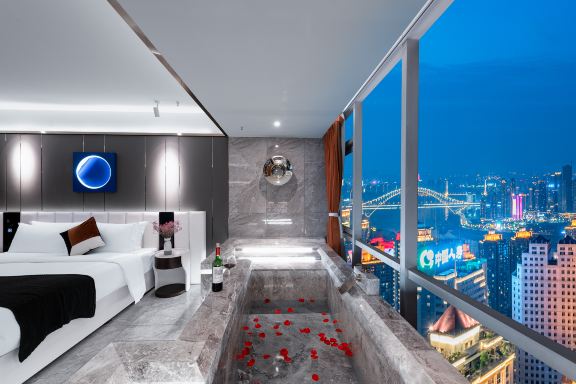
[Hotel] This hotel exudes mystery everywhere, making staying here potentially the purpose of your trip.
[Location] Located on Xinhua Road near Jiefangbei, it is an important part of the urban landmarks in the core area of Chongqing. It is planned by the Chongqing government as the Western Financial Street, surrounded by numerous banks, securities, insurance institutions within a hundred meters. Standing on the backbone of Yuzhong District, extending from Chaotianmen.
[Transportation] The nearest subway stations are Xiaoshi Zi Station for Metro Lines 1 and 6, and the Yangtze River Cableway. Public transport options include routes 603 (Lianglu-Jiefangbei), 135 (Damei Lu-Wuyi Lu-Dajulexiang-Lijia Pingliang Interchange), 261 (Chongqing University-Jiefangbei), and 405 (Guanyin Qiao-Jiefangbei) surrounding the area, providing convenient transportation.
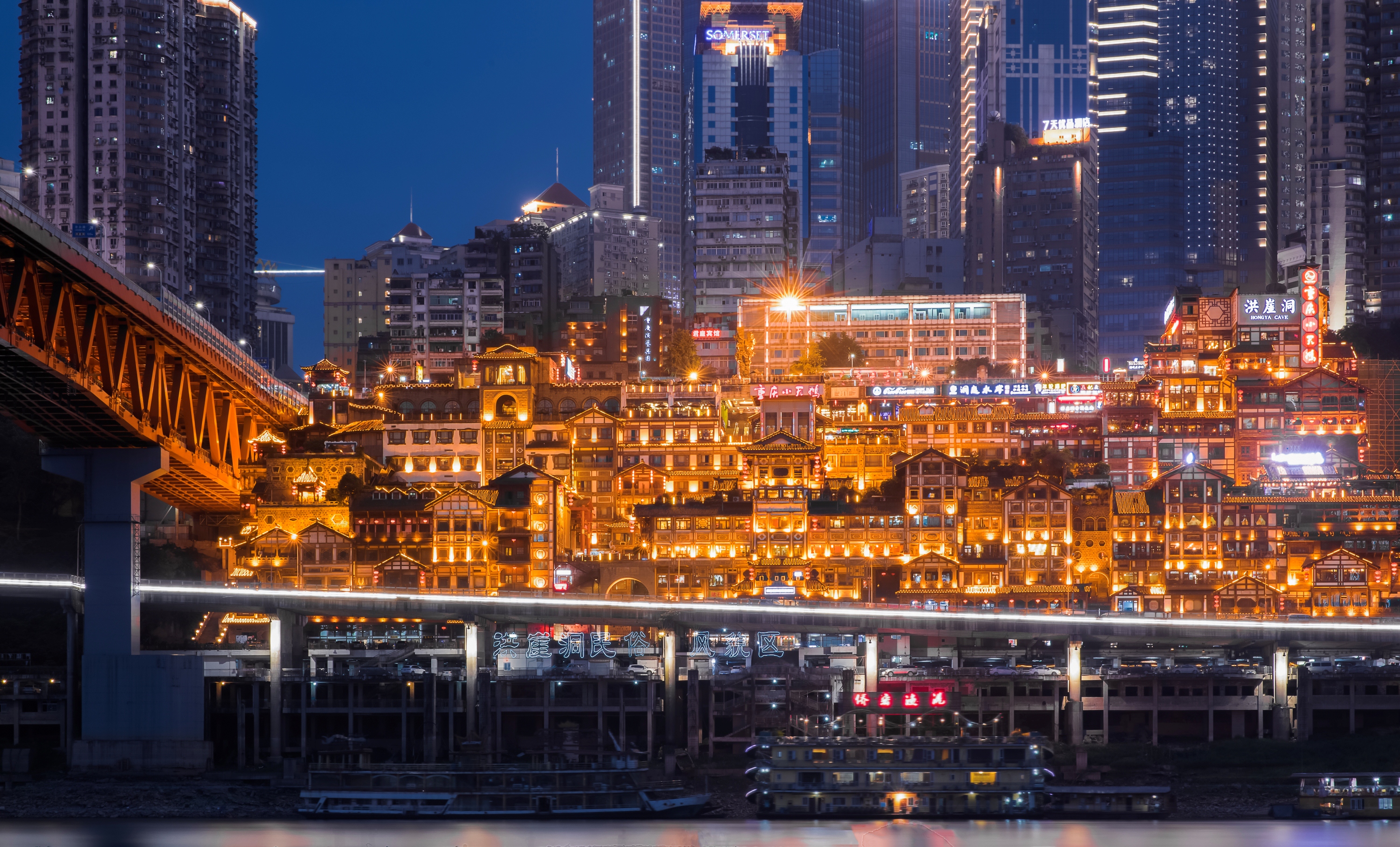
[Tourist Attractions] Just downstairs is the Yangtze River Cableway, known as the "Air Corridor of the Yangtze River" and the "Mountain City Air Bus". A ten-minute walk will lead you to Hongyadong, a representative of internet-famous landmarks, where taking photos seems more important than shopping. You can take Metro Lines 1 or 6 to Li Ziba, a trendy elevated metro line, or go directly to Eling Erchang via Metro Lines 1 or 6. Public transport can take you to any tourist attraction in the city.
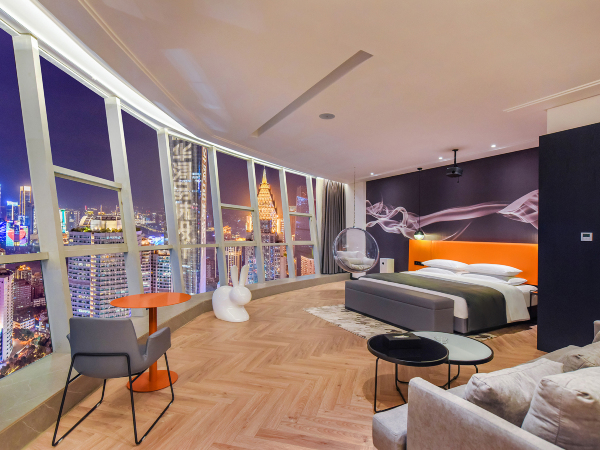
[Design] Blending the unique cultural charm of the city with dazzling trends, using modern design techniques and delicate material expressions, striving to create extraordinary future aesthetics and meticulous humanistic care, free from the hustle and bustle, living leisurely. The fashionable and innovative design concept runs through the entire hotel and guest rooms, interpreting a new level of comfort and luxury. Each room is like a work of art, defining the essence of stylish life.
[Surf Bathtub] Most room types in the hotel come equipped with window-side surf bathtubs, enjoying the comfortable experience of soaking in warm water under the night sky, savoring the enchanting view of the Yuzhong Peninsula.
[Landscape] Large floor-to-ceiling windows in each room offer a panoramic view of the high-altitude river landscape, admiring the scenery of the Yuzhong Peninsula.
[Concierge Service] One-on-one concierge service, providing full-service from check-in to departure, allowing you to experience the unique charm of this internet-famous city.
 13
$31
13
$31
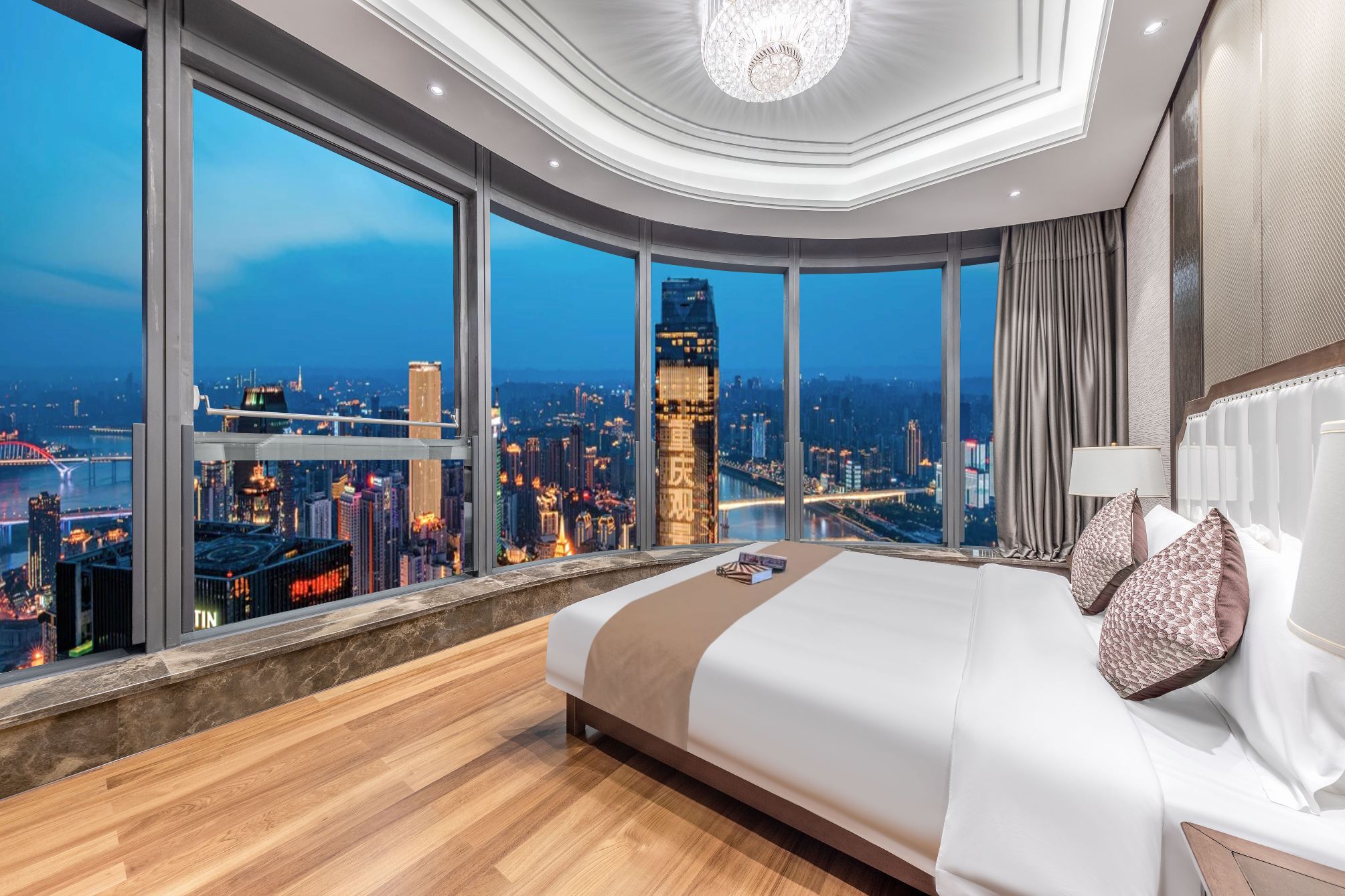
Traveling to the hotel is easy with Chongqingbei Railway Station located approximately 8km away and Chongqing Jiangbei International Airport roughly 22km away. In addition, Jiaochangkou Metro Station is just a short walk away. Guests will find Qixinggang Residential District, Jiefangbei Pedestrian Street and Shibati Traditional Scenic Area just a short distance from the hotel.
At the end of a busy day, travelers can unwind and relax in the hotel or go out and enjoy the city. This Chongqing hotel offers parking on site.
According to our guests, this hotel provides a very high level of service. This hotel is a popular accommodation for guests traveling with families.
 14
$52
14
$52
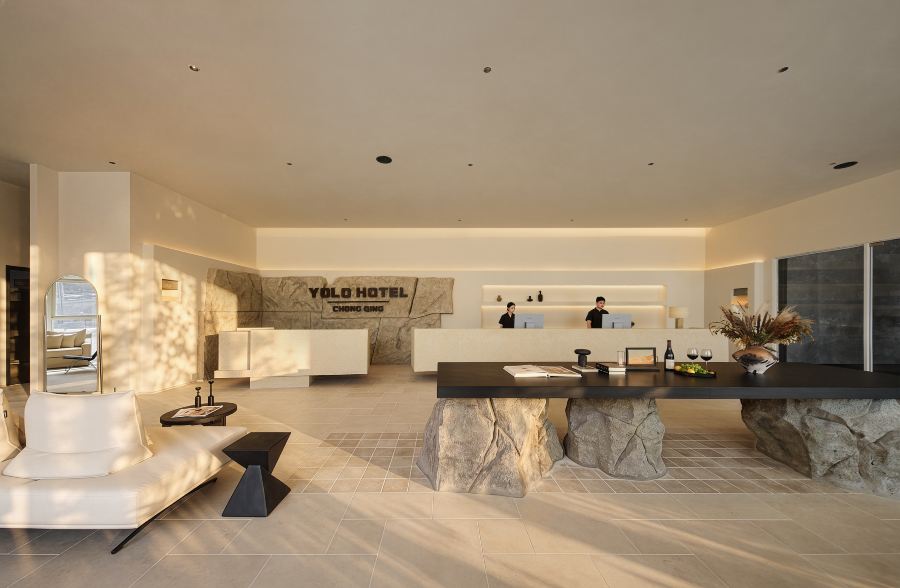
Nestled amid rugged, unshapen reefs, the space embodies aesthetic beauty through a contemporary lens.
This is no superficial visual gimmick.
As you gaze out from the hotel to embrace the surrounding scenery,
the Yangtze River in summer reveals exposed riverbed reefs.
Weathered by time, they stand serenely still.
Amid this enduring cycle of life, you draw strength of resilience and calm.
It silently conveys the brand’s philosophy of harmony with nature.
Conveniently located in the heart of Jiefangbei, the hotel sits within easy reach of Shibati and Mountain City Lane, steps away from the riverbank.
 15
$41
15
$41
 16
$35
16
$35
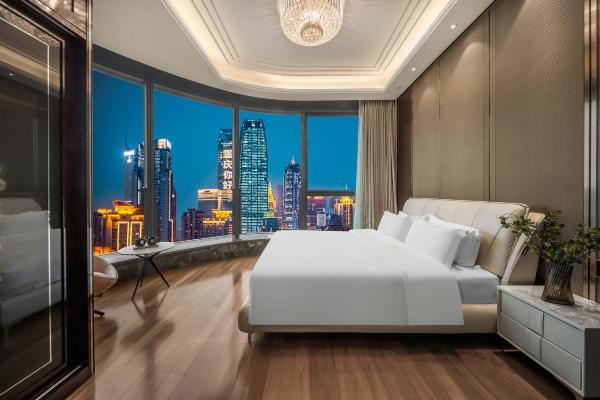
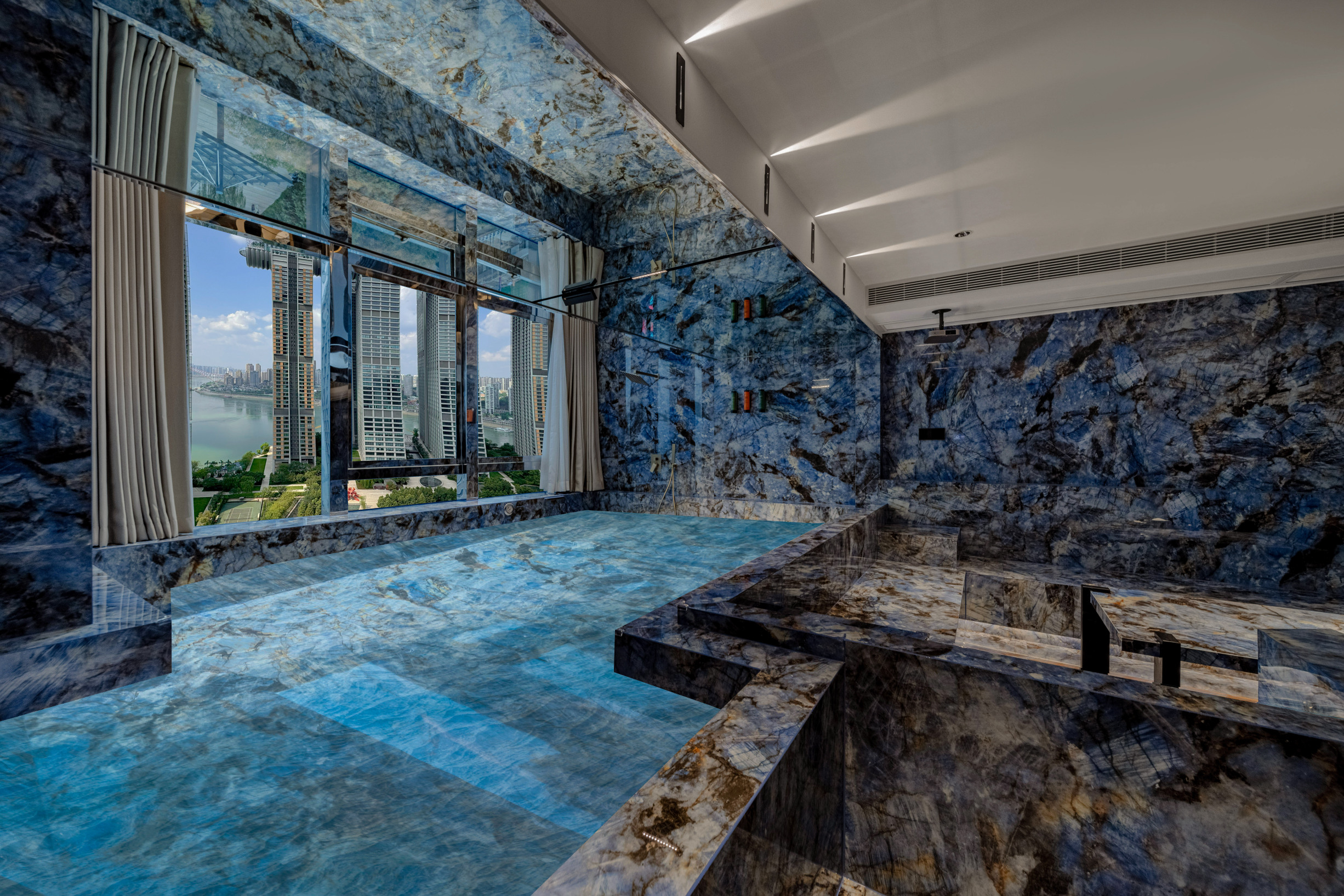
✅ Elegant & Comfortable Stay for Global Travelers
Each room features full-set smart home appliances, high-end amenities, and complimentary WiFi, blending modern convenience with refined comfort.
✅ Unbeatable Central Location
Nestled in the heart of Jiefangbei, with easy transportation and comprehensive surrounding facilities. Within walking distance to iconic attractions: People's Liberation Monument, Bayi Food Street, Yangtze River Cableway, Hongyadong, Shibati Historical & Cultural District, Baixiang Street Historical & Cultural District, plus large shopping & entertainment centers.
✅ Breathtaking Panoramic Views
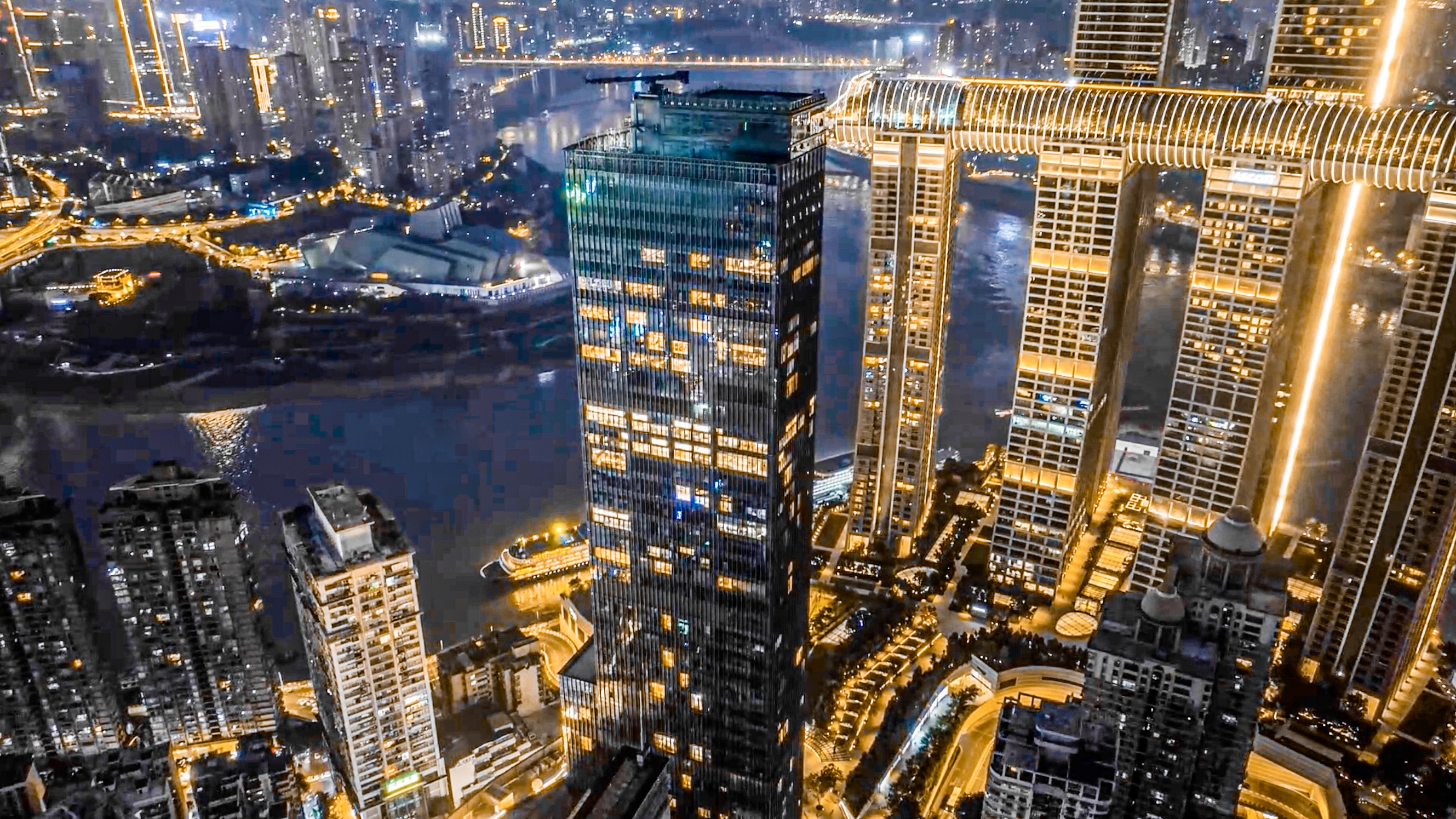
Standing 228 meters tall, enjoy stunning overlooks of Jiefangbei’s bustling skyline or the serene landscapes of Nanshan Mountain & Yangtze River—all from your room.
✅ Premium Services
High-standard front desk reception and 24-hour butler-style room service. Perfect for both business trips and leisure travels, offering a peaceful retreat to relax and recharge.
 17
$40
17
$40
 18
$64
18
$64
 19
$74
19
$74
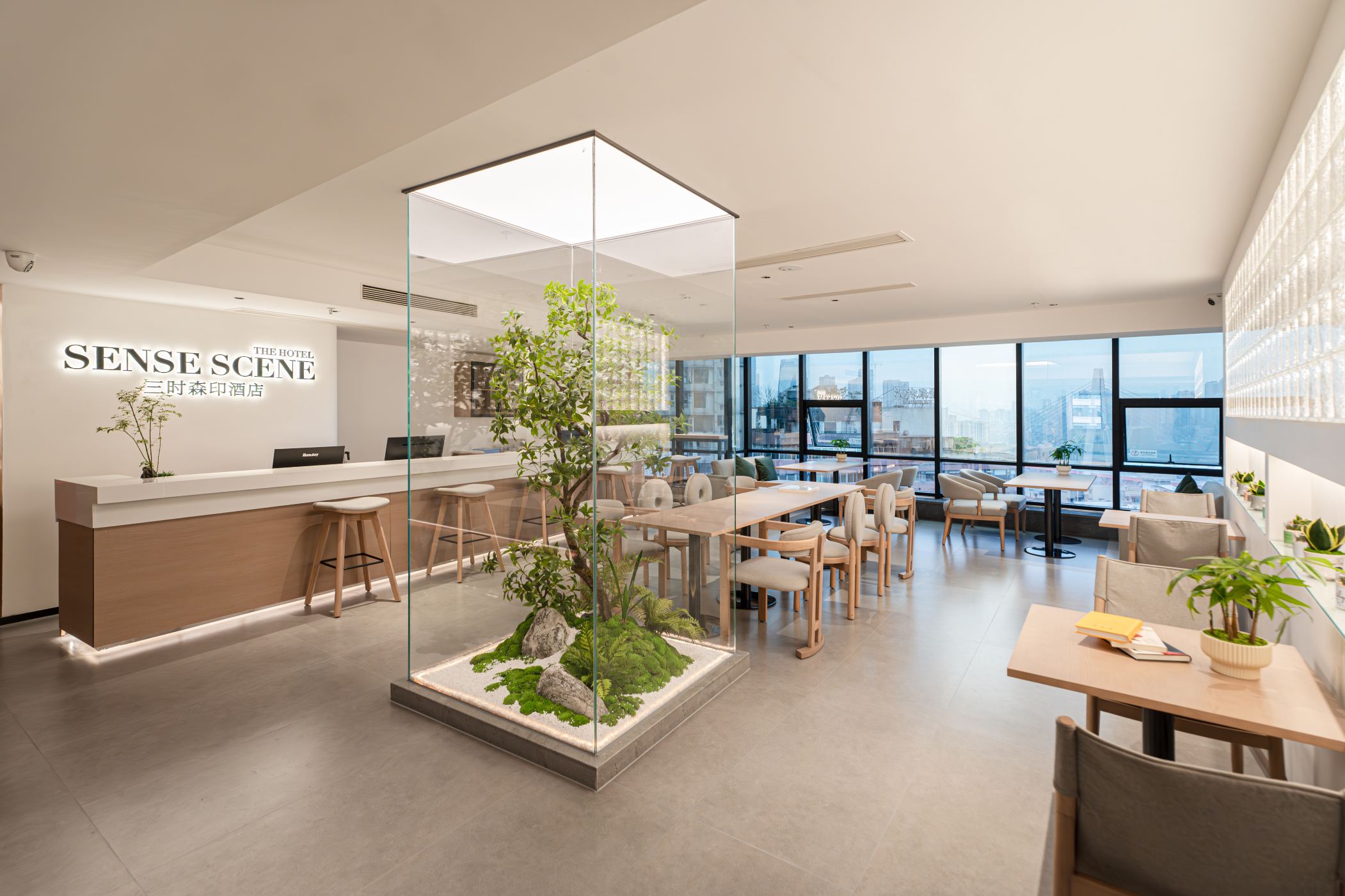 20
$31
20
$31
Recommended activities
![[Can include boat tour for groups of up to 8 people] Chongqing Wulong Natural Three Bridges + Longshuixia Gorge + Wujiang River Day Trip](https://ak-d.tripcdn.com/images/0352912000ll1hsh4F70B.jpg)
Popular articles



Travel essentials
Pro Tips
- Take the light rail with Alipay. Avoid taxis. Traffic is bad.
- Phone maps lie. The city has many levels. Ask locals for directions.
- Skip hotpot near Hongyadong. Find small alley spots with plastic stools instead.
- Don't go inside Hongyadong. Take photos from Qiansimen Bridge or the opposite side.
- Wear comfortable shoes. Chongqing is stairs and slopes everywhere.
- Liziba station is just a train going through a building. Take one look and leave. Not worth a long stop.