Xiamen Travel Guide
About Xiamen
Explore the map of Xiamen
Kulangsu
Kulangsu is located in the southwest corner of Xiamen, Fujian Province, facing Xiamen Island across the Lujiang Strait. The island covers an area of about 1.88 km² and is a "garden on the sea, island of pianos, and exhibition of architecture from around the world" that blends nature with culture. In 2017, it was inscribed on the World Cultural Heritage List as "Kulangsu, a Historic International Settlement." The island is a bedrock island with a winding coastline and many natural harbors and reefs; its terrain is mainly hilly, with the highest peak, Sunlight Rock, at 92.7 m above sea level. It has a subtropical maritime monsoon climate, warm and humid, with spring-like weather all year round, making it suitable for visiting throughout the year. Motor vehicles are prohibited on the island, so there is no noise of traffic—only birdsong, flowers, waves, and piano music.

Hundreds of historic buildings from the late 19th century to the mid-20th century still stand, spanning Gothic, Victorian, Baroque, Nanyang arcade, and traditional Minnan courtyard styles, and are acclaimed as a "World Architecture Expo" and a living specimen of a modern East Asian international community.
Representative buildings include the Bagua Mansion (Organ Museum), Shuzhuang Garden, Haoyue Garden, the former site of the HSBC Mansion, Trinity Church, and the former residence of Lin Yutang.

The island has a profound musical cultural heritage. Since the late Qing Dynasty, Western music was introduced through missionary schools. The density of pianos on the island has long ranked among the highest in the country, and musical masters such as Yin Chengzong and Xu Feiping were born here, earning it the reputation of "Island of Pianos" and "Island of Music." The Piano Museum houses century-old antique pianos, and the Organ Museum holds a giant pipe organ. Piano music is often heard among the streets and alleys, and the tradition of family concerts continues to this day.

The core attractions on the island each have their own distinctive features. Sunlight Rock is the highest point on the island; from the summit, visitors can enjoy a 360° panoramic view of the entire island, Xiamen main island, and the Taiwan Strait, and there is a saying that "you haven't truly visited Xiamen until you've climbed Sunlight Rock." Shuzhuang Garden was the private residence of the wealthy Taiwanese merchant Lin Erjia, designed to "hide the sea within the garden and embrace the mountains as scenery," blending Jiangnan garden aesthetics with mountain and sea views; the garden's Piano Museum houses nearly a hundred antique pianos. Haoyue Garden features a 15.7 m tall granite statue of Zheng Chenggong facing the sea, built to commemorate the national hero who recovered Taiwan. Bagua Tower is a landmark building on the island, blending Chinese and Western architectural aesthetics, and houses hundreds of antique organs. Yuyuan Garden, Gulang Stone, Yanwei Mountain Ecological Park, and other cultural and natural attractions are scattered across the island, linking together a century of charm and the poetry of mountains and sea.

Tour tips
- Island access: You need to take a ferry from the ferry terminal on Xiamen Island to get there. There is no general admission ticket; core attractions require separate tickets or a combo ticket.
- Mode of travel: Walking tours across the island; paid sightseeing electric carts are available; motor vehicles are prohibited.
- Recommended season: suitable all year round; spring and fall (April-May, October-November) offer comfortable weather and blooming bougainvillea, making the scenery especially beautiful.
Zhonggu Cableway
The Zhonggu Cableway is an elevated sightseeing cable car spanning the Wanshi mountains in Xiamen. Its lower station is located near the west gate of Xiamen botanical garden and the Zhonggu Mountain tunnel entrance. The route passes the botanical garden, Huxi Rock, and Hongshan area, extending all the way to the Wulao Peak behind Nanputuo temple, covering over 1,000 m in total. The cable car features semi-open two-person gondolas without window panes, offering unobstructed views where mountain breezes brush past your face. Once seated, you'll be suspended above layers of greenery and city rooftops.
The round-trip itinerary takes approx. 40 mins. Upon reaching the terminal station, the train returns along the same route without requiring transfers. From this elevated vantage point, you can take in Xiamen's mountains, sea, and cityscape all at once: below lies the lush forest and rugged rocks of the botanical garden, while a turn of the head reveals the temple eaves of Nanputuo temple. In the distance, Gulangyu island, the twin towers, and the open sea unfold in sequence—on clear days, you can even spot the islands toward Kinmen. Along the way, the train passes original wartime tunnels and wind-eroded boulders, adding a touch of historical ambiance to this aerial journey.
For a more enjoyable experience, you may choose the departure time slot around sunset when the sea and city skyline under the evening glow make for particularly stunning photos. This time slot is often in high demand. The cable car baskets are open on all sides, so travelers who are sensitive to wind should pick a clear and less windy day. The cable car may suspend operations in case of strong winds, thunderstorms, or other adverse weather conditions. It is advisable to check the day's situation before departure.



Xiamen Festivals & Events
Taste the City


Plan Your Trip
City Transport Guide
Airport
Explore moreYour guide to Xiamen Gaoqi International Airport, including terminal layout, transport options to the city center and Gulangyu Island, and tips for a smooth arrival in this charming coastal city
Pro Tips
- Airport buses are the easiest way to reach the city center from the airport.
- Use shared bikes for short-distance trips around the city.
- Booking ferries to Gulangyu in advance is a smart move.
- The metro is the easiest way to reach major attractions—faster and more convenient than taxis.
Metro Map
Recommended Stays
 1
$31
 2
$84
10 min. walk to the Gulangyu Island ferry, the historically popular Zhongshan Road and the No. 8 fresh market where seafood can be enjoyed throughout the day in the different restaurants.
Free parking during stay is available and the final terminal station of No. 1 Metro station is just 5 min. walk from the hotel.
(For your kind reminder: For free parking, provide your license plate upon check-in. Check-out is at noon; late check-out fees available upon request.)
 3
$28
With Xiamen Railway Station just 5km away and Xiamen Gaoqi International Airport only 14km away, transportation is very convenient. Being just minutes away from Zhenhai Rd Metro Station allows guests to explore the city with ease. With multiple attractions nearby including Kulangsu, View Kinmen from the Sea (Xiamen Lujiang Wharf) and Sunlight Rock, guests will find plenty to keep themselves occupied.
At the end of a busy day, travelers can unwind and relax in the hotel or go out and enjoy the city. For those driving themselves, parking is provided on site.
Our guests consider this hotel to have excellent service. For guests traveling with families, this hotel is consistently one of the most popular choices.
 4
$24
 5
$62
 6
$18
The hotel is conveniently located just 5km from Xiamen Railway Station and 14km from Xiamen Gaoqi International Airport. The closest major public transportation, Zhenhai Rd Metro Station, is only 500m away. With multiple attractions nearby including Rainforest World, Zhongshan Park and Yujian·Floating Lounge, guests will find plenty to keep themselves occupied.
When guests have some time on their hands they can make use of the onsite facilities. This Xiamen hotel features parking on site.
If you demand a high level of service, our guests have indicated that this hotel has excellent standards. For guests traveling with families, this hotel is consistently one of the most popular choices.
 7
$49
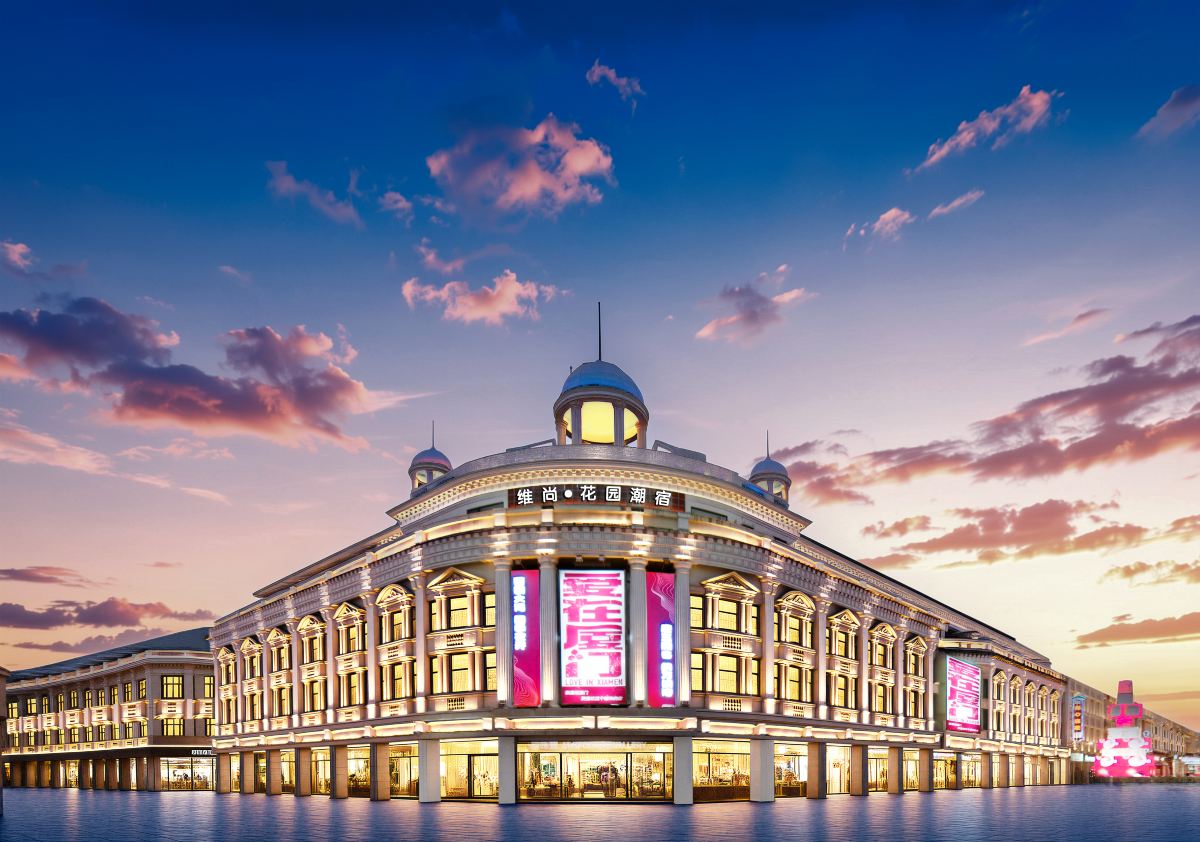
Nestled in the Zhongshan Road Business District, the hotel is surrounded by a wealth of dining options. Famous local Xiamen eateries like 1980 Braised Pork Zongzi, A Jie Spiced Pork Rolls, Huang Zehe, Ba Popo Grass Jelly, Mingyue Prawn Noodle Soup, Yuehua Satay Noodle Soup, and the popular online celebrity seafood restaurant Zui Yi Hao are all within walking distance.
【Transportation】
Getting around is extremely convenient. It takes about 10 minutes to walk to the Bashi Seafood Market, and it is only 800 meters away from the No.1 Ferry Terminal, making it easy to travel to Gulangyu Island. Additionally, you can reach Zhenhailu Station of Metro Line 1 in 5 minutes on foot, facilitating metro travel to explore Xiamen.
【Popular Attractions】
There are numerous attractions nearby. It takes around 10 minutes by car to reach internet-famous spots such as Shapowei, Xiamen University Baicheng Beach, Nanputuo Temple, and Xiamen Botanical Garden. A 10-minute walk leads directly to the seaside, where you can enjoy the stunning sunset views in full.
【Product Features】
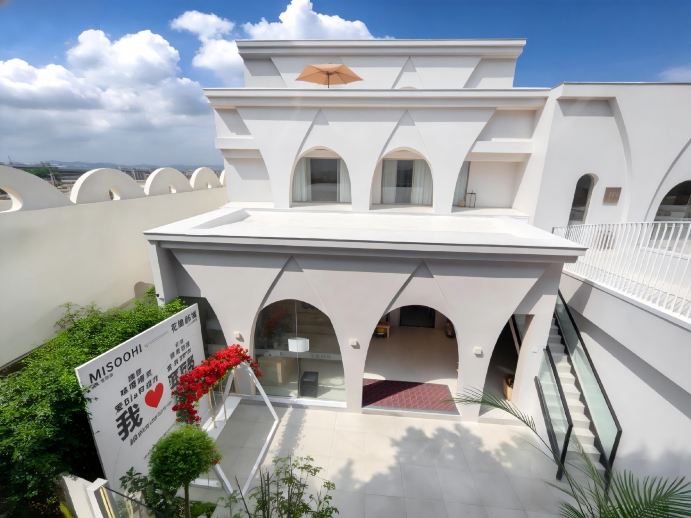
The hotel features a Southeast Asian-style luxurious retro design. The lobby boasts metallic-textured walls paired with Minnan-style decorative elements, exuding a sophisticated vibe. Rooms use dark green and warm brown as the main color tones, complemented by retro patterned tiles and rattan furniture, highlighting elegance. Some rooms are equipped with a large white bathtub and a garden balcony, offering a bird's-eye view of the Zhongshan Road street scene. The hotel also adopts smart butler devices such as a whole-house voice control system, ensuring a more convenient and comfortable stay.
【Butler Service】
VIP butler service is provided. The front desk staff will draw hand-painted maps for guests and deliver handwritten weather tips and snacks every day. The hotel has a garden restaurant on the 4th floor, where you can take photos of the beautiful scene of Xiamen's old town and arcade buildings in the same frame. There is also an internet-famous hot air balloon photo spot, making it an ideal place for taking photos.
 8
$20
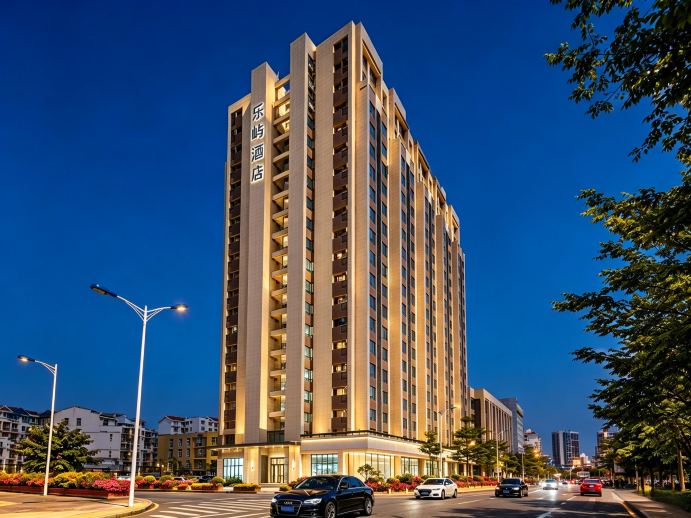
Located at Unit 216, No. 28 Fanghu South Road, Huli District, Xiamen, Le Yu Hotel boasts a prime dual-core location adjacent to the airport and commercial district, ensuring highly convenient travel and daily life. It is close to the expressway leading to Xiamen Gaoqi International Airport and within easy reach of Metro Line 3 and major urban arterial roads. Both self-driving and public transport allow quick access to the whole city, making it an ideal choice for airport layovers, business trips and short-distance travels. Adjacent to SM City Plaza, the hotel is surrounded by complete supporting facilities including restaurants, supermarkets and entertainment venues, meeting all daily living needs during your stay.
Accommodation Environment
Featuring a minimalist and cozy design style, the hotel is situated on high floors with elevator access for effortless mobility. Nestled in a quiet residential area, it offers excellent sound insulation, delivering a clean, peaceful and reassuring accommodation environment. The entire hotel is covered with free high-speed Wi-Fi. Complimentary parking and a public self-service laundry room are available, perfectly catering to medium and long-term stays.
Facility Configuration
The hotel provides fully suite-style rooms with diverse options, including one-bedroom-one-living room suites, two-bedroom-one-living room suites and view suites. All rooms feature spacious layouts, completely different from cramped traditional hotel rooms. They are ideal for individual business travelers, couples, families, group visitors and guests on long-term stays. Every suite is equipped with premium comfortable beds, heating and air conditioning systems, as well as disposable facial towels and toilet seat covers to guarantee hygienic and worry-free stays. High-end suites are additionally fitted with independent balconies for city views and private washing machines, bringing you full-function home-like comfort and an upgraded accommodation experience.
Additional Services
The hotel offers 24-hour front desk service, supporting late check-in, early check-out and luggage storage. Our staff can provide free consultation on local travel and sightseeing information with no hidden charges. With a quiet and tidy environment, complete convenient facilities and thoughtful services, we strive to create a reassuring, comfortable and hassle-free haven for every guest traveling in Xiamen.
 9
$108
 10
$26
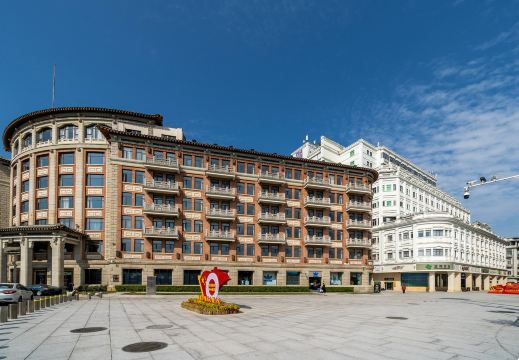
With Xiamen Railway Station just 5km away and Xiamen Gaoqi International Airport only 14km away, transportation is very convenient. In addition, Zhenhai Rd Metro Station is just a short walk away. With multiple attractions nearby including Zhongshan Park - Zoo, Kulangsu and Xiamen Underwater World, guests will find plenty to keep themselves occupied.
After a long day of sightseeing, guests can retire to the comfort of the hotel. Guests of this Xiamen hotel can make use of the parking facilities.
If you demand a high level of service, our guests have indicated that this hotel has excellent standards. This hotel is a popular accommodation for guests traveling with families.
 11
$33
 12
$50
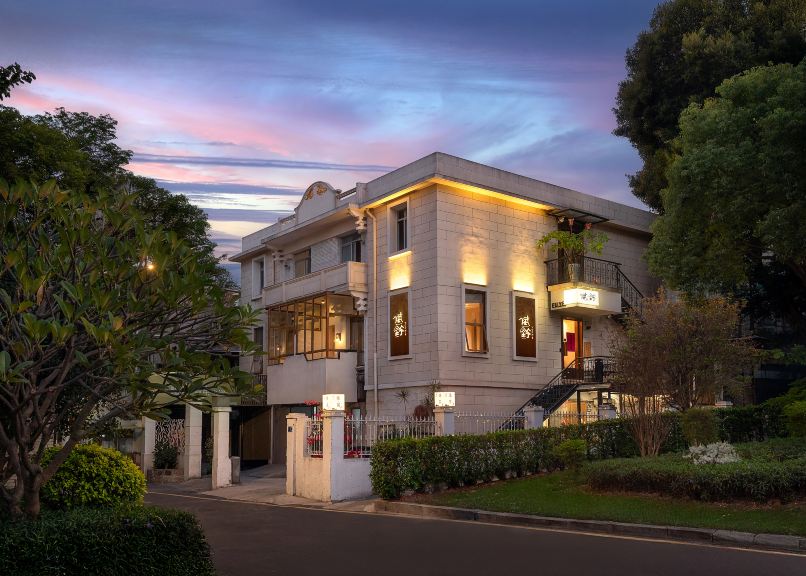
Nestled in the prime location adjacent to Xiamen Ferry Terminal and the bustling tourist & commercial hub, our boutique homestay is a sophisticated accommodation destination that seamlessly blends luxury with cutting-edge technology, waiting just for you. Here, the stunning coastal scenery and the convenience of Xiaodu smart control come together in perfect harmony, crafting an unparalleled travel experience for you.
Stand by the window of your room, and you can feast your eyes on unobstructed sea views and spectacular sunsets over the ocean. Across the water, the full beauty of Gulangyu Island unfolds before you. Hailed as the "Garden on the Sea", this islet steeped in history and cultural heritage feels close enough to touch, allowing you to soak in its unique charm anytime.
On the other side of the homestay lies the vibrant Zhongshan Road. This time-honored commercial street brings together a wide array of dining and shopping options, catering to all your needs during the trip. Whether you want to savor authentic local Xiamen snacks or pick up distinctive souvenirs, this is your ultimate go-to spot.
To add to your delight, our homestay is equipped with the Xiaodu Smart Guest Control System. With a simple voice command, you can effortlessly adjust the room lights, curtains, music, and other facilities, enjoying the ease of intelligent voice control. While relishing the comfort and convenience brought by technology, you can fully immerse yourself in the beautiful sea views and the joy of traveling.
In addition, Xiamen Niaodao Seaview Trendy Homestay enjoys an excellent location and convenient transportation. It offers easy access to Gulangyu Island for sightseeing, as well as to other renowned scenic spots in the city. We are dedicated to creating an ideal haven for travelers, making your journey in Xiamen more relaxed and enjoyable.
Indulge in the boundless sea views, with endless blue waves and gentle sea breezes caressing your face. Every window frames a stunning picture of Xiamen. Listen to the soft whispers of the waves, feel the elegance and sophistication of this high-end seaview homestay, and turn your trip into an intimate rendezvous with the sea. We look forward to your arrival and embarking on a journey of exploration beneath the dreamy starry sky and beside the vast ocean together!
 13
$26
 14
$27
 15
$41
 16
$21
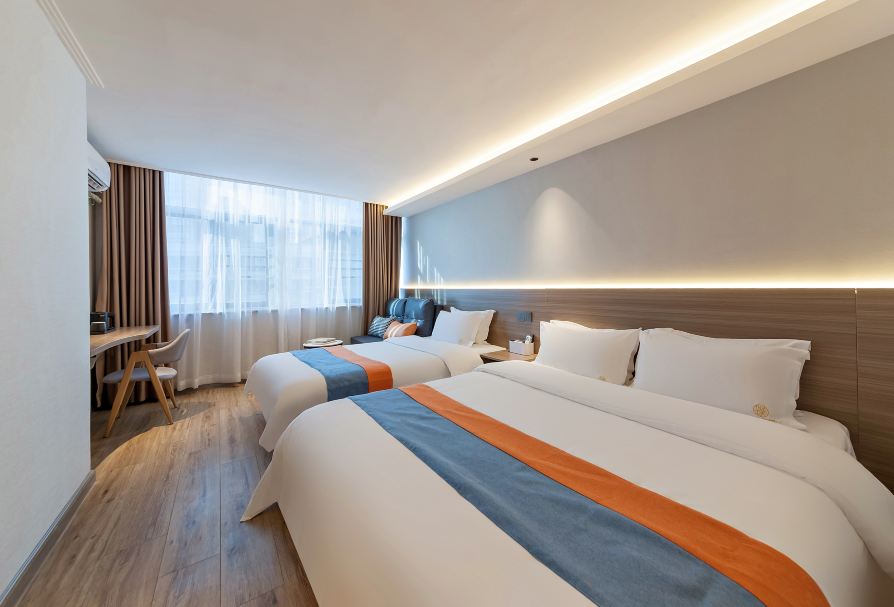
Traveling to the hotel is easy with Xiamen Gaoqi International Airport located approximately 4km away and Xiamen Gaoqi Railway Station roughly 5km away. Being just minutes away from Andou Metro Station allows guests to explore the city with ease. The nearby area boasts an abundance of attractions including Taiwan Street, Xiamen City Square and Wuyuanwan Beach.
After a long day of sightseeing, guests can retire to the comfort of the hotel. Guests of this Xiamen hotel can make use of the parking facilities.
If you demand a high level of service, our guests have indicated that this hotel has excellent standards. For guests traveling on business, this hotel is consistently one of the most popular choices.
 17
$13
With Xiamen Railway Station just 400m away and Xiamen Gaoqi International Airport only 10km away, transportation is very convenient. The closest major public transportation, Xiamen Railway Station Metro Station, is only 200m away. The nearby area boasts an abundance of attractions including Xiamen Island, Xiamen University (Siming Campus) and Xiamen Mountains-to-Sea Trail.
When guests have some time on their hands they can make use of the onsite facilities.
This hotel is the usual choice for a large number of business travelers.
 18
$30
 19
$25
 20
$16
Traveling to the hotel is easy with Xiamen Railway Station located approximately 6km away and Xiamen Gaoqi International Airport roughly 16km away. There is no shortage of things to see in the area, with the Music Square (Huandao South Road), ZengCuoAn and Hulishan Fortress all nearby.
This hotel makes a great place to kick back and relax after a long day of sightseeing.
According to our guests, this hotel provides a very high level of service. This hotel is a popular accommodation for groups of friends traveling together.
Recommended activities


Popular articles



Travel essentials
Pro Tips
- Take the BRT. It's fast and cheap. Metro is fine but BRT avoids traffic.
- Book Gulangyu ferry tickets early on WeChat. Same day tickets sell out fast. Bring your ID.
- Don't eat on Gulangyu. It's overpriced. Take the ferry back and eat near Eighth Market instead.
- Eighth Market is good for snacks. Try Ah Jie fried oysters or Zhuyuan wontons. Go before noon.
- Rent a bike and ride the ring road from Xiamen University to Huangcuo Beach. Late afternoon is best.
- Skip the ropeway. Walk up Sunlight Rock on Gulangyu or just wander the alleys.