Chengdu Travel Guide
About Chengdu
Explore the map of Chengdu
Chengdu Wuhou Shrine Museum
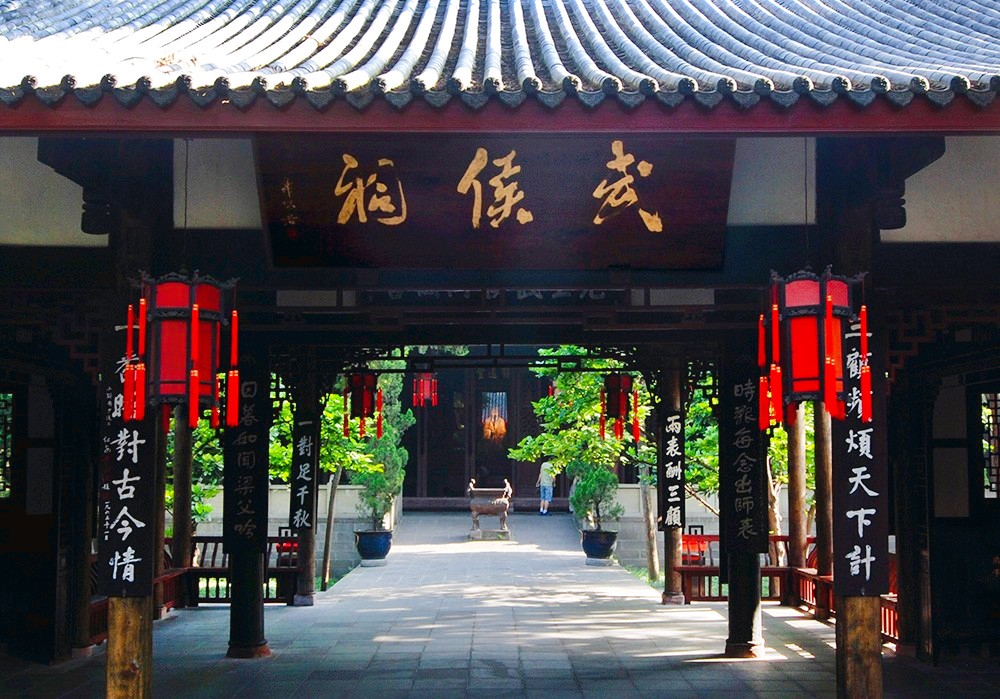
The Chengdu Wuhou Shrine Museum is a temple dedicated to honoring Shu Han heroes such as Liu Bei and Zhuge Liang. Its origins date back to 221 AD during the first year of the Zhangwu era under Emperor Zhaolie of Shu Han, when Liu Bei's Hui Ling Mausoleum was constructed. The Han Zhaolie Temple was also built during the same period.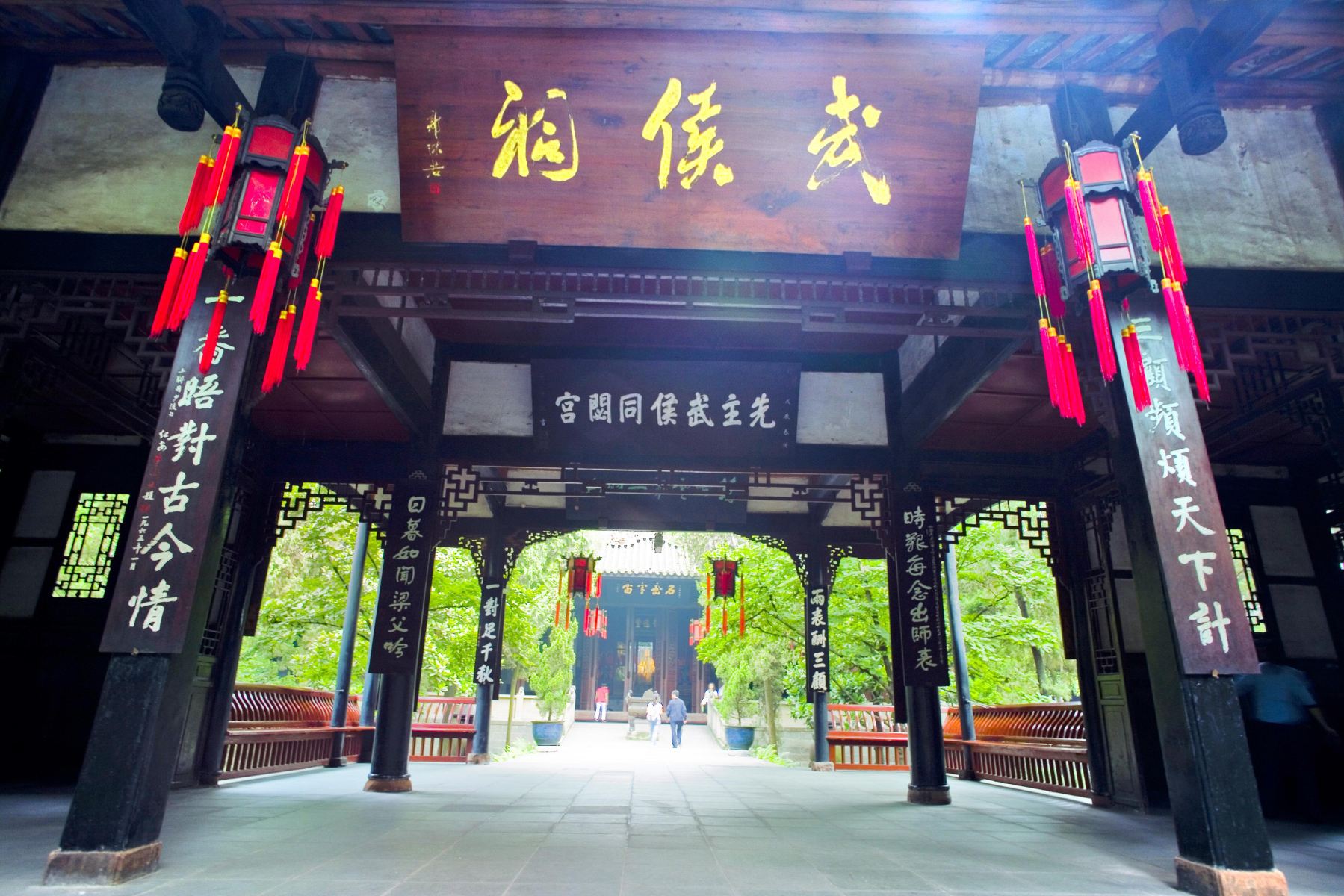
Approx. around 500 AD during the Northern and Southern Dynasties period, the Wuhou Shrine was relocated from Chengdu's "Shaocheng" to the vicinity of Hui Ling Mausoleum and Han Zhaolie Temple, maintaining this layout until the Ming Dynasty. In 1390 during the 23rd year of the Hongwu era, Zhu Chun, the Ming Prince of Shu, visited the Chengdu Wuhou Shrine Museum for worship. Citing that "monarch and subject should be united as one," he merged Hui Ling Mausoleum, Han Zhaolie Temple, and Wuhou Shrine into a single complex. As Zhuge Liang's influence among the common people surpassed that of Liu Bei, the site became colloquially known as "Wuhou Shrine."
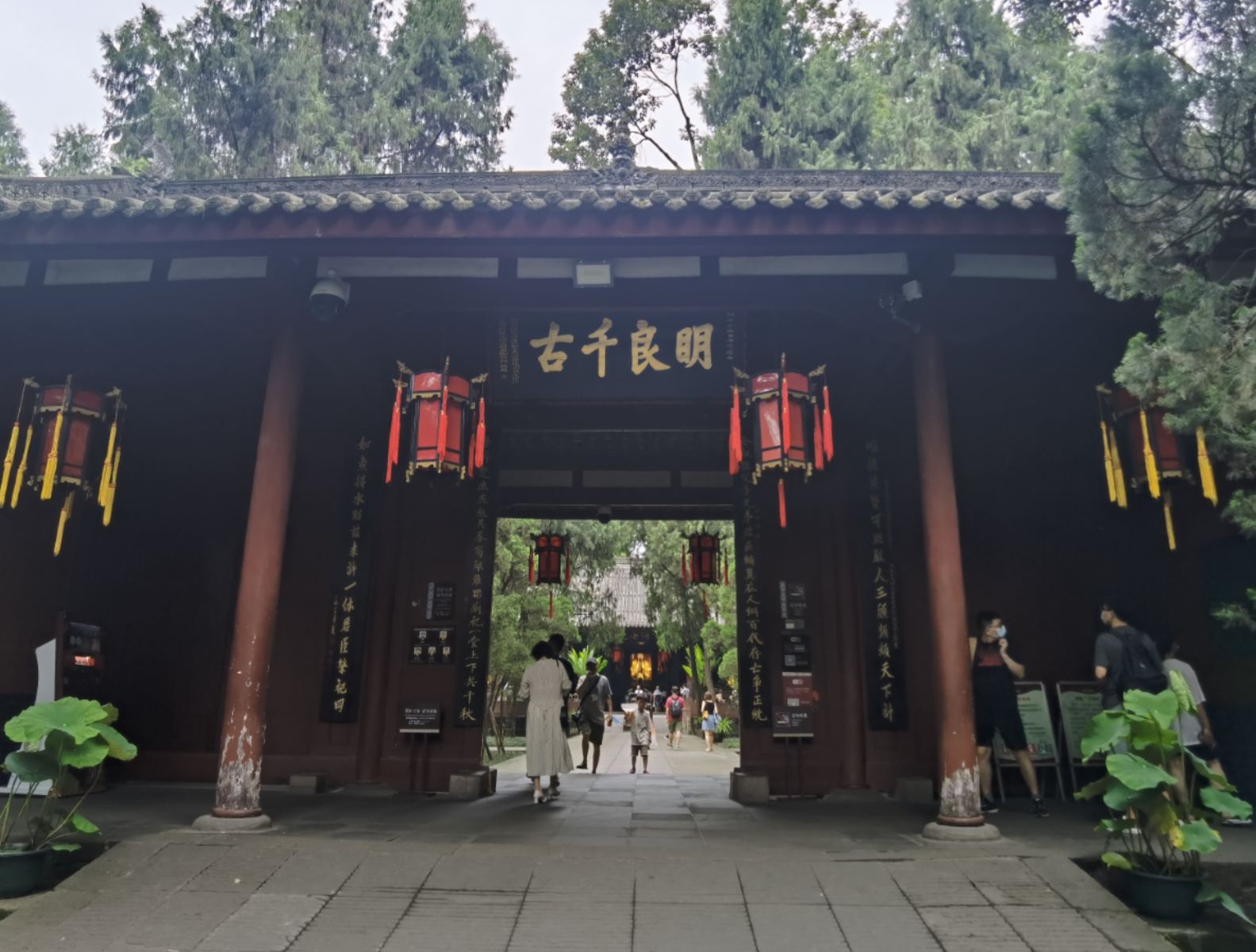
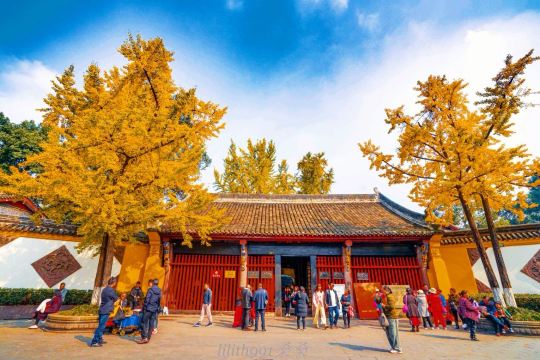
The cultural relics area of the Chengdu Wuhou Shrine Museum mainly consists of the Hui Ling Mausoleum, Han Zhaolie Temple, Wuhou Shrine, and the Chengdu Wuhou Shrine Museum - Sanyi Temple, with the main structure being the Wuhou Shrine. The shrine is divided into the main gate, second gate, Liu Bei Hall, passage hall, Chengdu Wuhou Shrine Museum - Zhuge Liang Hall, and Chengdu Wuhou Shrine Museum - Sanyi Temple, all aligned along a central axis from south to north. The shrine houses 50 statues of Shu Han heroes including Liu Bei and Zhuge Liang, along with numerous stone inscriptions and plaques related to Zhuge Liang and Three Kingdoms culture.
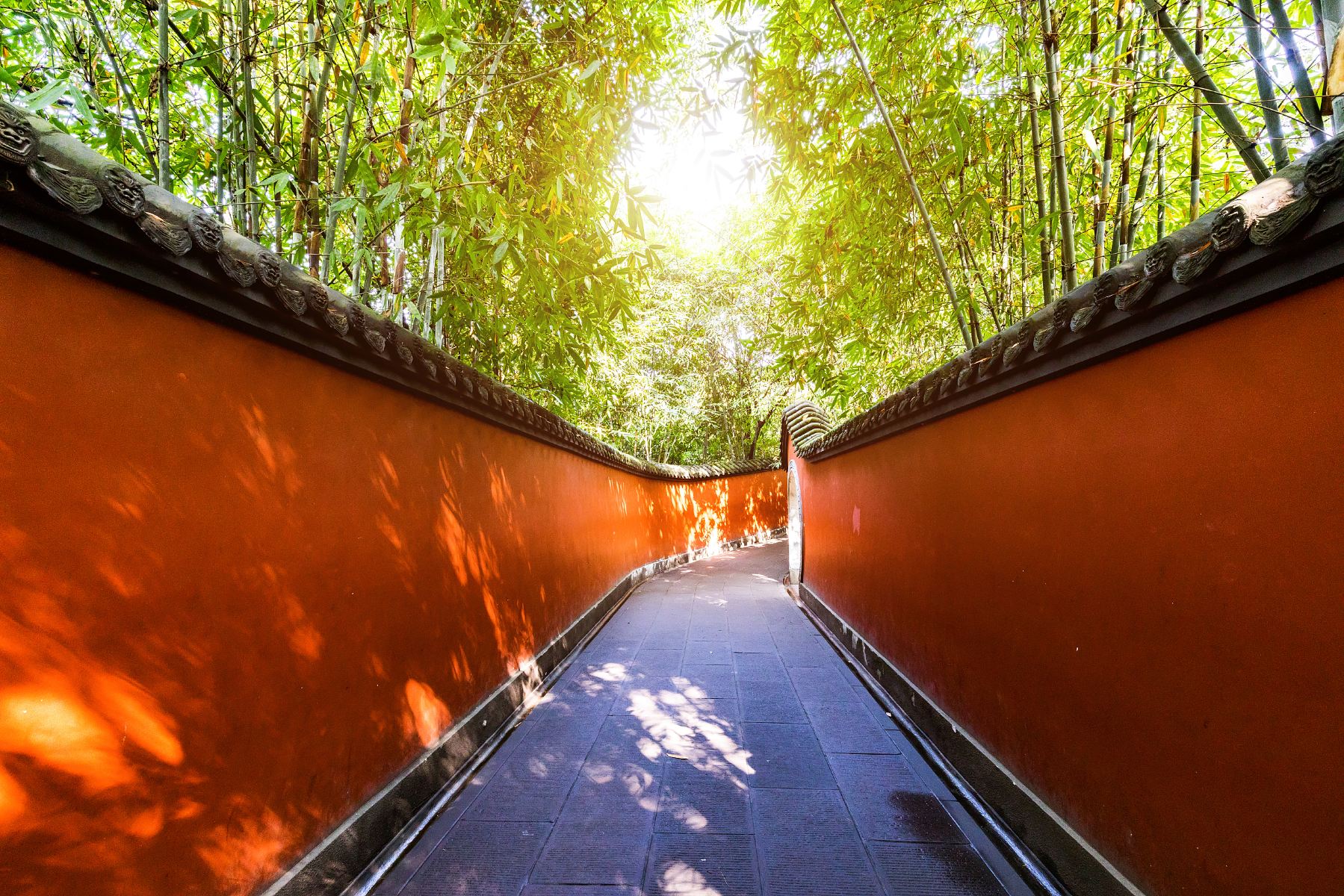
The famous "red wall and bamboo shadows" of Chengdu are located within the attraction. Don't forget to take photos.
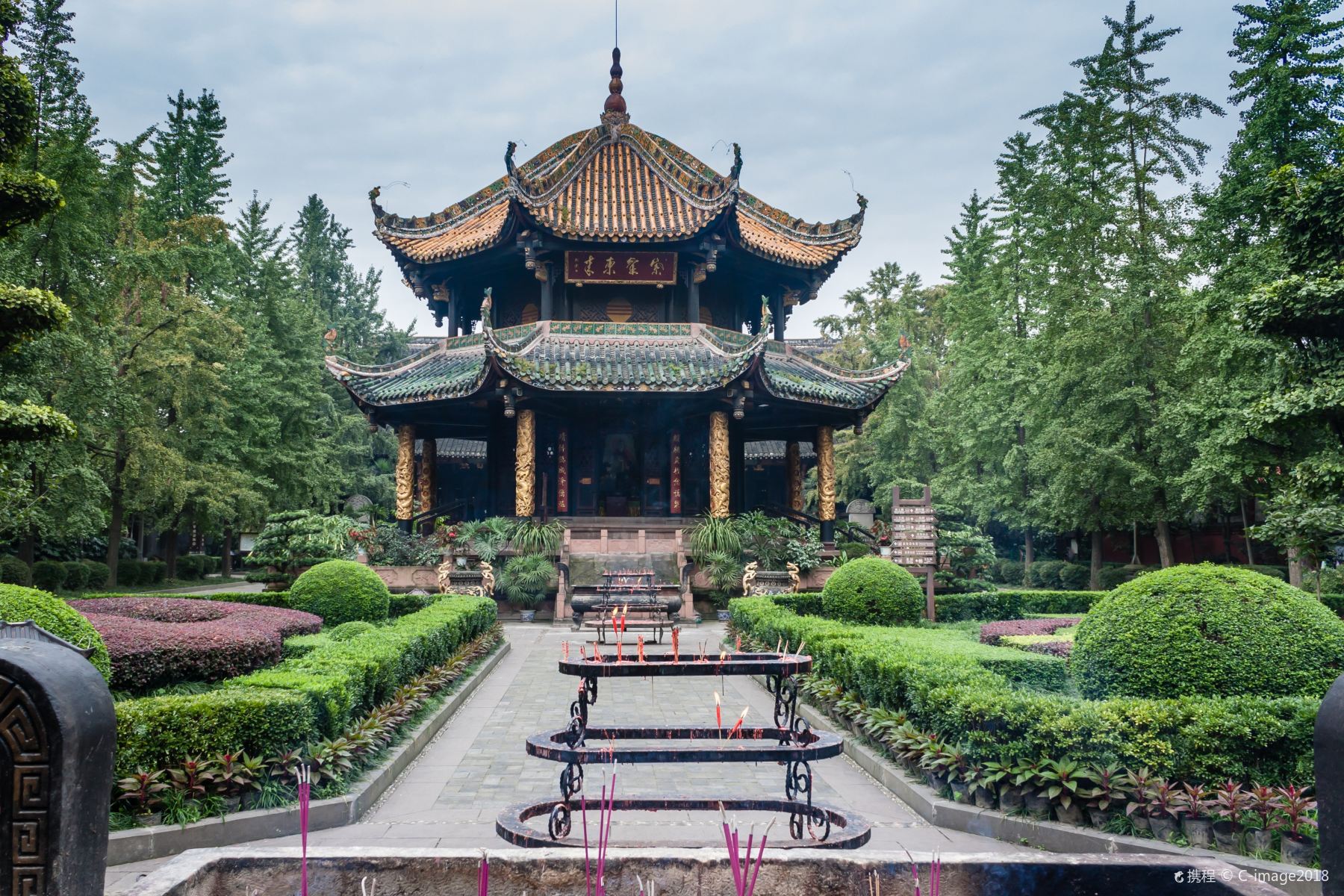
The garden area of Chengdu Wuhou Shrine Museum, located on the west side of the shrine, features architectural structures such as the stone archway gate, three-arched gate, square pavilion, Jiexin Hall, and burial chamber. It is the only northern-style mausoleum complex in southwest China. The shrine is adjacent to Jinli Ancient Street (Jinli Folk Custom Area), making it convenient to visit both sites together.

Bipeng Valley
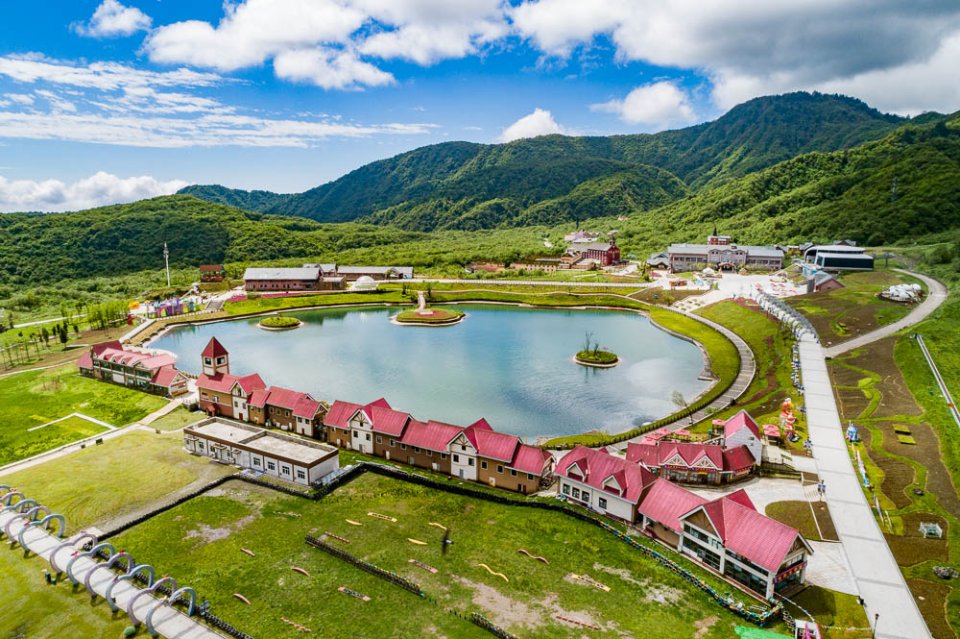
Bipeng Valley is located in Sologou, Putou Township, Li County, Aba Prefecture. It is famous for its beautiful natural scenery and intact natural ecological landscape. It is a well-known red leaf viewing site in China. If you are not an outdoor player who hikes, it is relatively easy to visit Bipenggou.

After buying a ticket at the gate of the Attraction, you can take the Attraction sightseeing bus through Longwanghai Lake and Namu Lake to the Shanghaizi Reception Center. The whole journey is about 30 kilometers. There are snow-capped mountains along the way, and there are many red leaf viewing spots.

After arriving at Shanghaizi, you can take a short rest, then you can continue to reach Panyang Lake on foot or take a paid battery car, and return the same way after the tour. You can also choose to hike in Shanghaizi to Yanziyanwo, which is about 10 kilometers long and the road conditions are good.

Bipeng Valley has its own characteristics in each season, but the recommended time to visit is from September to October in autumn. At this time of year, the maple leaves in the gully are as bright red as fire, and the lake and mountains, together with the surrounding snow-capped mountains, form a charming picture, which is colorful and very artistic.

Generally, you don't need to stay overnight when visiting Bipeng Valley. Just remember to bring some drinks and high-calorie foods, such as chocolate and beef jerky, when you enter the gorge.

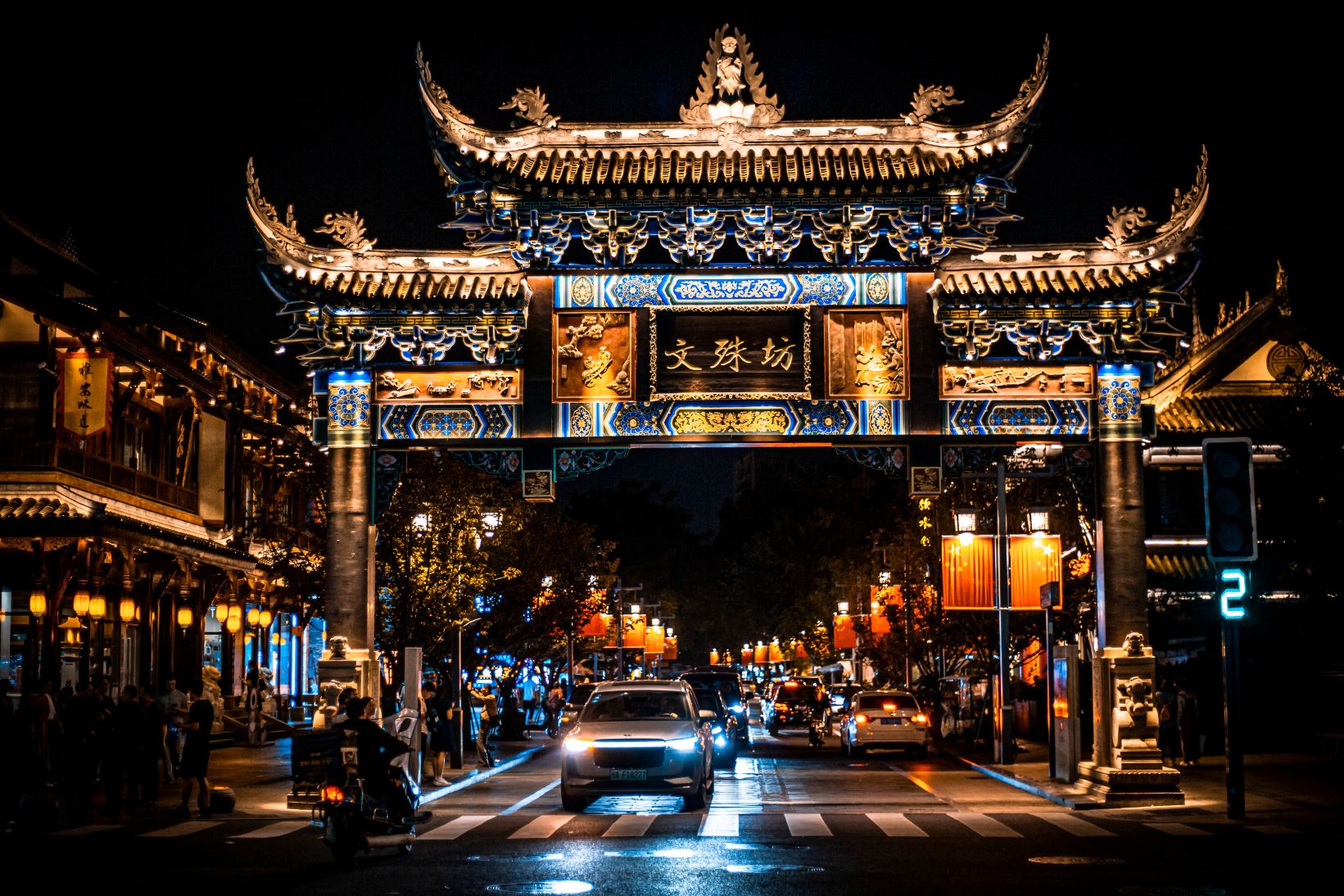
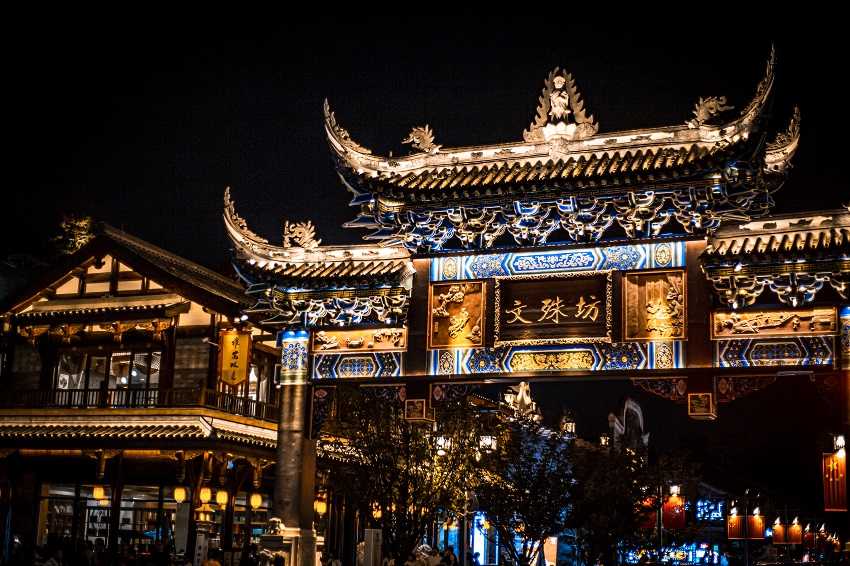
WenShuFang
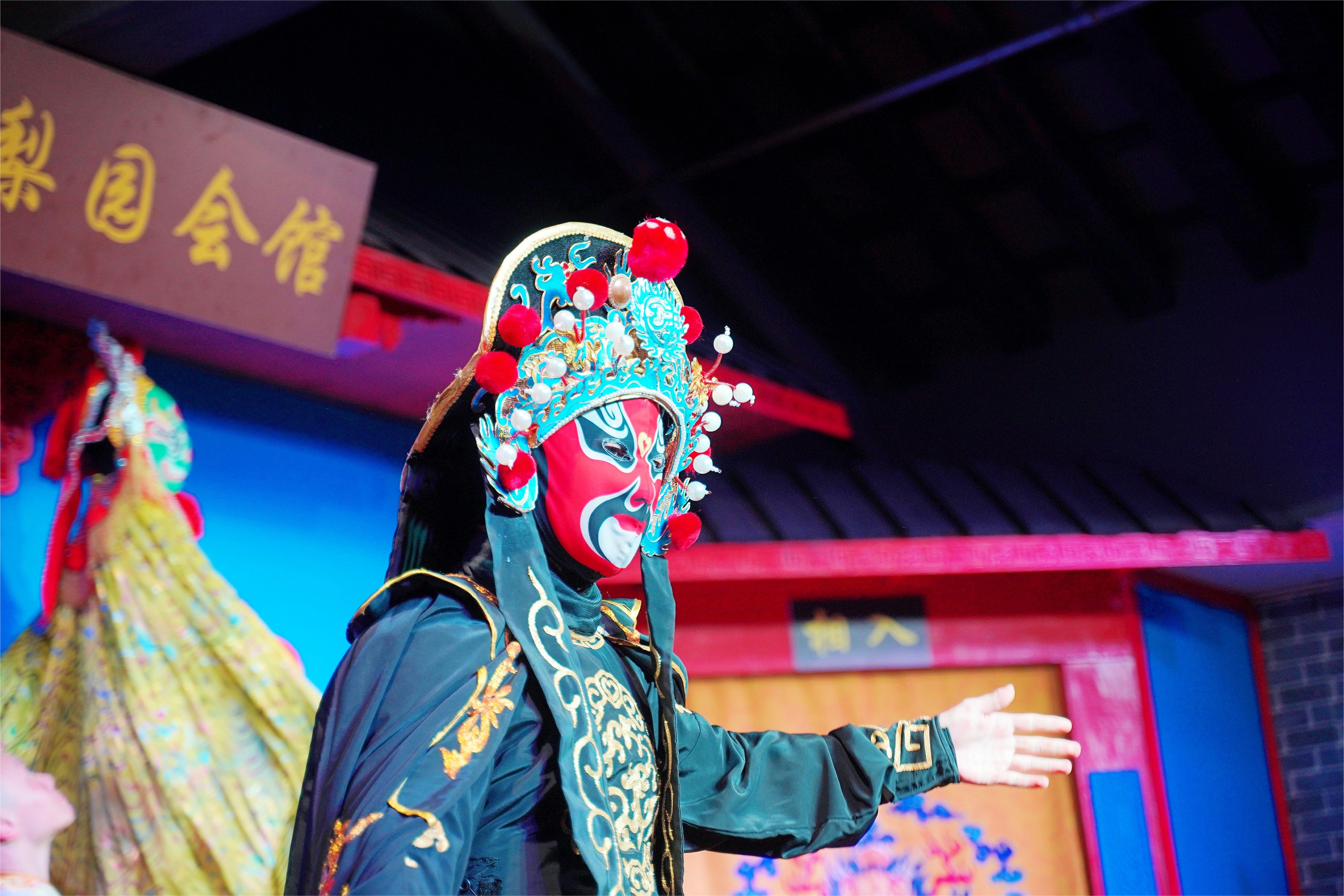
WenShuFang Cultural and Creative Zone is a key project of Tianfu Jincheng in Chengdu, located within the historical and cultural conservation area of Wen Shu Yuan in Qingyang District. It is one of Chengdu's three major historical and cultural conservation areas. The Wen Shu Fang block serves as the core area of the cultural and creative zone, with a total planned land area of approx. 143 mu (approx. 95,333 m²) and a total construction area of approx. 168,000 m². Currently, Phase I (56 mu/6.5 million m²) and the eastern section of Phase II (28 mu/4.3 million m²) have been completed and are operational. Planning is underway for the western section of Phase II, covering approx. 52.6 mu (excluding Jin Shun Yuan) with a total construction area of approx. 60,000 m². Construction is scheduled to begin in 2026, with completion expected by 2028. Since its official opening in 2006, Phase I has been a vital gateway to experiencing Chengdu's culture. Phase II aims to preserve urban heritage while meeting the demands of consumption upgrades. Guided by the vision "Millennium Chengdu, Charming Wen Shu," the project continuously optimizes its layout through "new formats, scenes, brands, and models." It exemplifies immersive cultural tourism consumption by blending "old Chengdu's charm" with "new Chengdu's vibrancy," enhancing attractions like intangible heritage, Hanfu, tea culture, cuisine, hotels, national trend theaters, creative products, and entertainment. This integration fosters a consumption hub, boosting regional tourism, hospitality, dining, and other service sectors, ultimately creating a landmark for integrated cultural, commercial, and tourism experiences.
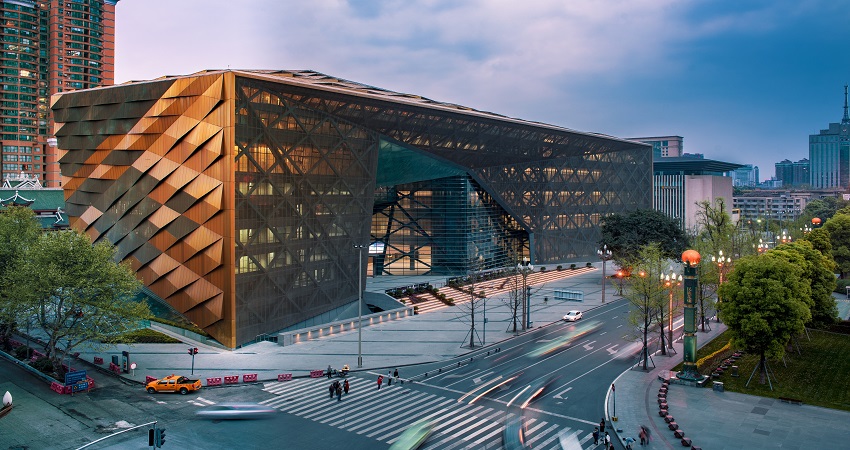
Chengdu Museum
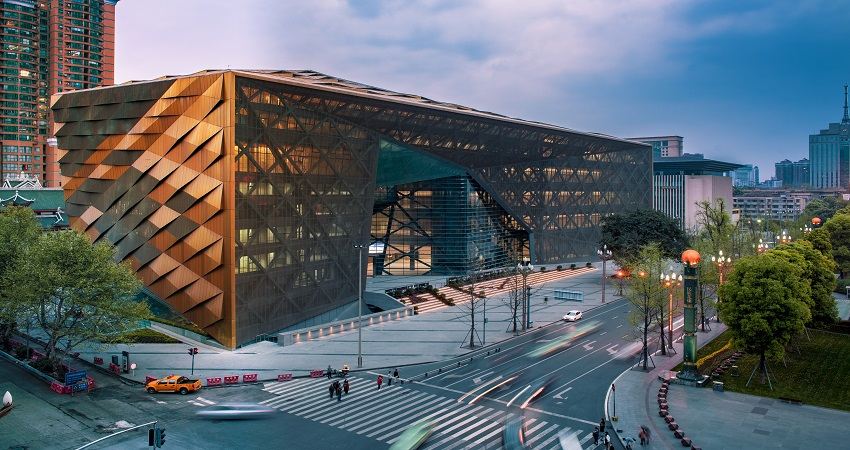
Chengdu Museum is located on the west side of the city center, covering an area of approx. 17 acres with a total floor space of approx. 65,000m² and exhibition space of approx. 20,000m². The main building consists of south and north wings: the south wing's above-ground floors primarily house offices and research areas, while the basement level contains an auditorium (multi-function hall). The north wing mainly features exhibition areas, with the ground floor housing the lobby, screening room, and special exhibition hall. The basement level presents the "Man and Nature" thematic exhibition. Floors 2–3 showcase "Flourishing Chengdu - Ancient History and Culture of Chengdu," floor 4 displays modern history and folk customs, and floor 5 features the Chinese Shadow Puppetry and Marionette Exhibition.
The museum boasts a collection of nearly 200,000 artifacts, forming a comprehensive chronological sequence from the Neolithic Age to the Republic of China period. The collection encompasses bronze ware, gold and silver artifacts, brick carvings, stone sculptures, ceramics, paintings and calligraphy, furniture, shadow puppets, marionettes, ritual paintings, masks, wood carvings, and more—establishing both quantitative significance and qualitative excellence within a systematic framework.
Since its opening, the museum has hosted a series of highly acclaimed special exhibitions, including "The Restless Nostalgia: Zhang Daqian," "The Splendid Emperor: A Special Exhibition of Emperor Qianlong of the Qing Dynasty," "The Soul of the Silk Road: Dunhuang Art Exhibition & Cultural Relics of the Land of Abundance and the Silk Road," "Summer Palace of the Empire: Treasures from the Peterhof State Museum, Russia," "French Modern and Contemporary Painting Art Exhibition & 'Portrait·Metamorphosis' Photography Exhibition," "Echoes of Civilization: Ancient Treasures from Afghanistan," and "The Road of Qin and Shu: Bronze Civilization Special Exhibition."
Chengdu Natural History Museum
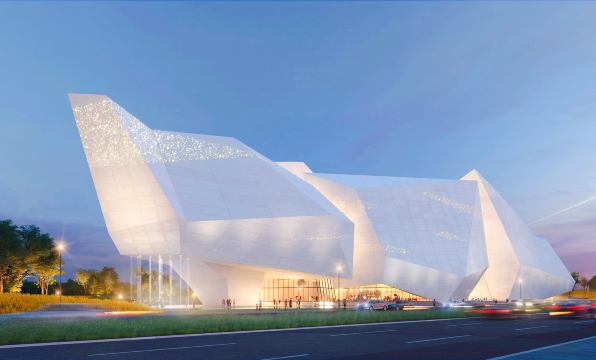
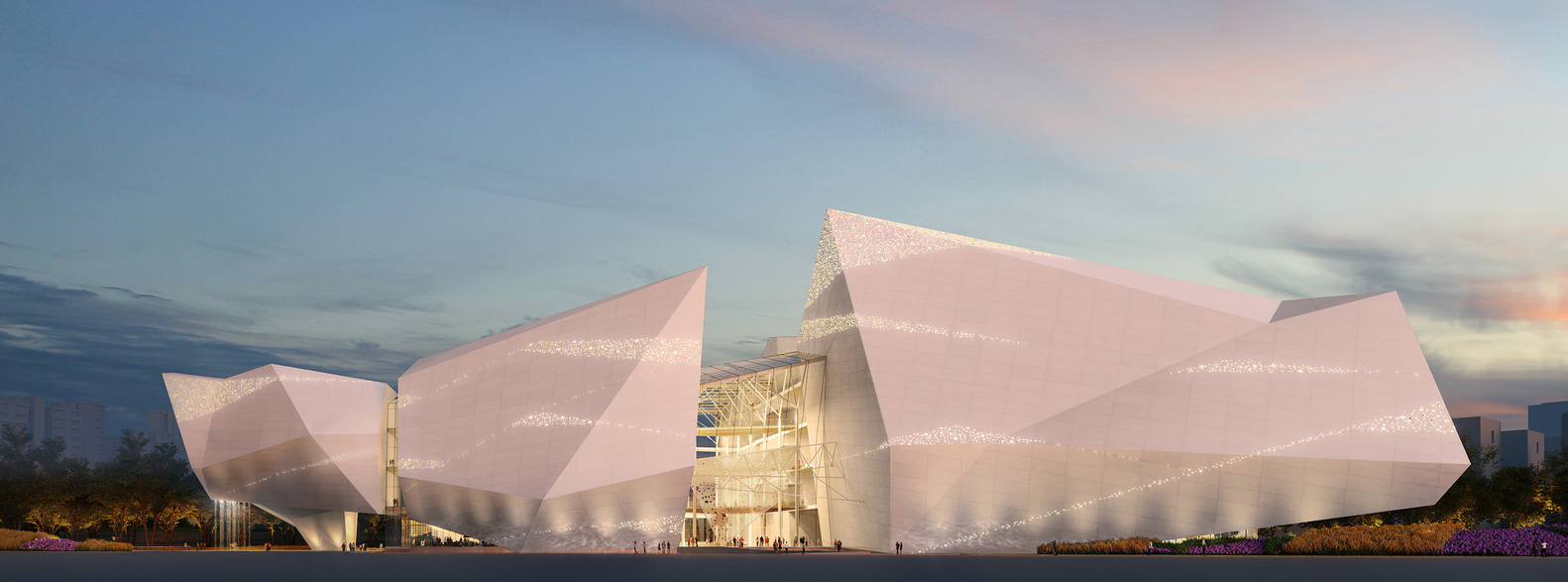
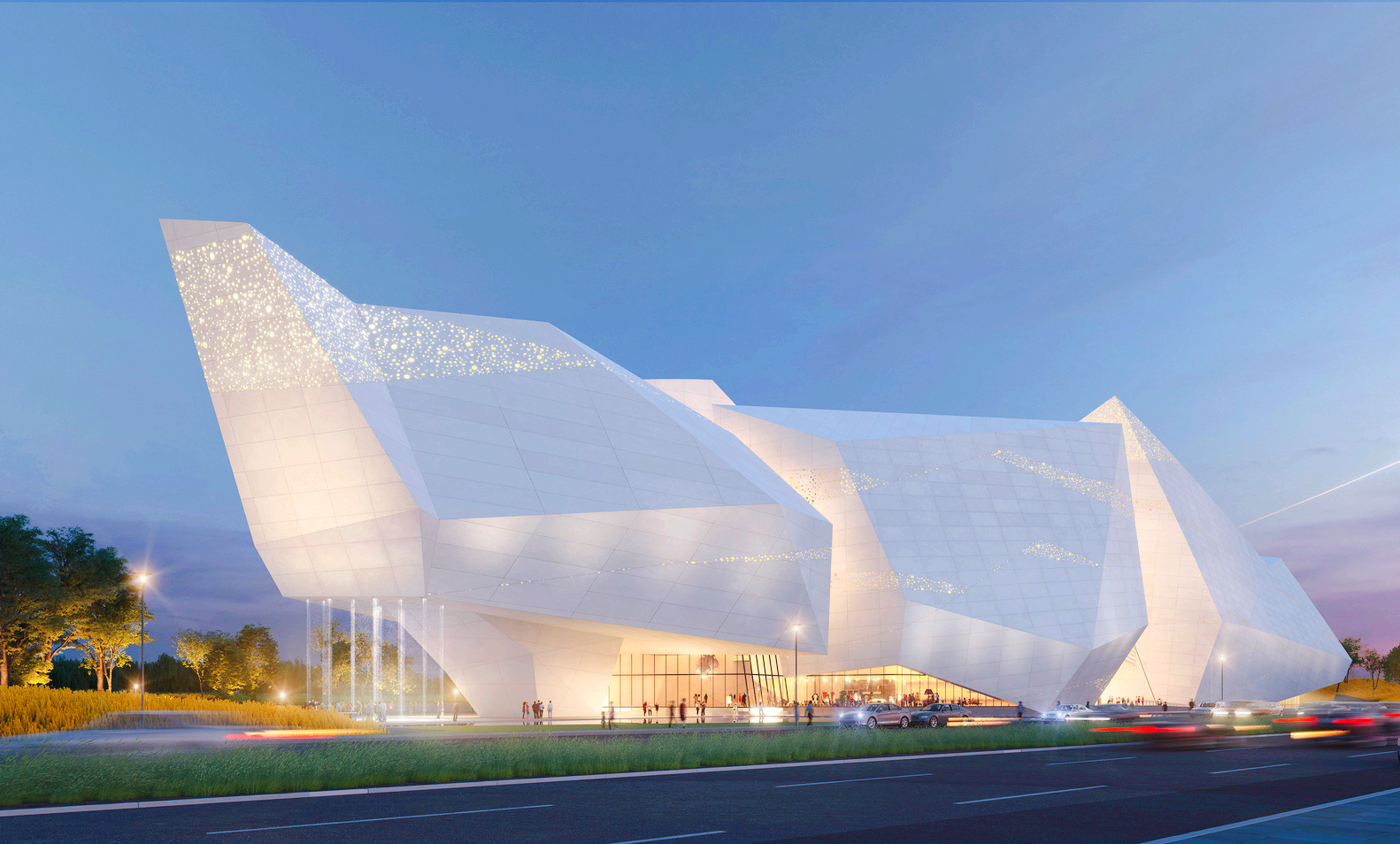
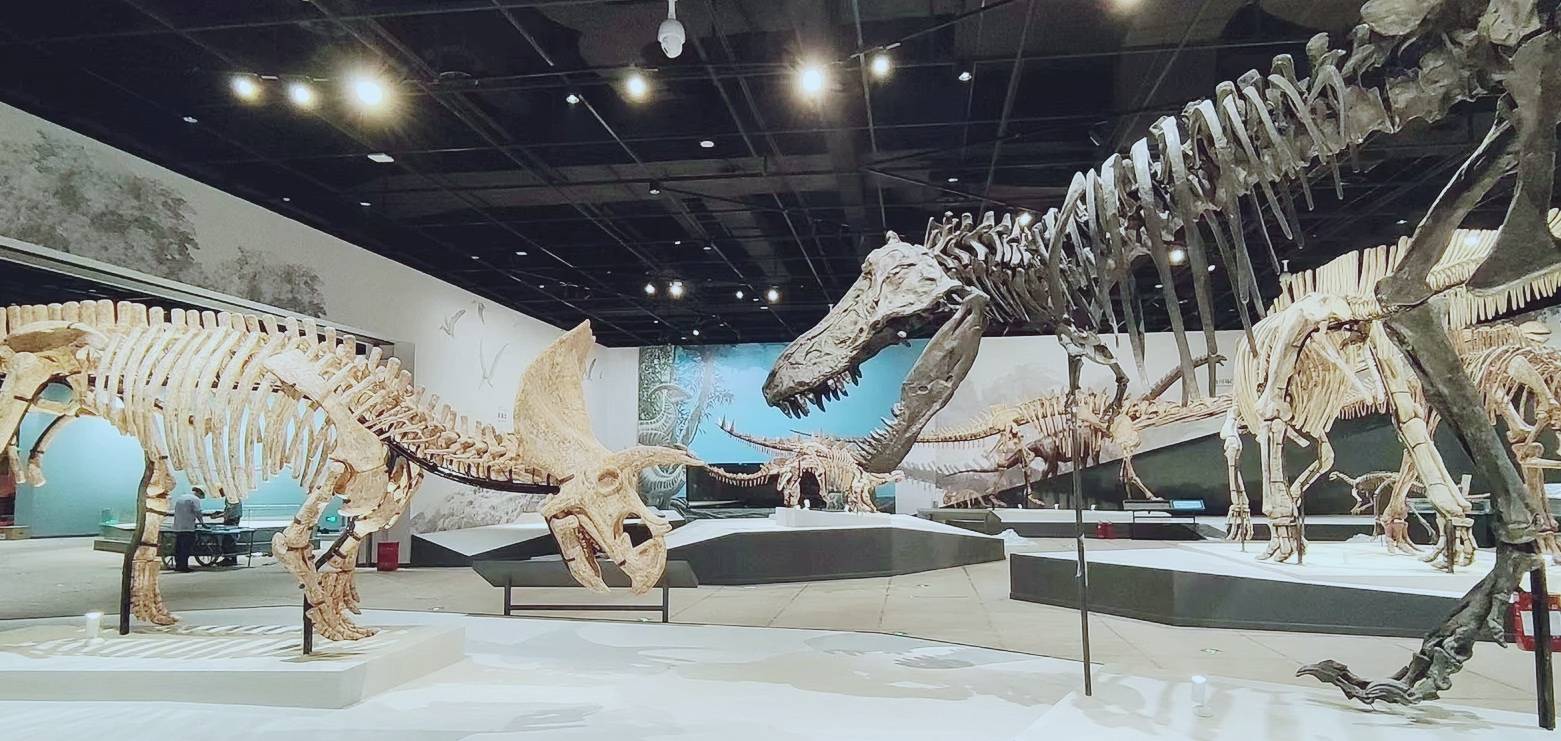
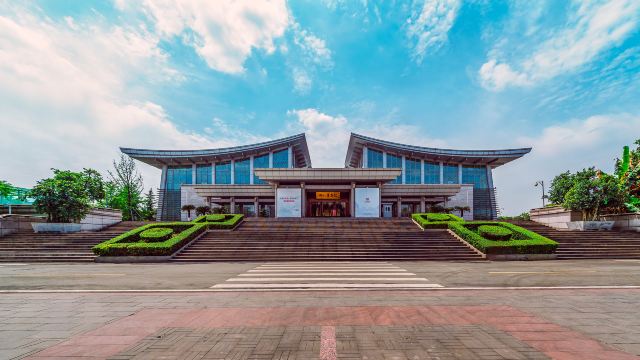
The Chengdu Natural History Museum is a significant venue integrating science, education, and culture, dedicated to showcasing Earth's natural history and biodiversity. With a rich collection spanning paleontological fossils, animal and plant specimens, and mineral exhibits, it vividly recreates the planet's evolutionary journey. Featuring modern exhibition halls with multimedia interactives and immersive experiences, visitors can delve deep into the wonders of nature. The museum serves not only as a vital hub for science education but also as a gateway for the public to explore natural sciences. Its diverse exhibitions and activities attract visitors of all ages, making it an ideal destination to discover nature and spark curiosity. Combining scientific rigor with engaging storytelling, the Chengdu Natural History Museum offers an enlightening cultural journey for every visitor.

Chunxi Road
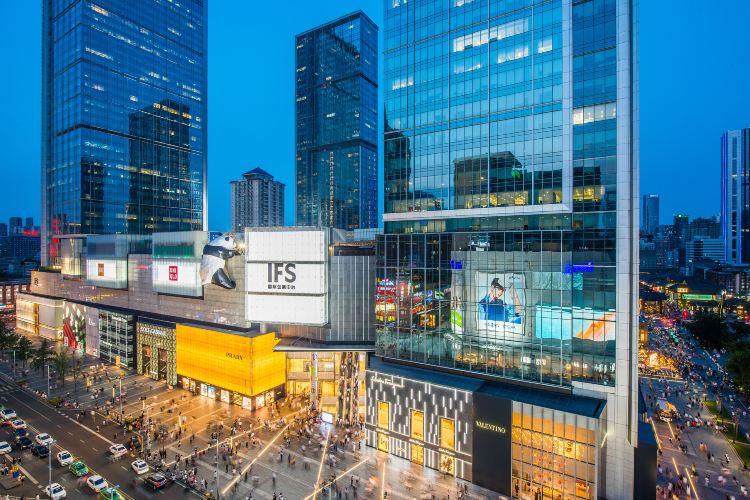
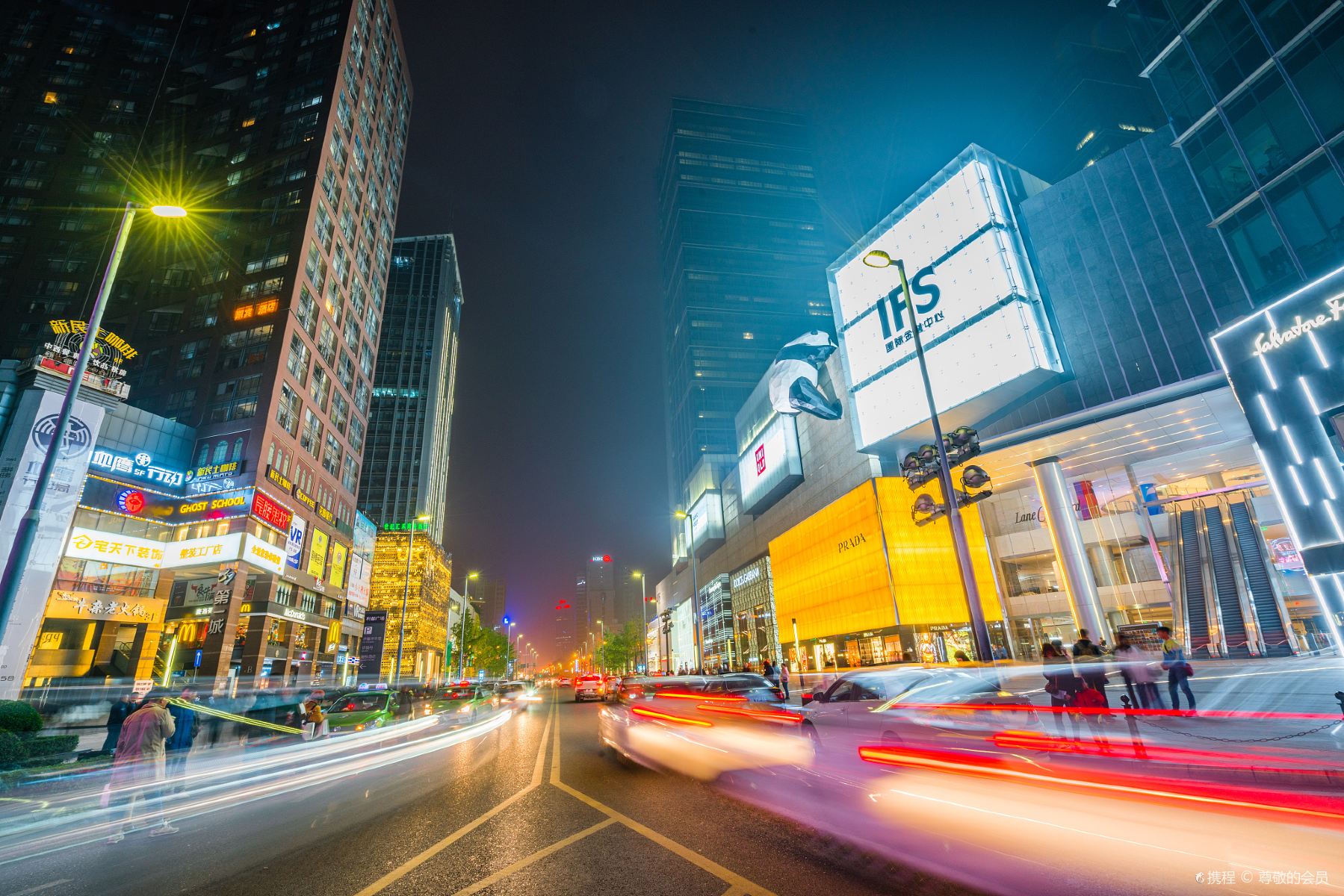
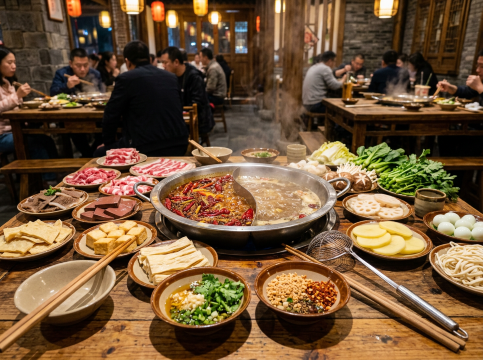
Chunxi Road is the fashion hub of Chengdu and a culinary hotspot. Exploring this iconic commercial pedestrian street and indulging in local delicacies is a must-do when visiting Chengdu.
Chunxi Road is not just a single street, but refers to the area east of Beixin Street, south of Zongfu Road, west of Hongxing Road, north of Dongda Street, as well as Nanxin Street, Zhongxin Street and their surrounding areas. For visitors to Chengdu, missing out on Chunxi Road would be as regrettable as skipping Wangfujing in Beijing or Nanjing Road in Shanghai.
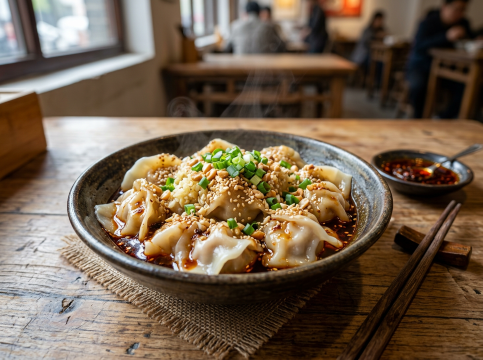
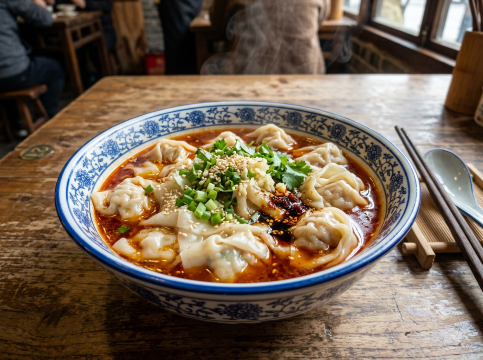
On both sides of Chunxi Road, you'll find a vibrant mix of century-old shops, trendy malls, brand boutiques, and delicious snack stalls. Famous local eateries like Zhong's Dumplings, Lai's Tangyuan, Han's Steamed Buns, and Long's Wonton all have branches here. On weekends, this area also serves as a popular leisure spot for Chengdu residents.
The intersection of Chunxi Road's main street is the famous Zhongshan Square, where the bronze statue of Sun Yat-sen stands. At the northern entrance, there's also a Chengdu folk-custom relief art wall carved from granite, depicting various scenes of Tang Dynasty Chengdu, including temple fairs, flower festivals, lantern festivals, and mulberry picking.
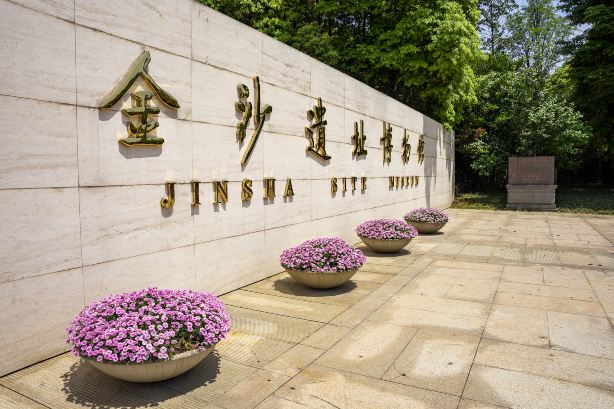

Landmarks & attractions


Chengdu Festivals & Events
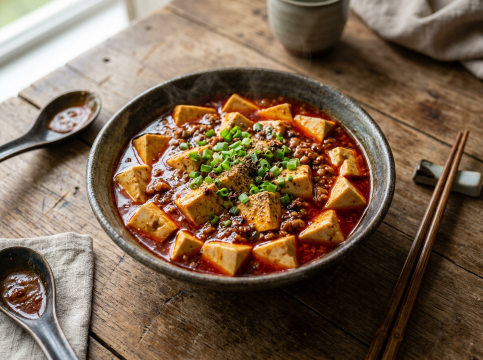
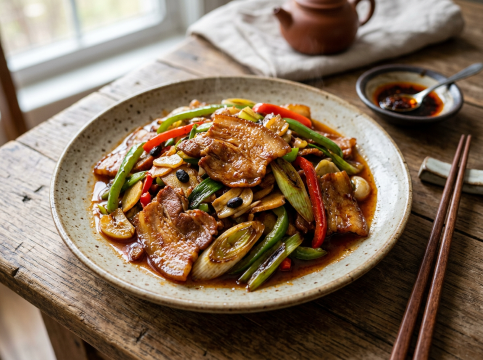
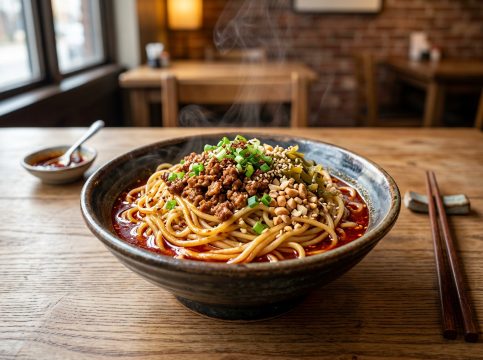
Taste the City
Plan Your Trip
City Transport Guide
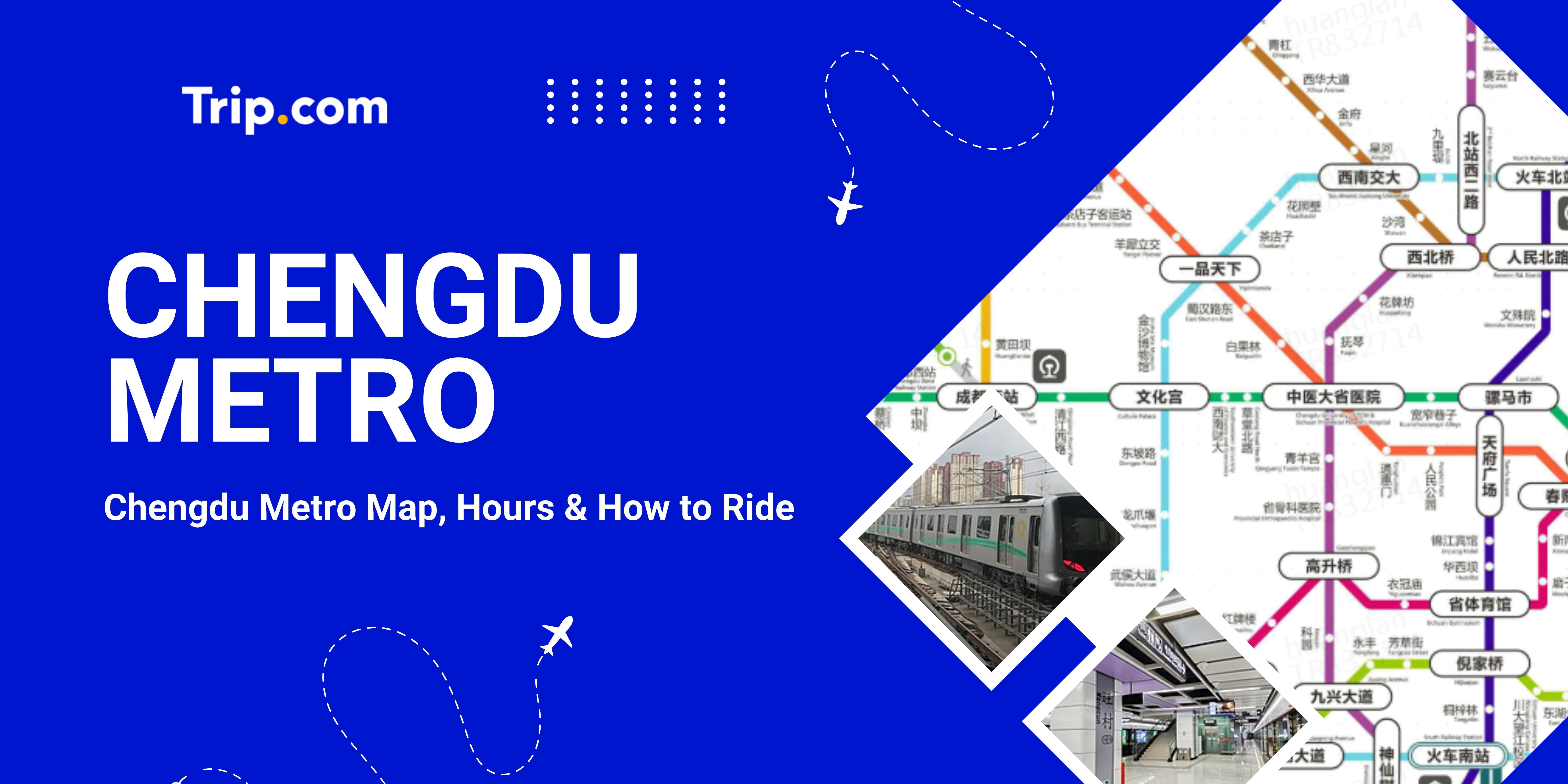
Metro

Explore moreChengdu's rapidly expanding metro network is the easiest way to explore the city, from the bustling Chunxi Road shopping district to the giant panda breeding base. Find route maps, fares, and travel tips
Pro Tips
- Take the metro. It's fast, cheap, and goes to most places you want to visit.
- Stay off the metro and roads between 8 and 9.30 am and 5.30 to 7 pm.
- Pay with Alipay or a transit card. Just scan the QR code. No need to buy a token.
- Use Didi for short trips. Avoid unlicensed taxis.
Metro Map
Recommended Stays
 1
$33
1
$33
Traveling to the hotel is easy with Chengdunan Railway Station located approximately 6km away and Chengdu Shuangliu International Airport roughly 17km away. Being just minutes away from Dongmen Bridge Metro Station allows guests to explore the city with ease. With multiple attractions nearby including Fu Rong Guo Cui Sichuan Opera with Face-changing & Fire-breathing, Chunxi Road and Sichuan Opera Troupe, guests will find plenty to keep themselves occupied.
This hotel makes a great place to kick back and relax after a long day of sightseeing. This Chengdu hotel offers parking on site.
According to our guests, this hotel provides a very high level of service. For guests traveling as a couple, this hotel is consistently one of the most popular choices.
 2
$77
2
$77
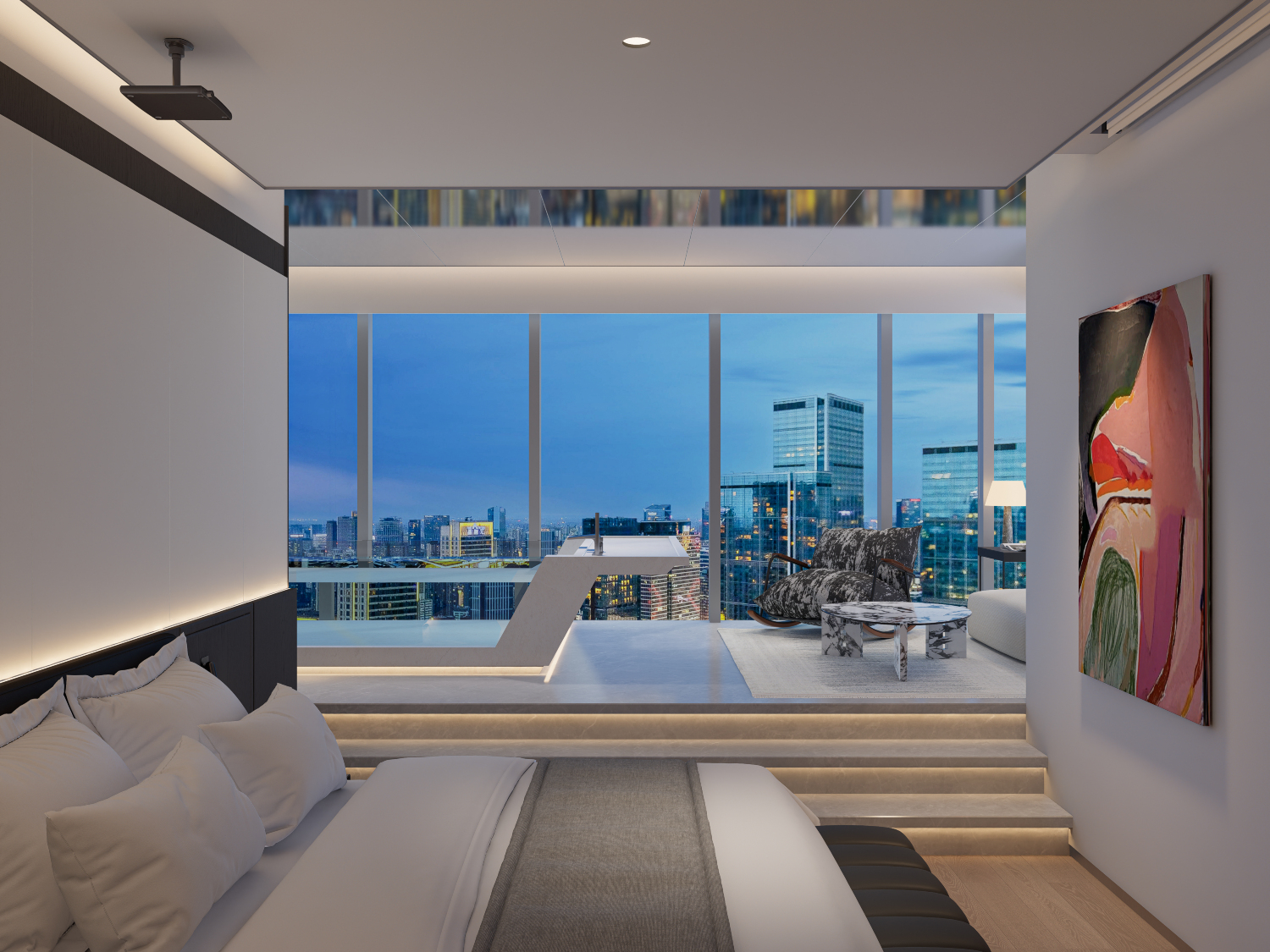
SEYA Panoramic Hotel - Chengdu Tianfu Square, Chunxi Road is located above Tianfu Square, offering stunning views from 200 meters above the city. Floor-to-ceiling windows overlook Tianfu Square, making the hotel an exceptional spot to enjoy Chengdu’s city sunset. Each guest room is equipped with an oversized window-side soaking tub.
To ensure a restful stay, the hotel features double-layer hollow soundproof walls. As one of the “Top 100 Mid-to-High-End Hotel Brands in China” selected by Meadin Research Institute, SEYA Hotel also maintains strict hygiene and security standards to provide guests with a safe and worry-free experience.
【Location】
SEYA Panoramic Hotel - Chengdu Tianfu Square, Chunxi Road enjoys a prime location in the very heart of Chengdu. Guests can access Tianfu Square Station on Metro Lines 1 and 2 just downstairs. Taikoo Li, Chunxi Road, and Kuanzhai Alley are only one metro stop away.
【Featured Facilities & Services】
Panoramic Window-Side Bathtub Rooms — Selected room types feature an oversized bathtub by the window, allowing guests to soak while overlooking Tianfu Square and the magnificent city skyline.
24-Hour Butler-Style Service — Attentive service is available around the clock, including food delivery pickup, parcel collection and storage, and more.
Free Laundry and Drying Service — Washing, drying, and folding are carefully handled throughout the process, so you can travel light without worrying about wet clothes or waiting.
Museum-Inspired Public Areas — Designed by a renowned design team, the hotel lobby offers stylish photo spots from every angle, perfect for magazine-cover-worthy shots.
Breakfast Served Until 12:00 PM — Ideal for late risers, allowing you to wake up naturally and enjoy a more relaxed travel schedule.
Dual Shower System with Handheld Shower and Rain Shower — Enjoy a refreshing bathing experience with the freedom to switch between a handheld shower and an overhead rain shower.
Daily Bathtub Disinfection — Professional daily cleaning and disinfection are strictly carried out, ensuring complete peace of mind during every relaxing soak.
Managed by SEYA Hotel Group — The hotel follows strict 6S hygiene standards and conducts regular anti-hidden-camera inspections to ensure a high-quality stay in every detail.
【Transportation Guide】
Airport: Approximately 35 minutes by car from Chengdu Shuangliu International Airport; approximately 60 minutes by car from Chengdu Tianfu International Airport.
High-Speed Railway: Approximately 30 minutes by car from Chengdu East Railway Station; approximately 20 minutes by car from Chengdu South Railway Station.
【Nearby Attractions】
Taikoo Li & IFS — Iconic fashion landmarks in Chengdu, combining shopping, exhibitions, dining, and trendy lifestyle experiences.
Tianfu Square — The central city square, with museums and the science and technology museum nearby for a one-stop cultural visit.
People’s Park — Experience the laid-back lifestyle of western Sichuan, with a pot of tea, a bamboo chair, and the charm of slow-paced local life.
Kuanzhai Alley & Jinli Ancient Street — Step into the architectural memories of old Chengdu and enjoy authentic Sichuan flavors among grey bricks and traditional tiled roofs.
Chengdu Research Base of Giant Panda Breeding — One of Chengdu’s most popular attractions and the perfect place to visit the beloved giant pandas.
 3
$39
3
$39
 4
$28
4
$28
 5
$72
5
$72
 6
$54
6
$54
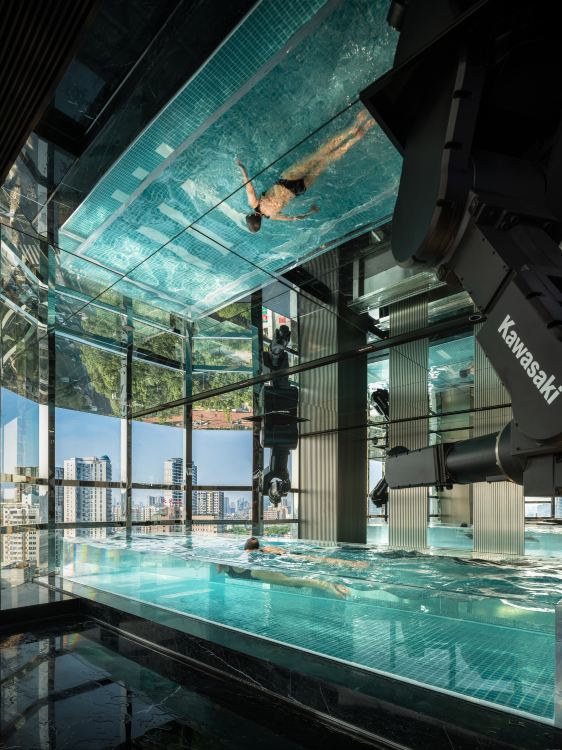
[Landscape pool + mechanical arm] Lobby large landscape pool, mechanical arm, light luxury modern design, one key out of the film
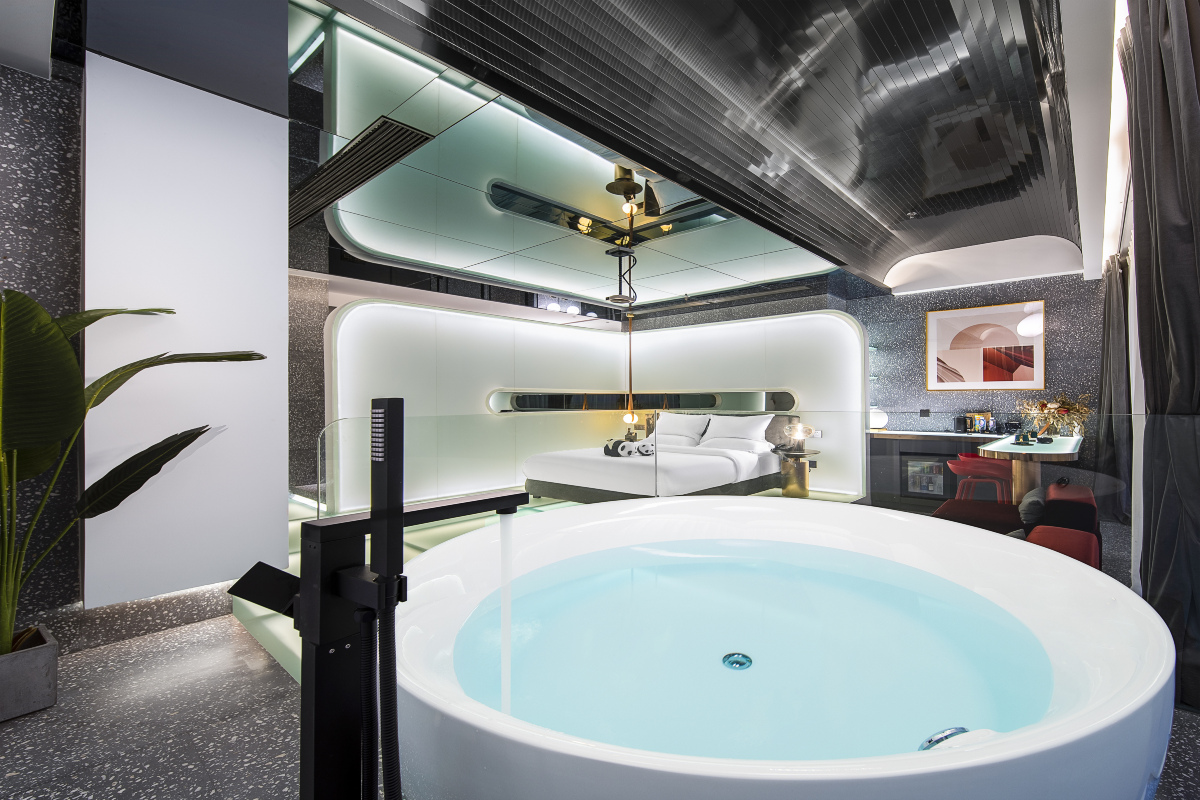
[Floating View] All rooms in the hotel are full of floor-to-ceiling windows and equipped with a window bathtub, which can overlook the panoramic view of Chengdu.
[Super sound insulation + 24 hours of fresh air] [Simmons high set mattress + imported bedding] a change, help you have a golden sleep;
[Marshall sound + 65 inch big screen], Bluetooth one key to connect to mobile phones, the hotel is full of smart equipment;
[Butler Service] The hotel has been using one-to-one butler service, from check-in to check-out, there are butler full service, to provide you with full consultation and intimate service;
 7
$60
7
$60
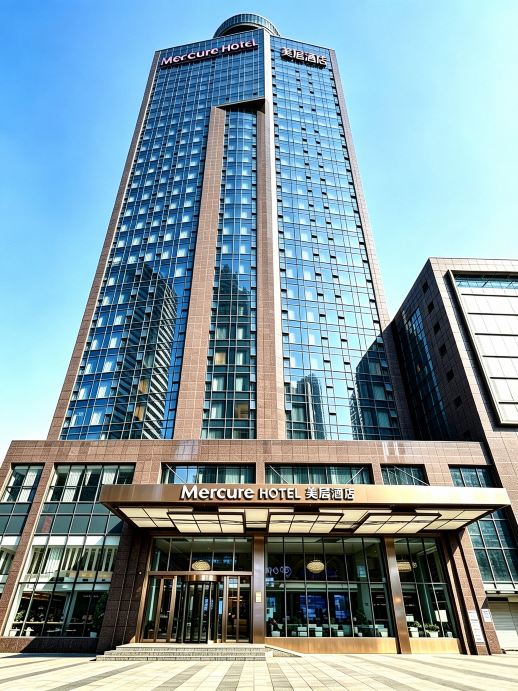
Welcome to the Mercure Chengdu Chunxi Road Taikoo Li, where your journey becomes an artful blend of French elegance and Sichuan charm. As a distinguished member of the global Accor Group, we invite you to experience a stay that is as culturally rich as it is comfortably refined.
【Prime Location, Seamless Connectivity】
Ideally situated on Zongfu Road, the city's golden artery, our hotel offers unparalleled access to Chengdu's vibrant pulse. You are just a 10-minute stroll from the Chunxi Road and Tianfu Square metro stations, placing the entire city within easy reach. Whether for business or leisure, our location ensures a seamless connection to Chengdu's dynamic energy.
【Immersed in Culture and Commerce】
Step out of the hotel, and you are immediately at the heart of the action. The renowned Chunxi Road and Taikoo Li shopping districts are a mere 3 to 5 minutes away on foot. For those seeking cultural enrichment, the Chengdu Museum, Library, and Art Gallery are all within a 10-minute walk. The city's most iconic attractions, from the historic Jinli Street and Wuhou Temple to the serene People's Park, are all conveniently close, inviting you to explore the authentic soul of Chengdu.
【A Sanctuary of French Elegance】
Rising with a renewed spirit within the prestigious Shudu Mansion, our hotel presents a unique and sophisticated ambiance. We have thoughtfully blended the art of French living with local character to create a tranquil retreat. After a day of exploration, let the signature Mercure scent soothe your senses, transporting you to a world of romantic and effortless charm.
【Thoughtful Amenities for a Superior Stay】
Our 300-plus spacious and bright guest rooms are designed for modern comfort, each featuring complimentary Wi-Fi, a flat-screen TV, a minibar, and a personal safe. For an elevated experience, our Privilege Rooms offer a curated selection of premium amenities, including a Bluetooth speaker, a Nespresso machine, a complimentary minibar, and a bespoke robe. Every detail is crafted to ensure your stay is not just comfortable, but truly memorable.
 8
$46
8
$46
 9
$20
9
$20
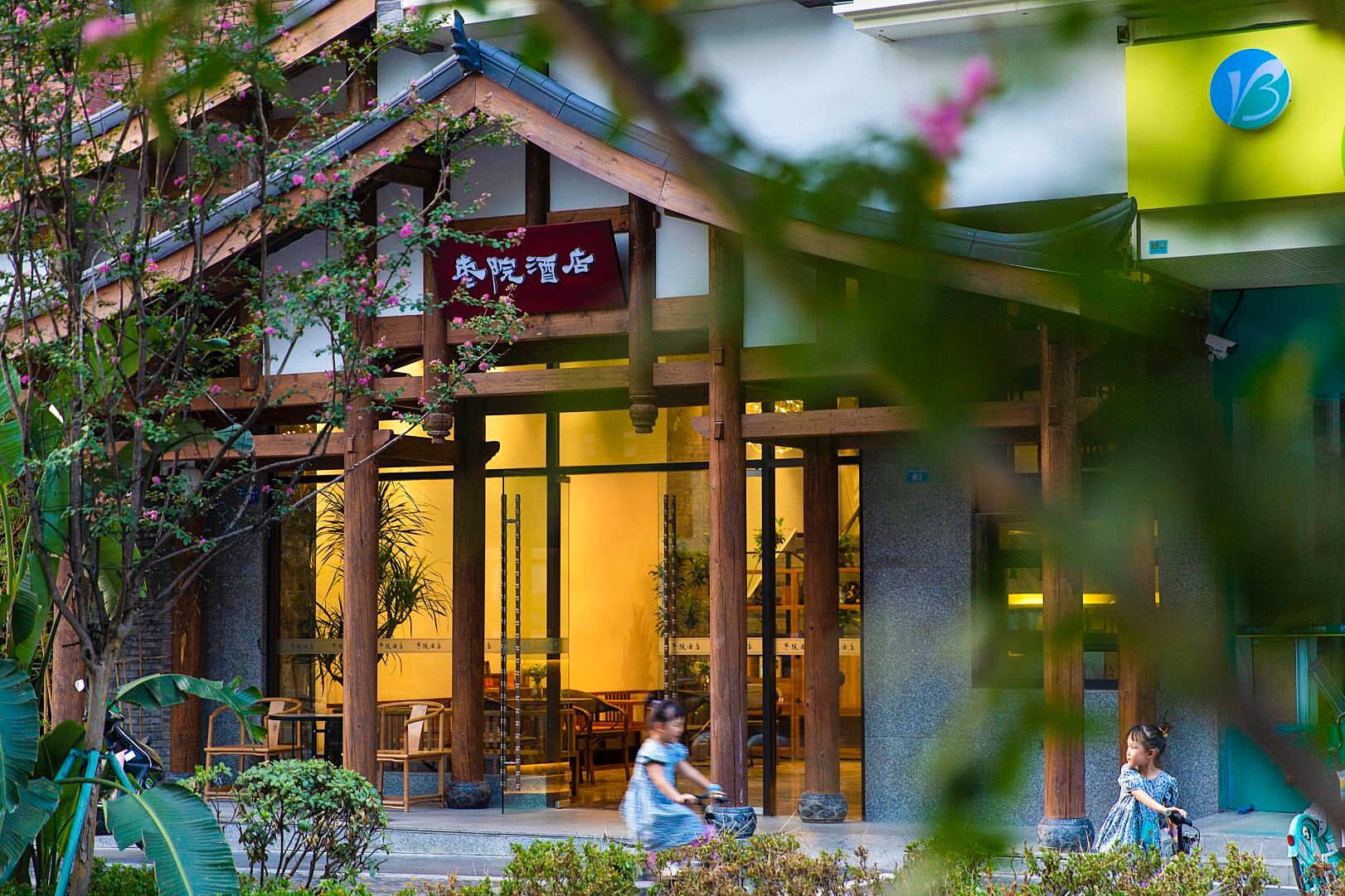
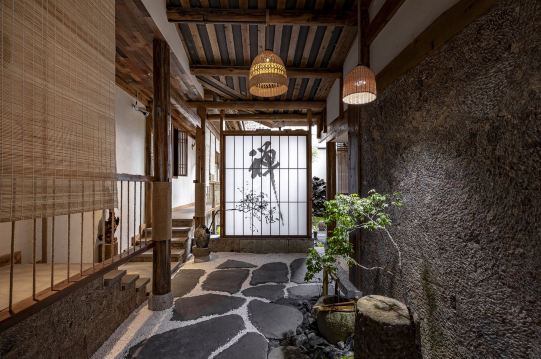
Cultural Landmarks: 15-minute drive to Du Fu Thatched Cottage and Jinsha Site Museum.
Located in Zaozixiang Alley: a locally-certified "hidden gem" for authentic snacks.
It will take 8 minutes to Taikoo Li business district, 12 minutes to Chengdu North Railway Station.
Guided by our service philosophy: Welcome guests as warmly as jujube red, soothe hearts as peacefully as courtyard serenity. We invite you to experience: A living exhibition of Chengdu's culture, a heartfelt journey through Sichuan's lifestyle.
 10
$49
10
$49
 11
$45
11
$45
 12
$26
12
$26
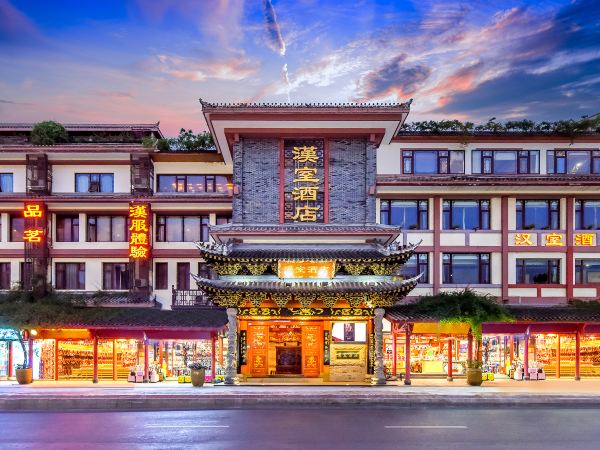
Unique Experience & Cultural Theme
· Core Feature: Antique Beds
The hotel's standout feature is its collection of exquisite antique beds from the middle and lower reaches of the Yangtze River. Professionally restored and displayed in guest rooms, these beds blend profound historical charm with modern hospitality.
· Immersive Han Culture Experience
The hotel offers complimentary professional Hanfu try-on experiences (with makeup and styling services available for a fee) and a dedicated photo area. Additionally, Han culture guides at the front desk provide themed introductions to help guests quickly immerse themselves in the classical ambiance.
· Overall Design & Atmosphere
From the antique-inspired decor in the lobby and classically poetry-named rooms to the calligraphy, paintings, and antiques displayed in the corridors, the design consistently reflects a strong Han aesthetic, with every detail highlighting cultural depth.
Prime Location & Transportation Convenience
The hotel is situated in a prime area for Chengdu tourism,offering exceptional convenience for visiting major attractions and using public transport.
1. Adjacent to Core Attractions (Within Walking Distance)
· Wuhou Temple & Jinli Ancient Street: The hotel is just a street away from the "Sacred Site of the Three Kingdoms"—Wuhou Temple—and the famous Jinli Ancient Street, only a 3–5 minute walk away. Guest reviews frequently praise its "exceptionally good location" for accessing these two spots.
· Shuadu Food City: Approximately 250 meters away, where you can easily sample various Sichuan cuisine.
· Kuanzhai Alley: 3.2 km away, about a 16-minute taxi ride or 30 minutes by the Jincheng Sightseeing Bus.
· Chunxi Road: 4 km away, about a 14-minute taxi ride or 30 minutes by metro.
· People's Park: 1.4 km away, about a 12-minute taxi ride or an 8-minute bicycle ride.
2. Convenient Public Transportation Network
· Metro Access: The hotel entrance is right at Exit C of Gaoshengqiao Station on Metro Line 10. Taking Line 10 provides direct access to Chengdu Shuangliu International Airport and easy travel to various city areas.
· Airport & Railway Stations: From Chengdu Shuangliu International Airport, take Metro Line 10 directly to the hotel entrance. With simple metro transfers, it is also convenient to reach Chengdu East Railway Station and South Railway Station.
· Tourist Shuttle Buses: About 200 meters left from the hotel entrance is the Wuhou Temple scenic area shuttle departure point, offering routes to the Panda Base, Sanxingdui, Dujiangyan, and Qingchengshan for convenient day trips.
Summary of Main Services & Facilities
For a quick overview,here are the hotel's core services and facilities:
· Room Features: Equipped with antique beds, disposable toilet seat covers, latex mattresses, air purification devices, etc.
· Dining Services: Chinese buffet breakfast is served. The fourth floor has a multifunctional hall for dining and tea tasting.
· Convenience Facilities: Complimentary Wi-Fi, parking, self-service laundry, 24-hour front desk service, etc.
· Attentive Services: Based on genuine guest feedback, the hotel often provides thoughtful amenities such as evening congee and welcome fruit.
 13
$47
13
$47
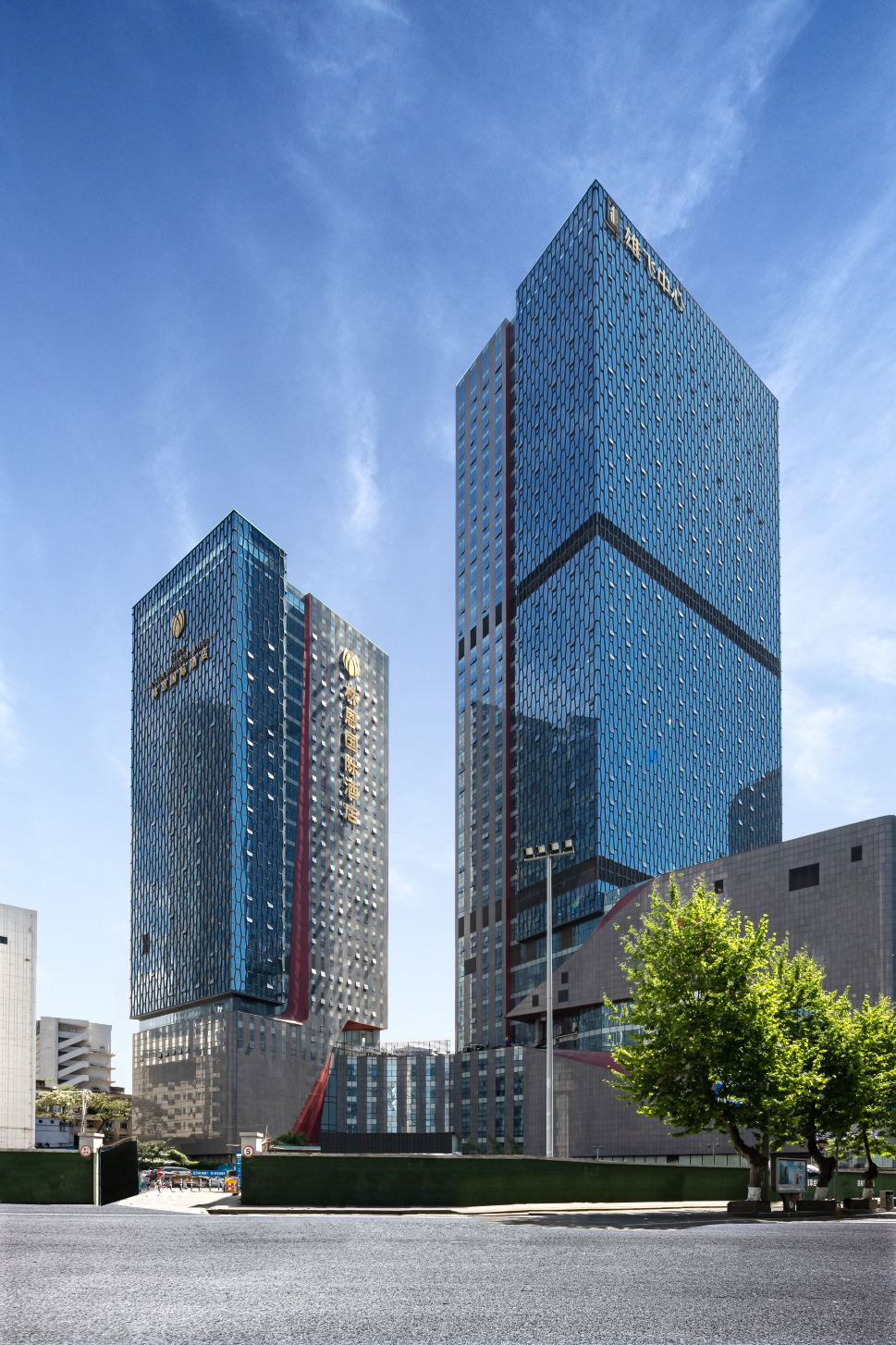
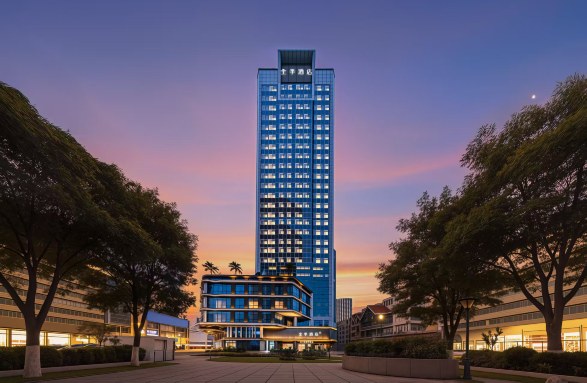
Boasting a convenient location, the hotel is just 7km from Chengdudong Railway Station and 18km from Chengdu Shuangliu International Airport. Transportation around the city is also convenient, with Taisheng South Road Metro Station within walking distance. With multiple attractions nearby including Huangcheng Mosque, Gawan Liyuan Tea House (Chuan Opera Changing Face Theater) and Sichuan Science and Technology Museum, guests will find plenty to keep themselves occupied.
When guests have some time on their hands they can make use of the onsite facilities. Guests of this Chengdu hotel can make use of the parking facilities.
According to our guests, this hotel provides a very high level of service. This hotel is particularly popular with those traveling with families.
 14
$58
14
$58
 15
$40
15
$40
 16
$68
16
$68
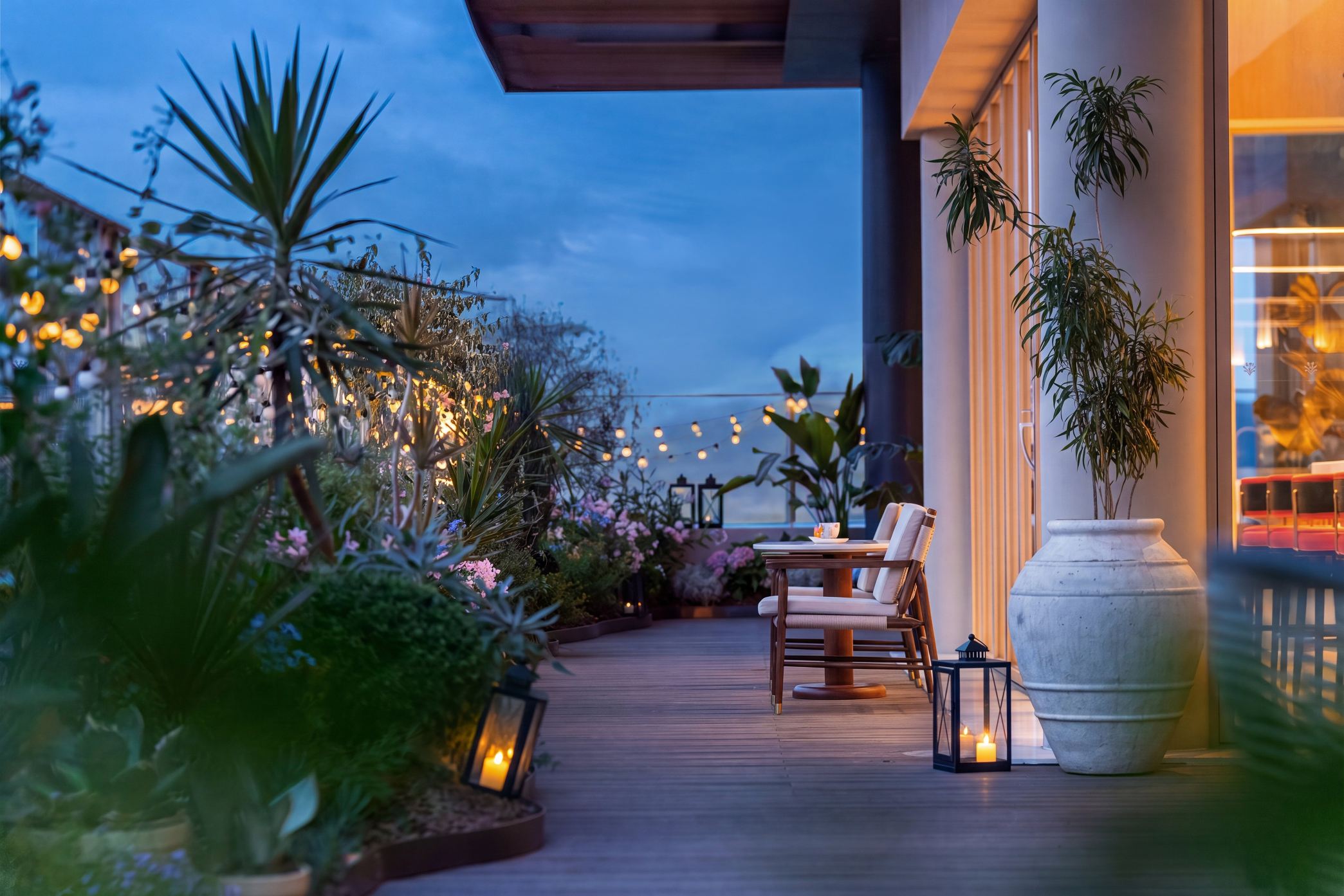
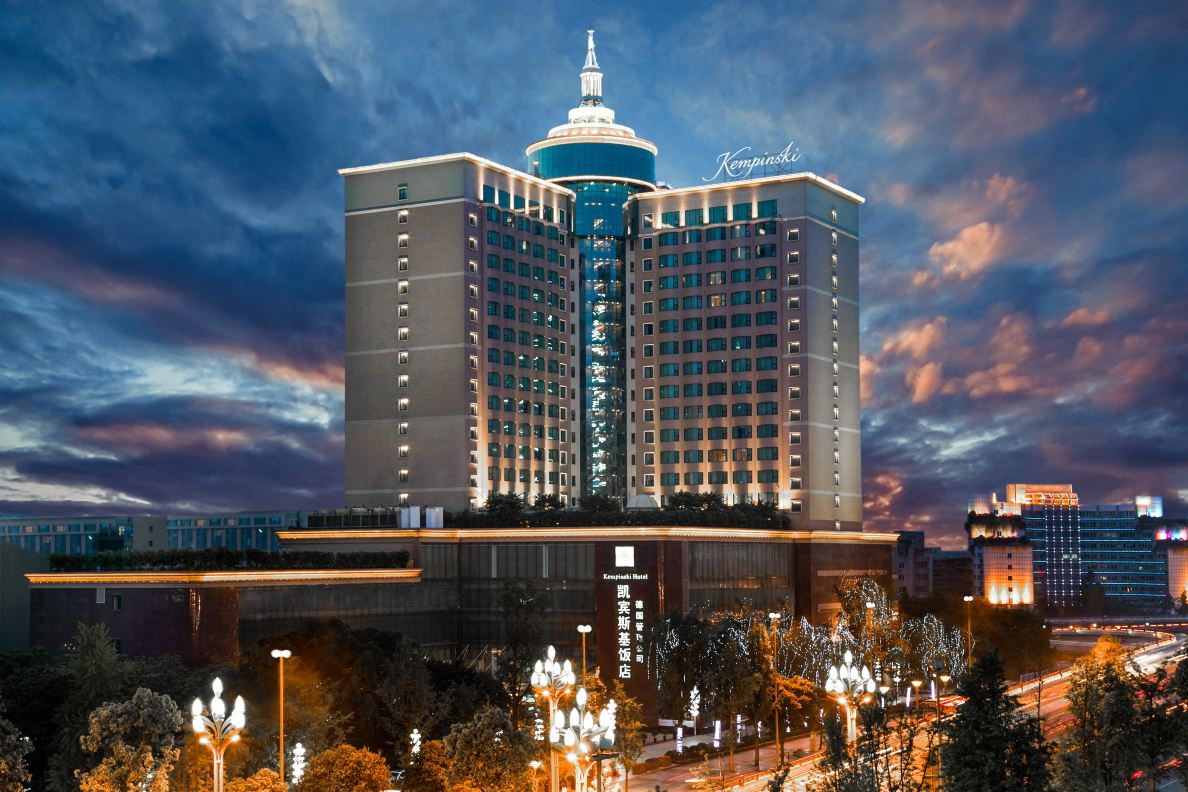
Boasting a convenient location, the hotel is just 3km from Chengdunan Railway Station and 14km from Chengdu Shuangliu International Airport. The closest major public transportation, Tongzilin Metro Station, is only 400m away. There is no shortage of things to see in the area, with the Sichuan Provincial Gymnasium, Jimmy Picture Book VR Theater: "My World Is All You" VR Drama Experience and Yulin West Road all nearby.
After a long day of sightseeing, guests can retire to the comfort of the hotel. Guests of this Chengdu hotel can make use of the parking facilities.
If you demand a high level of service, our guests have indicated that this hotel has excellent standards. This hotel is particularly popular with those traveling on business.
 17
$19
17
$19
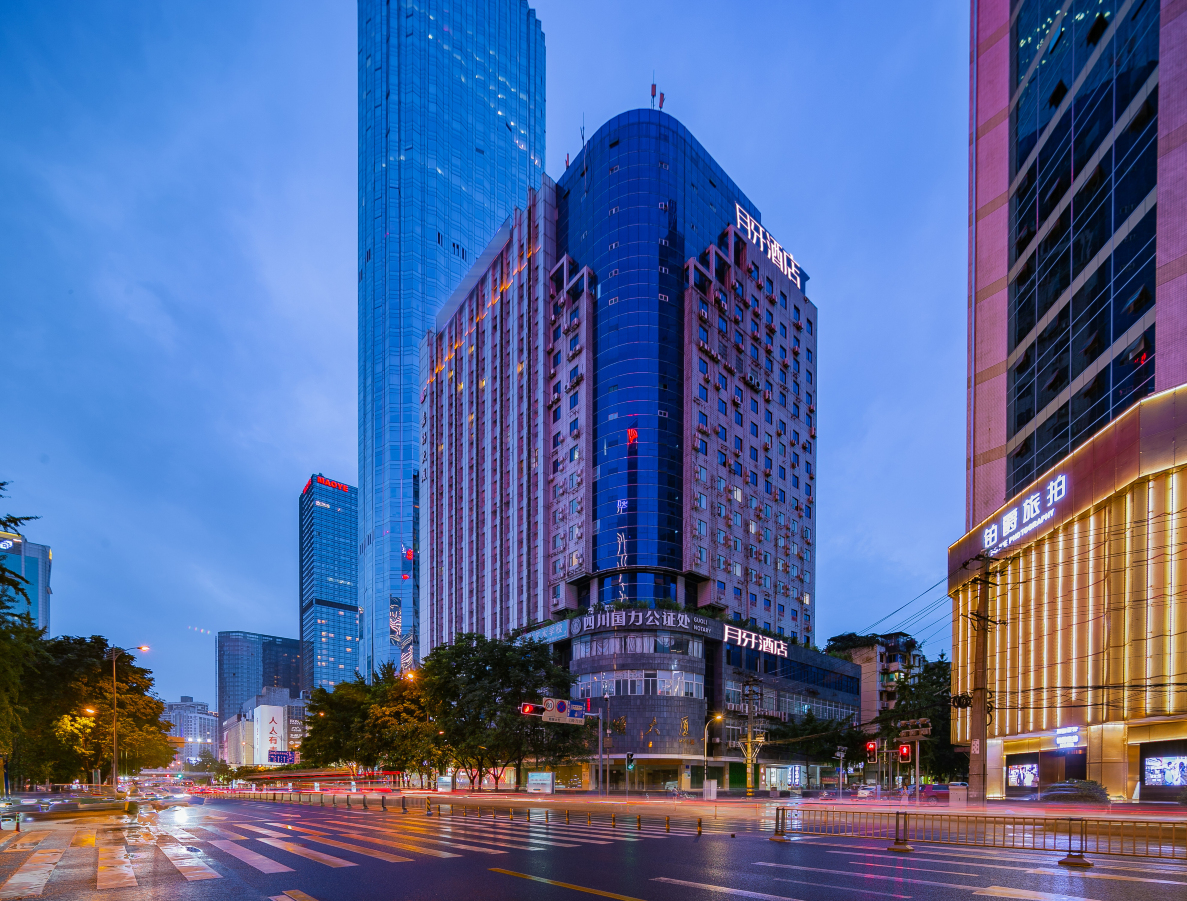
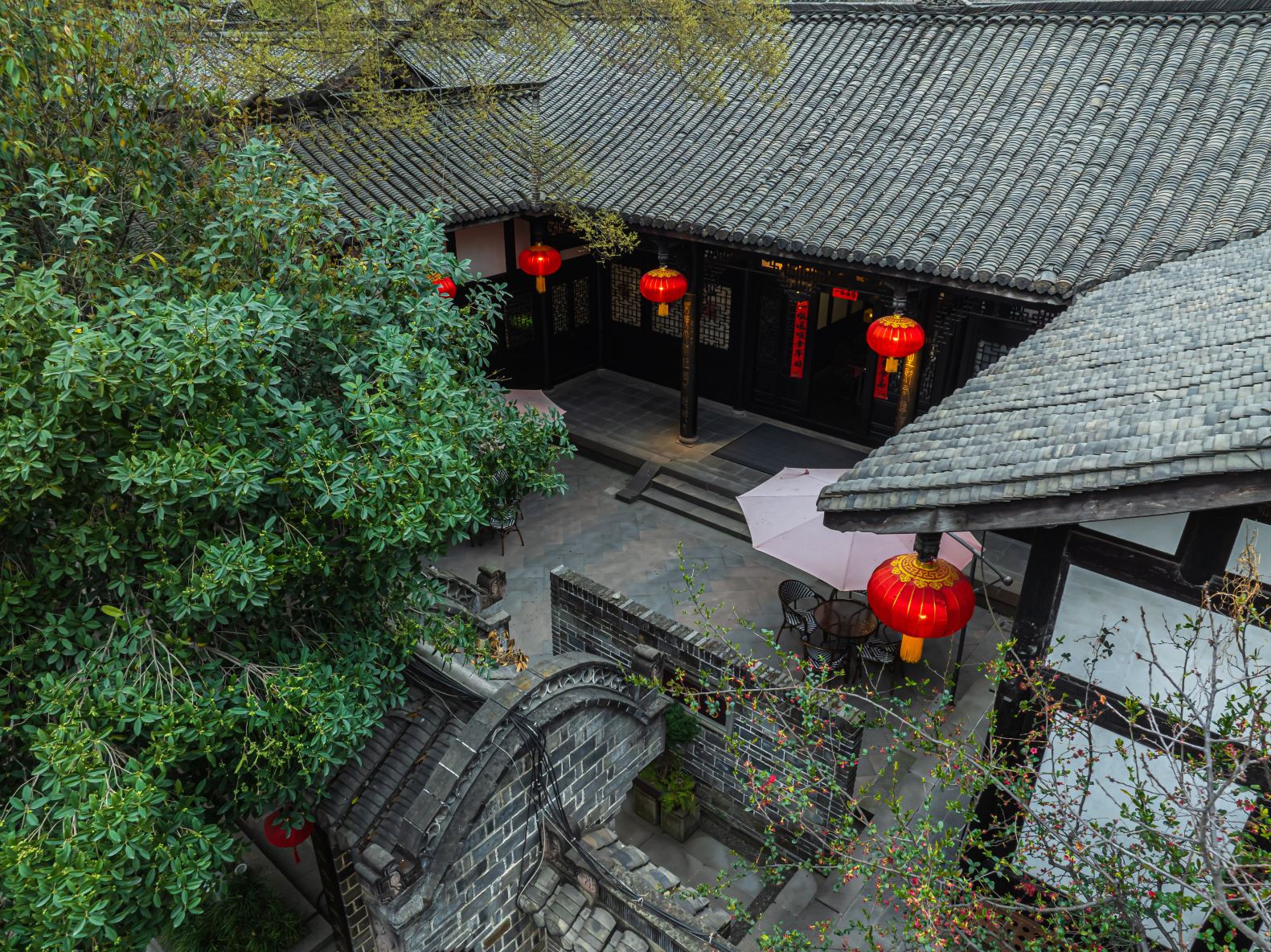
The hotel boasts exceptional transportation convenience. It is merely 400 meters from East Exit 1 of Tianfu Square Metro Station, a 5-minute walk away. With seamless transfers available on Metro Line 1 and Line 2, guests can easily reach major transportation hubs such as Chengdu Shuangliu International Airport, Chengdu East Railway Station and Chengdu South Railway Station. It also offers easy access to well-known scenic spots including Kuanzhai Alleys, Jinli Ancient Street and People's Park. Chunxi Road and Taikoo Li are within walking distance, where the area is lined with numerous snack bars and shopping malls, providing a one-stop experience for dining, entertainment, leisure and shopping.
As a family-friendly hotel, it features specially designed family-themed rooms with panda-themed fun spaces and is equipped with thoughtful amenities like children's exclusive toiletries, striking a perfect balance between comfort and fun for family trips. Meanwhile, the hotel has a comprehensive range of basic facilities, including free parking, a self-service laundry room and free luggage storage.
The hotel serves a rich buffet breakfast with more than 50 varieties, combining balanced nutrition and delicious flavors to kick off guests' energetic trips in Chengdu. It also provides free luggage storage and other value-added services for guests' convenience.
 18
$85
18
$85
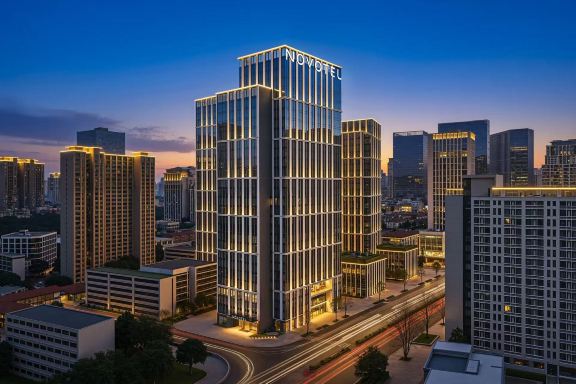
With Chengdudong Railway Station just 9km away and Chengdu Shuangliu International Airport only 19km away, transportation is very convenient. Transportation around the city is also convenient, with Wenshu Monastery Metro Station within walking distance. The nearby area boasts an abundance of attractions including Liyuan Guild Hall-Chuan Opera Changing Face (wenshuyuan store), Gawan Liyuan Tea House (Chuan Opera Changing Face Theater) and Chunxi Road.
In their spare time, guests can explore the hotel's surroundings. Guests of this Chengdu hotel can make use of the parking facilities.
According to our guests, this hotel provides a very high level of service. This hotel is particularly popular with those traveling with families.
 19
$62
19
$62
 20
$107
20
$107
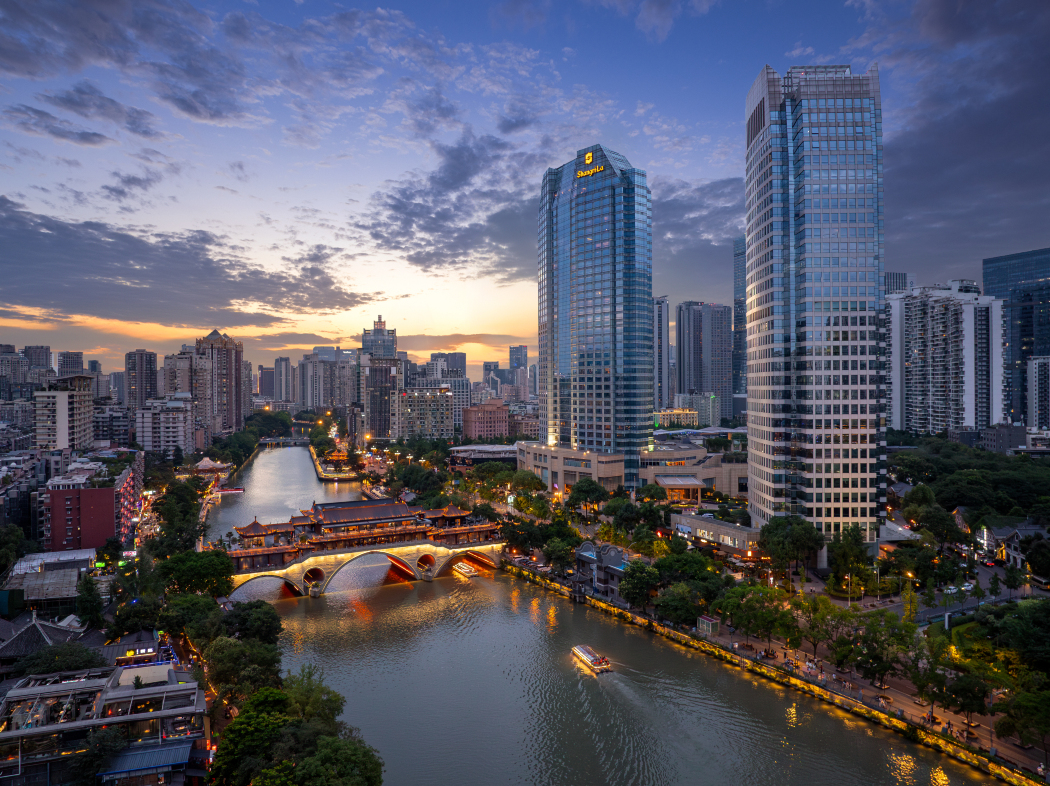
Boasting a convenient location, the hotel is just 6km from Chengdunan Railway Station and 18km from Chengdu Shuangliu International Airport. Transportation around the city is also convenient, with Dongmen Bridge Metro Station within walking distance. This hotel is located near many of Chengdu's attractions including Chunxi Theater, Daci Temple and Sichuan Meihua Opera House (Taikoo Li Branch).
When guests have some time on their hands they can make use of the onsite facilities. This Chengdu hotel provides parking on site.
If cleanliness is important to you, this hotel makes an excellent choice, as our guests consider this to be one of the cleanest hotels in the city. This hotel is particularly popular with those traveling with families.
Recommended activities

Popular articles





Travel essentials
Pro Tips
- Take the metro. It's fast, cheap, and covers pandas, temple, and city center. Forget taxis during rush hour.
- Buy a Tianfu Tong card or use Alipay transit code. Tap and go. No paper tickets.
- Skip the queue at the big hotpot chains. Walk into any small shop with people inside. That's the real deal.
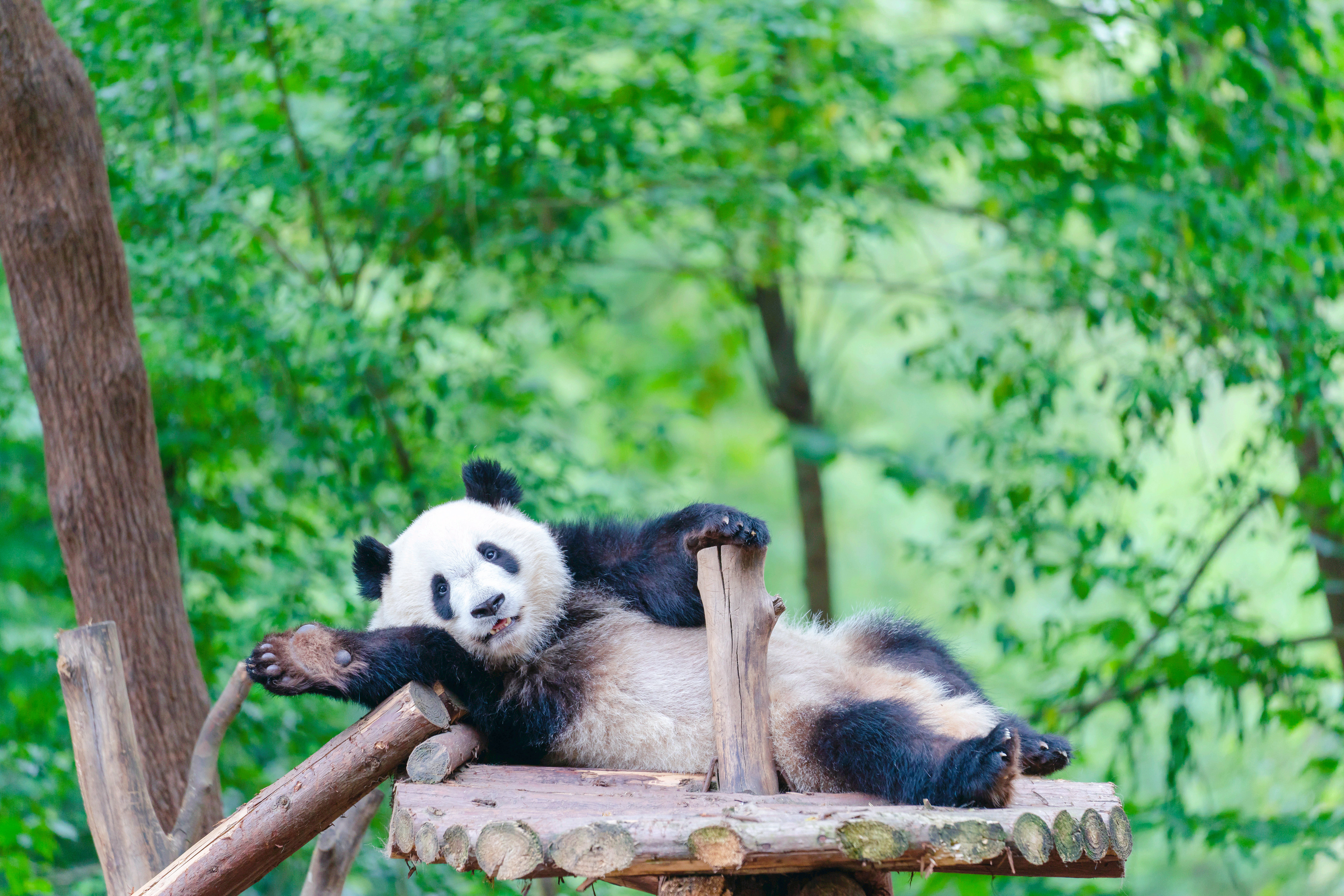
- Go to the Panda Base before 8 am. Pandas eat and play in the morning. After 10 they mostly sleep.
- Avoid Kuanzhai Alley on weekends. Too crowded. Walk the backstreets around People's Park for a quieter vibe.
- Use Alipay or WeChat Pay for everything. Street food stalls, bike rentals, even some restrooms. Cash is a hassle.